Creating a Sober Toolbox to Stay Alcohol-Free
Staying sober is a journey, not a single decision. Anyone who’s ever tried to quit drinking knows that triggers pop up when you least expect them. Stressful workdays, social gatherings, or even just a lonely night at home can be difficult moments. That’s where having a “sober toolbox” can be a total game changer. It’s not a literal box (unless you want it to be), but rather a set of resources, tools, and strategies that help you stay on track—especially when the temptation to drink hits hard.
What is a Sober Toolbox?
Think of a sober toolbox as your personal safety kit. Just like you keep a flashlight and first-aid kit for emergencies, your sober toolbox contains things—physical or mental—that help you manage cravings, boost your mood, or shift your focus. It’s your go-to list of healthy alternatives and supportive habits that reinforce your commitment to sobriety. Everyone’s toolbox will look different, but the key is to fill it with items and ideas that actually work for you.
Emotional Tools: Your Mental Lifeline
Sometimes it’s not the alcohol you miss—it’s the emotional escape it provided. That’s why your sober toolbox needs to include tools for emotional regulation. Journaling is a powerful way to sort through tough feelings, especially when you’re anxious or triggered. Writing things down helps release the pressure building up inside. Meditation apps, breathing exercises, or simply walking away from a stressful situation can work wonders too. Having a mantra or affirmation to repeat during hard times—something like “I don’t need alcohol to feel better”—can help recenter your mindset.
Distraction Tools: Keep Your Mind Busy
When you’re trying to resist a craving, boredom is your enemy. That’s why distraction tools are a must. These can include a favorite book, a go-to playlist, a creative hobby, or even a TV show you’re obsessed with. The idea is to shift your brain’s focus from “I want a drink” to something that genuinely interests you. Try building a list of “quick distractions”—small tasks or fun things that only take five to ten minutes. It could be folding laundry, calling a friend, or trying out a new recipe. These small shifts add up.
Physical Tools: Move the Body, Change the Mood
The connection between movement and mental health is undeniable. Your sober toolbox should include activities that get your body moving—anything from yoga and walking to more intense workouts. Physical movement helps release endorphins, those feel-good chemicals that act as natural stress-relievers. Exercise also gives structure to your day, which is helpful if you’re rebuilding a routine without alcohol in it. Even something as simple as stretching or dancing in your room can help break the mental spiral that leads to relapse.
Support Tools: You Don’t Have to Do This Alone
One of the most powerful tools in your box is connection. That might be a therapist, a sobriety coach, or a trusted friend you can call when things feel overwhelming. Support groups—whether in-person or virtual—can also provide a sense of accountability and encouragement. Knowing that others have walked the same path (and made it through) can be comforting when your resolve is tested. Put together a list of people or groups you can reach out to in moments of struggle—and don’t be afraid to use it.
Sensory Tools: Engage the Senses
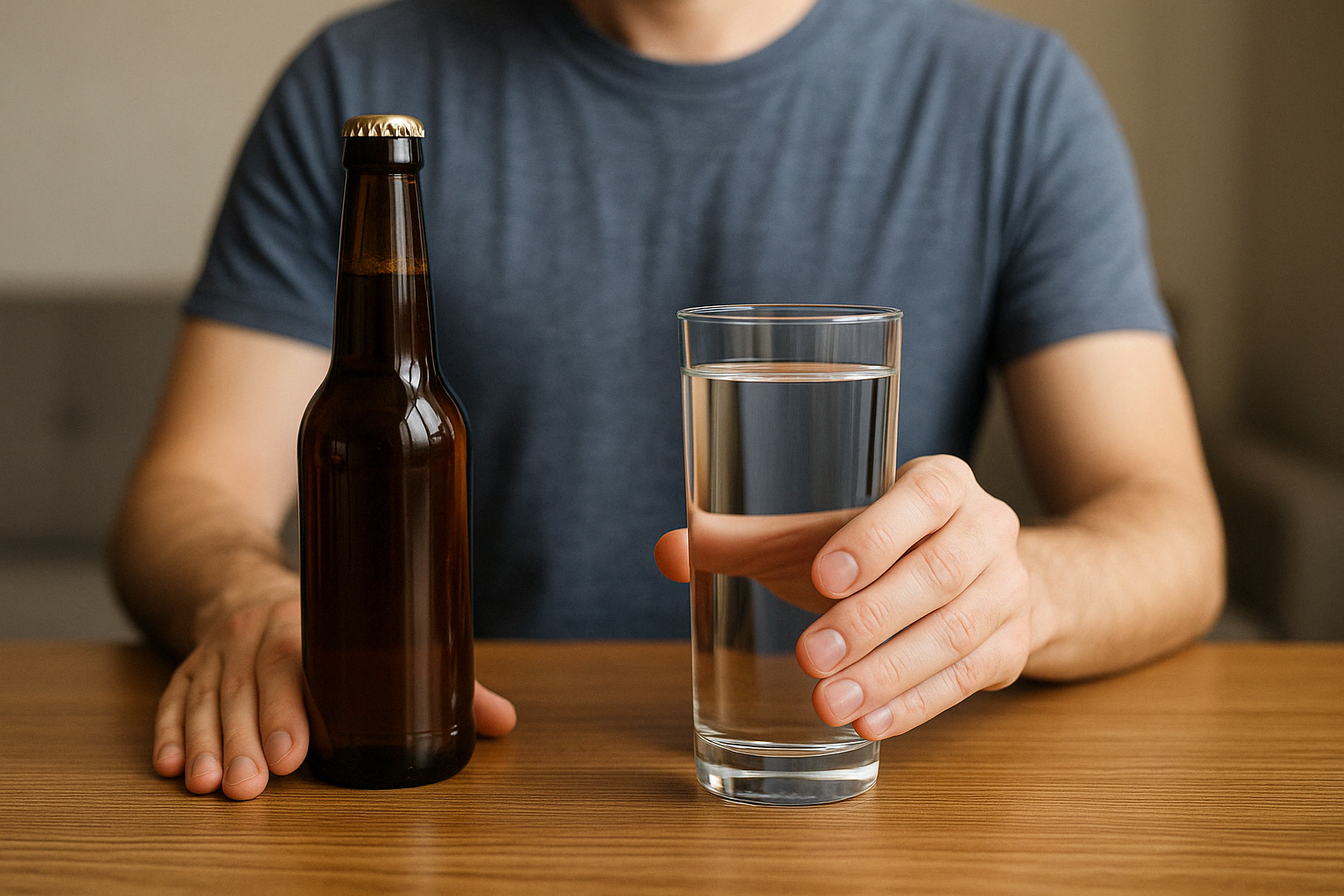
Sometimes, a craving is more about the feeling than the actual alcohol. That’s where sensory tools come in. Light a calming candle, sip on flavored sparkling water, or take a hot shower. Soothe your senses in ways that don’t involve drinking. Having a stash of your favorite teas, essential oils, or cozy blankets can serve as positive, comforting replacements. Sensory shifts help pull you out of the urge and into the present moment.
Build, Use, and Revisit
Your sober toolbox isn’t a one-and-done project. You’ll keep adding to it, discovering what works best and removing what doesn’t. The more you use it, the more effective it becomes. And the best part? Every time you reach for it instead of a drink, you reinforce your own power. Sobriety isn’t just about avoiding alcohol—it’s about learning to care for yourself in new, healthier ways.
If you or a loved one are struggling with addiction or mental health issues, please give us a call today at 855-952-3546