Dual Diagnosis: Treating Anxiety and Substance Abuse Together
For many people, anxiety and substance abuse are two sides of the same coin. When someone feels overwhelmed by fear, panic, or constant worry, it’s not uncommon to reach for alcohol, drugs, or prescription pills to try to calm the storm. But what happens when the thing you think is helping you cope becomes a problem of its own? That’s where dual diagnosis treatment comes in.
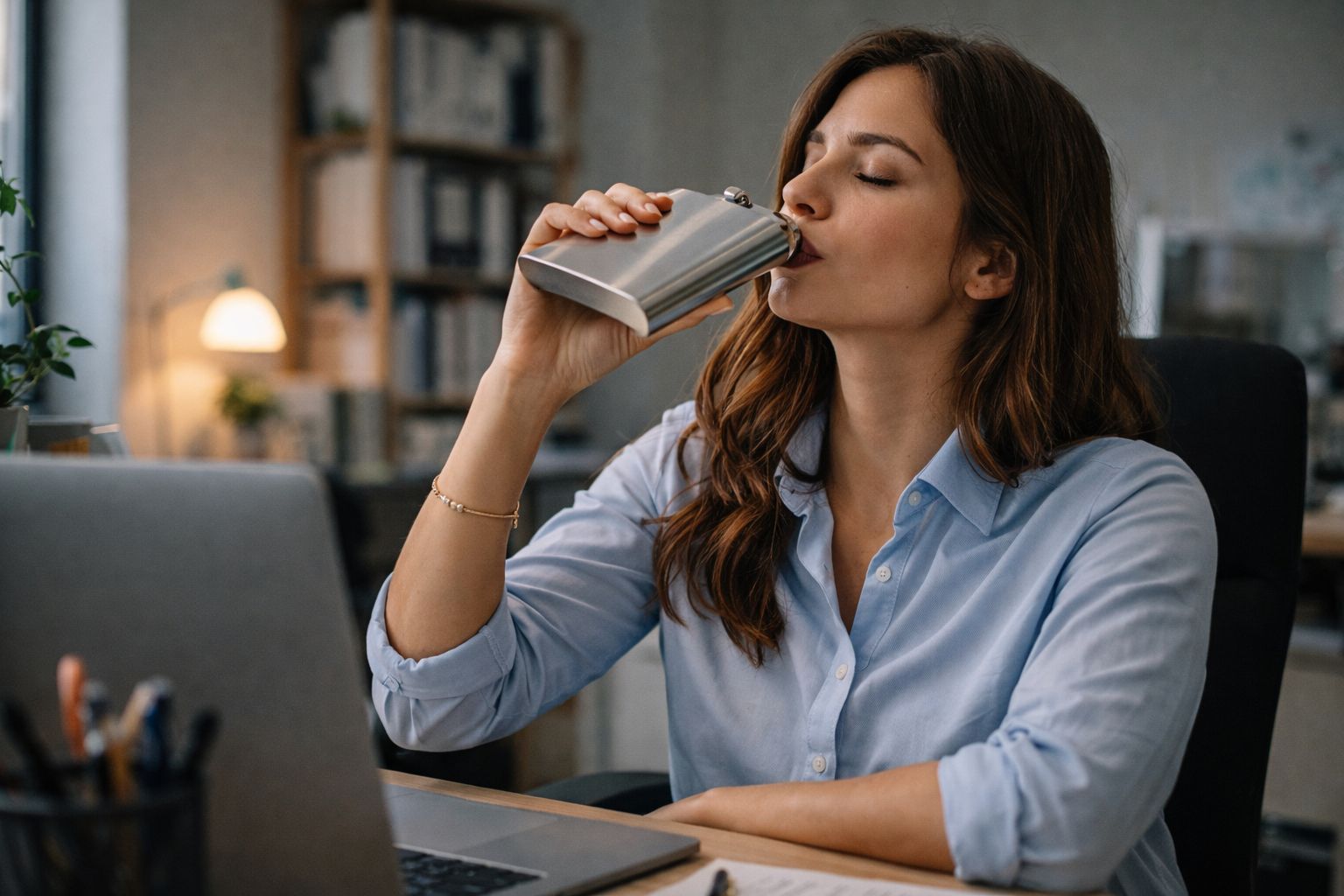
Dual diagnosis refers to the condition of having both a mental health disorder and a substance use disorder at the same time. It’s more common than people think. Anxiety disorders—like generalized anxiety, panic disorder, or social anxiety—often lead people to self-medicate. Unfortunately, the relief is temporary, and over time, substance use can make anxiety worse. That creates a toxic cycle where the person is treating one problem by fueling another.
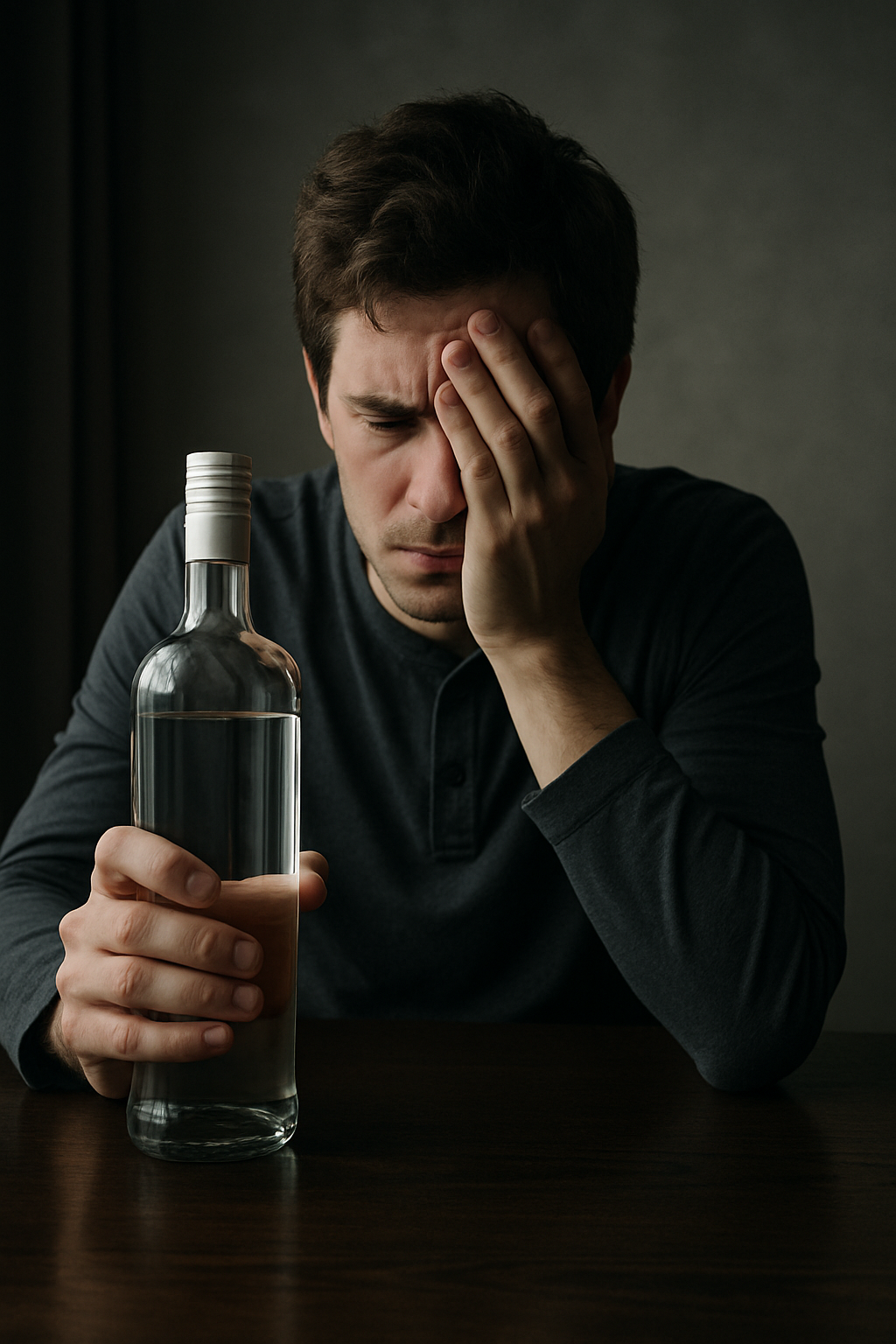
The tricky thing about dual diagnosis is that both conditions feed into each other. Anxiety can make someone feel like they need to use a substance just to function. Meanwhile, substance use disrupts brain chemistry, worsens emotional regulation, and increases the likelihood of panic attacks or depressive crashes. What starts as an occasional drink to calm the nerves or a pill to take the edge off can spiral into full-blown addiction.
So how do you treat two problems at once?
That’s where integrated dual diagnosis treatment makes all the difference. Traditional rehab programs that only focus on addiction often miss the mark for people struggling with anxiety. If the underlying mental health issue isn’t addressed, the person is more likely to relapse. Likewise, treating anxiety without addressing substance use can leave people unable to break free from unhealthy coping habits. Dual diagnosis treatment tackles both, side by side.
This type of treatment typically starts with detox to safely manage withdrawal symptoms. But the work doesn’t stop there. Once the body is stabilized, therapy becomes the centerpiece of recovery. Cognitive Behavioral Therapy (CBT), for instance, is often used to help individuals understand how their thoughts, emotions, and behaviors are connected. People learn to recognize triggers, reframe their anxious thinking, and replace unhealthy habits with positive coping skills.
In addition to therapy, dual diagnosis programs might include medication management to help regulate anxiety symptoms without the risk of addiction. This has to be done carefully. Some anti-anxiety medications can be habit-forming themselves, so providers must tailor each plan based on the person’s unique situation. Group therapy, holistic practices like meditation or yoga, and ongoing support are also crucial elements.
Another key part of dual diagnosis treatment is rebuilding confidence. People living with anxiety and addiction often struggle with guilt, shame, or the belief that they’re “broken.” But the truth is that co-occurring disorders are a medical condition—not a character flaw. The right treatment can help someone regain a sense of control and start believing in themselves again.
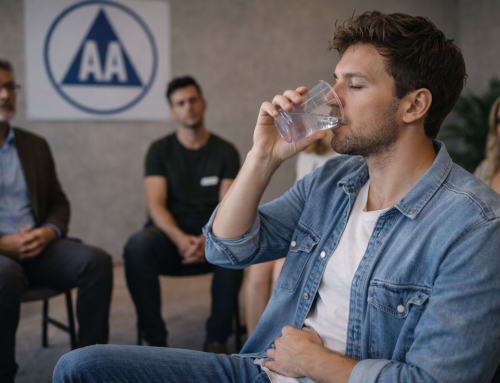
Family involvement can also help the healing process. When loved ones learn how to support without enabling, and how to communicate without judgment, it creates a more stable and understanding environment for recovery.
Long-term recovery from a dual diagnosis isn’t about finding a “quick fix.” It’s about building a new way of living that supports both mental health and sobriety. That might mean changing routines, setting new boundaries, finding sober friends, and learning how to deal with life’s ups and downs without needing to escape.
If you or someone you know is struggling with anxiety and substance abuse, it’s important to know that help is available. No one has to fight this battle alone. With the right treatment, it’s possible not just to survive—but to thrive.
Because life is too short to live trapped in fear or addiction. You deserve peace, and recovery can help you get there.
If you or a loved one are struggling with addiction or mental health issues, please give us a call today at 855-952-3546