The Vicious Cycle: Using Alcohol to Self-Medicate Anxiety
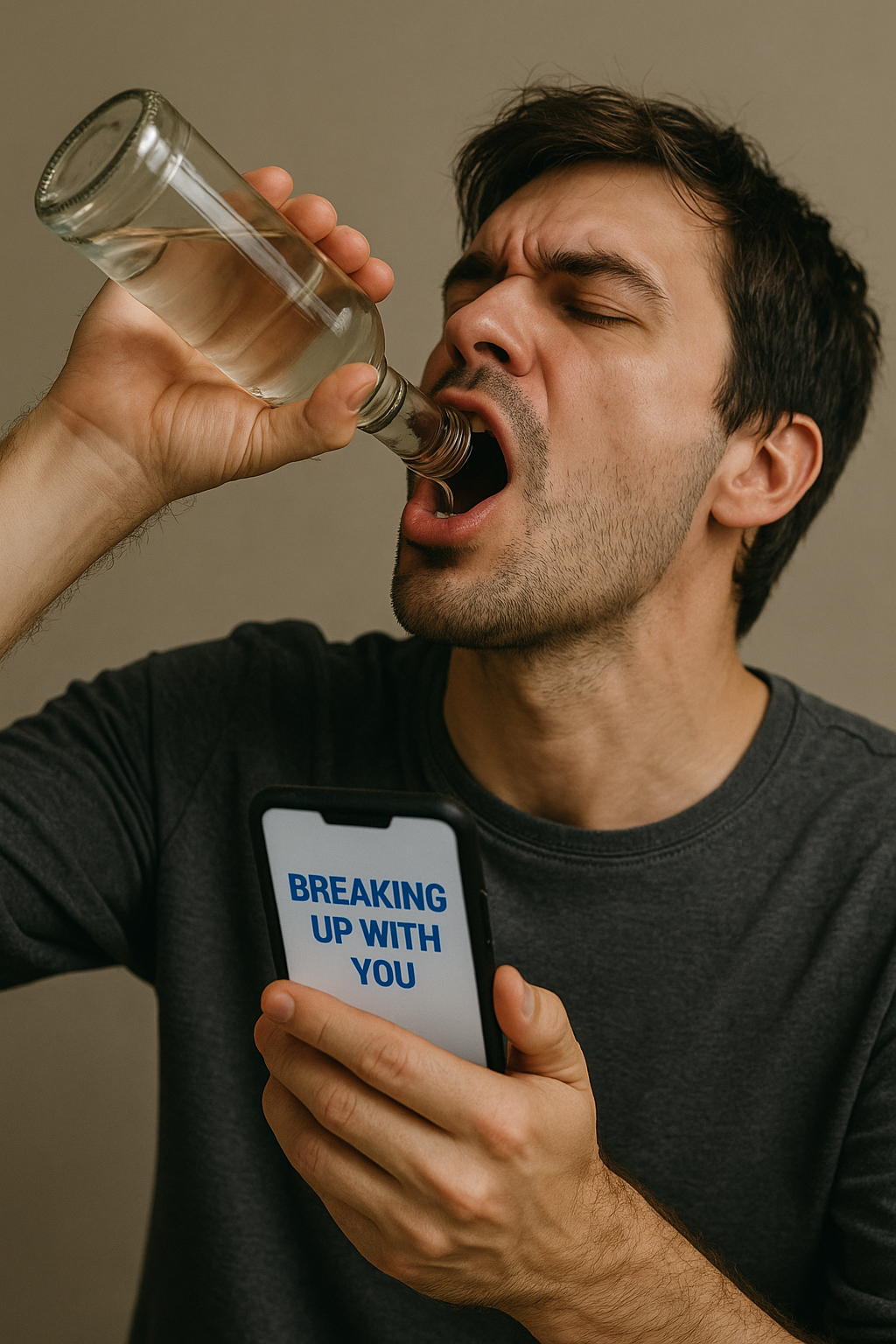
Anxiety is a heavy weight to carry. It tugs at your chest, races through your mind, and steals your peace when you need it most. For many, alcohol becomes an easy escape — a quick fix to quiet the noise and ease the tension. A drink can feel like a lifeline when anxiety feels overwhelming. But what starts as a temporary solution often spirals into a deeper, more dangerous problem: a vicious cycle of self-medicating with alcohol that only makes anxiety worse.
At first, alcohol seems like a friend. It dulls the nerves, loosens the grip of fear, and numbs the constant pressure. A few drinks in, and the anxious thoughts feel quieter, the body feels lighter, and the stress of the day melts away. It’s easy to see why so many people reach for a glass when anxiety strikes. But what’s happening underneath the surface tells a much different story.
Alcohol is a depressant, and while it initially slows the brain’s activity and creates a calming effect, it doesn’t last. Once the alcohol wears off, the brain swings the other way. Anxiety often roars back stronger than before, fueled by the chemical imbalance alcohol creates. It’s not just a return to the original anxiety — it’s anxiety amplified, sharper, and more unforgiving.
This rebound effect pulls many people deeper into the trap. After feeling worse once the alcohol fades, the brain and body crave the temporary comfort of another drink. And so the cycle repeats: drink to escape anxiety, feel worse, drink more to escape feeling worse. Over time, this can lead not only to worsening anxiety but to alcohol dependence or addiction.
The cruel irony is that the very thing people use to feel better ends up making them feel worse. Alcohol may mask anxiety for a short while, but it never addresses the root cause. In fact, it builds a bigger problem — stacking mental health struggles on top of physical dependence. As tolerance builds, it takes more alcohol to achieve the same numbing effect, and withdrawal symptoms between drinks can feel like intensified anxiety, tricking the brain into thinking it needs alcohol just to function normally.
This cycle doesn’t just live in the mind, either. Physically, alcohol wreaks havoc on the nervous system, sleep patterns, and hormone balance — all crucial factors in managing anxiety. Many people who self-medicate end up sleeping poorly, experiencing erratic moods, and feeling even more exhausted and out of control than before they ever took a drink.
Breaking the cycle starts with recognizing it. It takes courage to admit when a “coping tool” has turned into a coping crutch. The truth is, no drink will ever cure anxiety. The real work of healing comes from healthier, more sustainable strategies: therapy, mindfulness practices, exercise, support groups, and in some cases, medical treatment.
Recovery doesn’t mean pretending anxiety doesn’t exist. It means learning new ways to deal with it — ways that actually make you stronger instead of more vulnerable. Sobriety doesn’t erase anxiety overnight, but it lays a real foundation to rebuild a more peaceful, steady mind. Without the chemical rollercoaster of alcohol, the body and brain can finally begin to heal, develop resilience, and face anxious moments with real tools, not temporary bandages.
If you’re stuck in the cycle, you’re not alone. Many people have walked this same hard path — and many have found their way out. It starts with one decision: to believe that real peace is possible and that it’s worth fighting for. Anxiety doesn’t have to rule your life, and alcohol doesn’t have to be your answer.
Choosing a different way — one that nurtures healing instead of fueling chaos — is how the cycle ends. And it’s how your new, calmer, freer life can begin.
If you or a loved one are struggling with addiction or mental health issues, please give us a call today at 855-952-3546