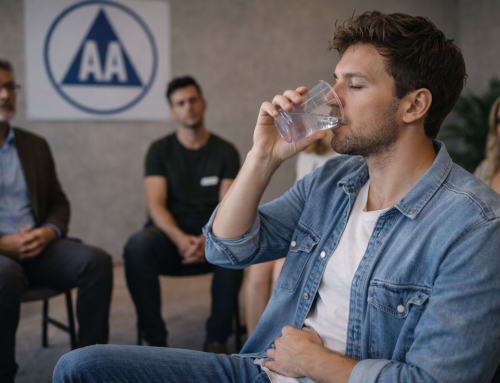
For many people struggling with anxiety, alcohol can feel like a temporary escape. A drink might take the edge off social situations, calm racing thoughts, or even help you sleep. But what starts as a coping tool often becomes a major trigger—because alcohol and anxiety are a dangerous duo. In fact, alcohol abuse can worsen anxiety symptoms significantly, trapping people in a vicious cycle of self-medication and increased suffering.
The False Relief of Alcohol
At first glance, alcohol appears to “help” anxiety. It’s a central nervous system depressant, which means it slows down brain activity. This can cause a sense of relaxation, decreased inhibitions, and momentary calm. But the keyword here is momentary. Once the effects wear off, the brain reacts—hard.
The body, which was trying to maintain balance, floods the system with stress hormones like cortisol and adrenaline. You wake up jittery, foggy, and even more anxious than before. Over time, this rebound anxiety becomes stronger and more persistent.
The Anxiety-Alcohol Loop
It’s easy to see how the cycle forms. You feel anxious, so you drink. You feel better for a little while. But then your anxiety crashes back—harder. So you drink again. The more frequently this happens, the more your brain starts to rely on alcohol to “feel okay.” And that’s where trouble begins.
As tolerance builds, it takes more alcohol to get the same calming effect. Meanwhile, the brain’s ability to regulate mood without alcohol starts to weaken. Natural calming mechanisms become dull. Now, the anxiety isn’t just coming back—it’s coming back amplified.
Physical Symptoms of Anxiety Get Worse
Alcohol doesn’t just affect your mood; it also impacts your body. Heart palpitations, trembling hands, nausea, dizziness—sound familiar? These are common symptoms of both anxiety and alcohol withdrawal. If you’re drinking heavily and regularly, your body starts to experience these symptoms as the alcohol leaves your system. So not only are you dealing with emotional panic, but your body feels like it’s under attack.
What’s worse is that these physical symptoms can make you believe your anxiety is out of control—when in reality, it’s the alcohol making everything worse. That can lead to more drinking to “fix” the symptoms, and the cycle deepens.
Alcohol Disrupts Sleep and Brain Chemistry
One of the biggest contributors to anxiety is poor sleep, and alcohol is one of the worst substances for your sleep cycle. While it might knock you out at first, alcohol disrupts your REM sleep—the deep, restorative sleep your brain needs to regulate mood and emotions. You may wake up several times throughout the night, toss and turn, or wake up feeling unrested and anxious.
Long-term alcohol abuse also depletes neurotransmitters like serotonin and dopamine, both of which play huge roles in emotional regulation. With these brain chemicals thrown off balance, anxiety can skyrocket—even when you’re not drinking.
Breaking the Cycle
The good news? You can break the cycle. But it starts with understanding that alcohol isn’t helping your anxiety—it’s fueling it. Many people find that once they stop drinking, their anxiety symptoms start to ease. It may not happen overnight, especially if alcohol has been used for years as a crutch. But over time, your brain and body start to heal.
You might notice better sleep, clearer thinking, fewer panic attacks, and a greater sense of emotional stability. Of course, anxiety doesn’t vanish instantly with sobriety, but removing alcohol gives you a fighting chance to manage it in healthier, lasting ways.
You Deserve Peace—Not a Pour
If you’re caught in the anxiety-alcohol loop, you’re not alone—and you’re not weak. You’re human. Many people turn to alcohol to cope, not realizing the trap it sets. But now that you know how alcohol abuse worsens anxiety symptoms, you have the power to make a different choice.
Life’s too short to live in a constant state of panic and dependency. Freedom from alcohol might just be the first step toward real peace of mind.
If you or a loved one are struggling with addiction or mental health issues, please give us a call today at 855-952-3546