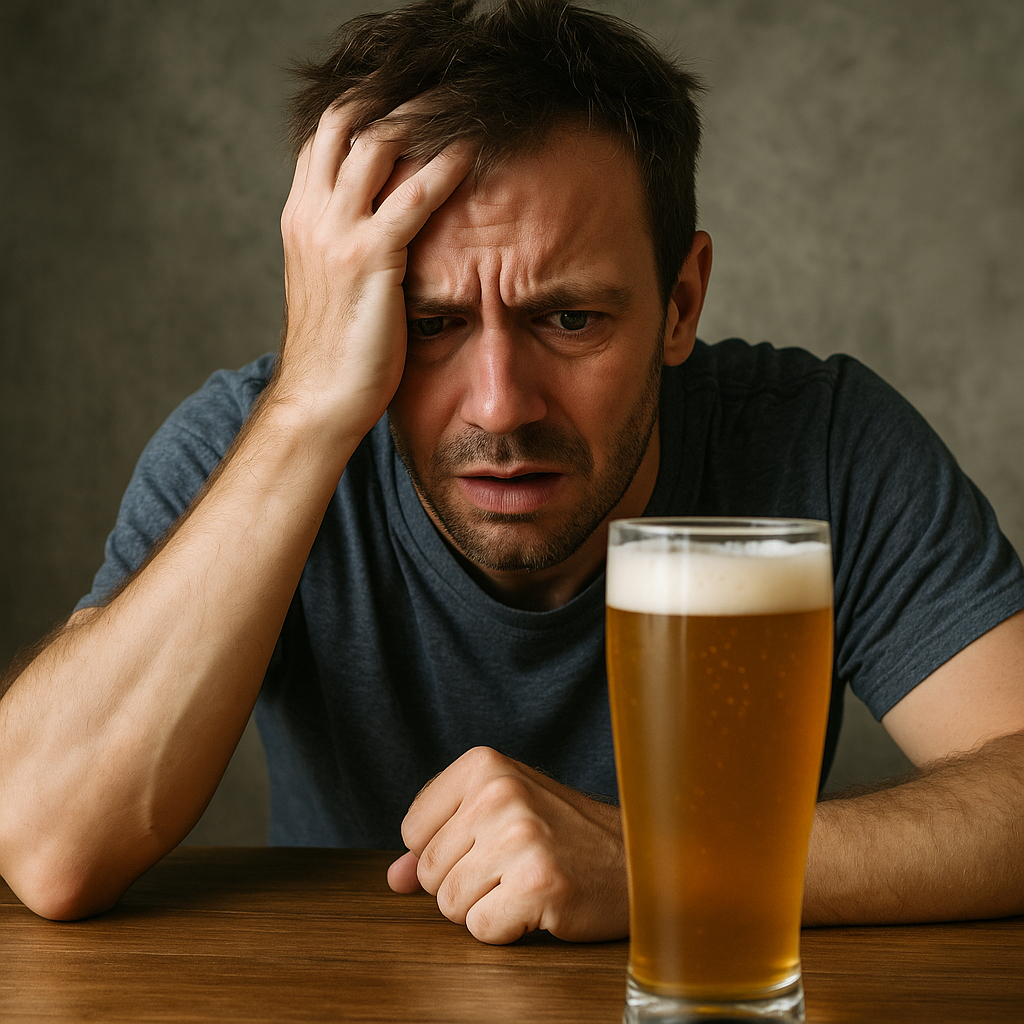
For many, alcohol becomes a coping mechanism—something to take the edge off, to numb the stress, or to quiet racing thoughts. But once drinking turns into a habit, stopping isn’t just about making a healthy choice. It can quickly become a full-on war with your own mind and body. One of the most jarring and uncomfortable aspects of quitting alcohol is the anxiety that follows—especially during withdrawal.
Alcohol withdrawal isn’t just about hangovers or cravings. It can be a deeply unsettling, even terrifying experience. Your body has grown used to alcohol’s effects on your nervous system. So when you suddenly stop drinking, your system scrambles to regain balance—and that imbalance often triggers overwhelming anxiety.
In fact, anxiety is one of the most common and intense symptoms people face during withdrawal. Your heart races. Your palms sweat. You can’t sit still, but doing anything feels impossible. Thoughts spiral, and fears feel magnified. You might feel like you’re going crazy or like something terrible is about to happen, even if nothing is wrong. That’s not just your imagination—it’s your brain trying to function without the sedative it’s come to rely on.
During alcohol use, the brain slows itself down in response to the depressant effects of alcohol. It produces less of certain calming chemicals like GABA, while increasing stimulating ones to stay balanced. When alcohol is removed suddenly, the brain is flooded with these stimulating chemicals—and the result is an overactive, anxious state. This heightened arousal is why anxiety can skyrocket after you quit drinking.
For people who already live with anxiety, alcohol withdrawal can feel like adding gasoline to an already-burning fire. What used to be manageable nerves can quickly become panic attacks. Insomnia makes everything worse—your body is exhausted but too wired to rest, creating a vicious cycle of sleeplessness and anxiety. Many people also experience intrusive thoughts, nightmares, and a general sense of dread. It can feel like your body is in full fight-or-flight mode without a clear reason.
This experience is often enough to drive people back to drinking. Not because they want to feel good—but because they’re desperate to stop feeling so bad. The anxiety is that overwhelming. And that’s what makes this stage of recovery so dangerous. Without support, many people relapse just to calm their nerves and get a break from the mental torment.
That’s why medically supervised detox can make such a difference. Trained professionals can monitor your symptoms, manage your anxiety, and help you through the worst of it safely. You don’t have to battle withdrawal alone, and you don’t have to let fear win.
What’s important to remember is this: alcohol withdrawal anxiety is temporary. As your brain begins to rebalance, the anxiety starts to fade. It might take days or even weeks, but relief does come. And beyond that struggle is something even better—peace, clarity, and emotional stability.
Recovery isn’t easy, and withdrawal is no joke. But you’re not weak for feeling anxious. You’re not broken. Your brain is doing what it needs to do to heal. And with the right help, you can get through the worst parts and come out stronger.
So if you’re facing alcohol withdrawal and battling anxiety, know this: it’s a sign that your body is healing. It’s a hard road, but it leads somewhere better. And you’re not alone on the journey.
If you or a loved one are struggling with addiction or mental health issues, please give us a call today at 855-952-3546