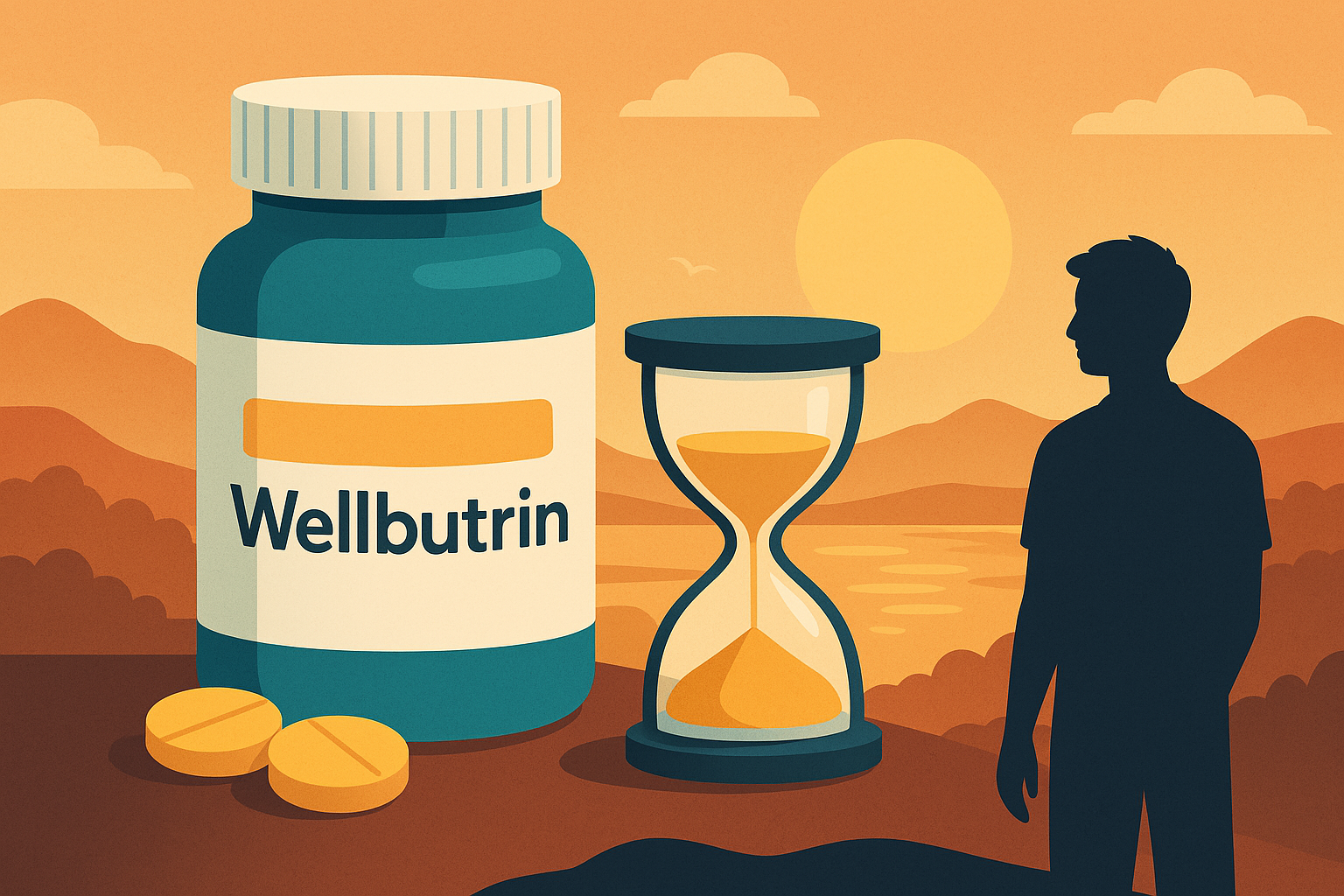
If you’re navigating your way through recovery or looking for ways to manage depression and anxiety without falling into the trap of addictive medications, you may have heard the name Wellbutrin. But what exactly is it, and how does it work?
Let’s break it down in simple terms: Wellbutrin is a brand name for bupropion, a prescription medication that’s commonly used to treat depression and seasonal affective disorder. It’s also sometimes used to help people quit smoking. But unlike many other antidepressants, Wellbutrin is a bit of an outsider—and that’s not a bad thing.
How Wellbutrin Works in the Brain
Wellbutrin doesn’t mess with your serotonin levels the way most traditional antidepressants do. Instead, it targets dopamine and norepinephrine—two brain chemicals that play a big role in motivation, energy, focus, and pleasure. Think of dopamine as the brain’s “reward chemical” and norepinephrine as the one that keeps you alert and ready to face the world.
By increasing the levels of these two neurotransmitters, Wellbutrin can help lift the fog of depression, sharpen your focus, and give you a little extra drive. That’s one reason it’s also prescribed to people with ADHD or those who struggle with low energy during recovery.
Why It’s Different (and Sometimes Better)
Many antidepressants come with side effects like weight gain, sexual dysfunction, or emotional numbing. Wellbutrin, on the other hand, has a reputation for doing the opposite. People often report feeling more energetic, less foggy, and even experiencing increased motivation.
More importantly, Wellbutrin is not habit-forming. That makes it a much safer choice for those in recovery or for anyone trying to steer clear of anything that might lead them down a path of dependency.
Wellbutrin and Sobriety
If you’re on a sobriety journey, finding ways to deal with the emotional lows and the chaos that addiction leaves behind can be hard. But medications like Wellbutrin can help stabilize mood and improve mental clarity without the risk of addiction. It’s a valuable tool that can support recovery rather than derail it.
Let’s be real—life is short. It moves fast, and we don’t get do-overs. Choosing sobriety means choosing to be fully present, fully alive, and fully in control. Tools like Wellbutrin, when used correctly and under medical supervision, can help you get there.
You don’t have to live in a constant cycle of highs and lows. You don’t have to numb yourself to get through the day. Sobriety gives you the chance to feel everything again—the good, the bad, the inspiring. And that’s where the real growth happens.
Side Effects to Know
Like all medications, Wellbutrin isn’t perfect. Some people experience side effects like insomnia, dry mouth, headaches, or anxiety—especially when first starting. But many of these symptoms fade with time. In rare cases, it can increase the risk of seizures, especially if taken in high doses or combined with other substances. That’s why it’s critical to be honest with your healthcare provider about your history and follow their guidance closely.
The Bottom Line
Wellbutrin isn’t a miracle pill, but it is a helpful tool for those trying to live a clean, sober, and emotionally balanced life. It doesn’t get you high. It won’t make your problems disappear. But it can give you a mental boost when you need it most.
If you’re struggling with depression, ADHD, or just staying on track in your recovery, talk to a doctor about whether Wellbutrin is right for you. And remember: you deserve a life that isn’t controlled by substances. Sobriety isn’t boring. It’s brave. It’s beautiful. And it just might be your ticket to real peace.
If you or a loved one are struggling with addiction or mental health issues, please give us a call today at 855-952-3546