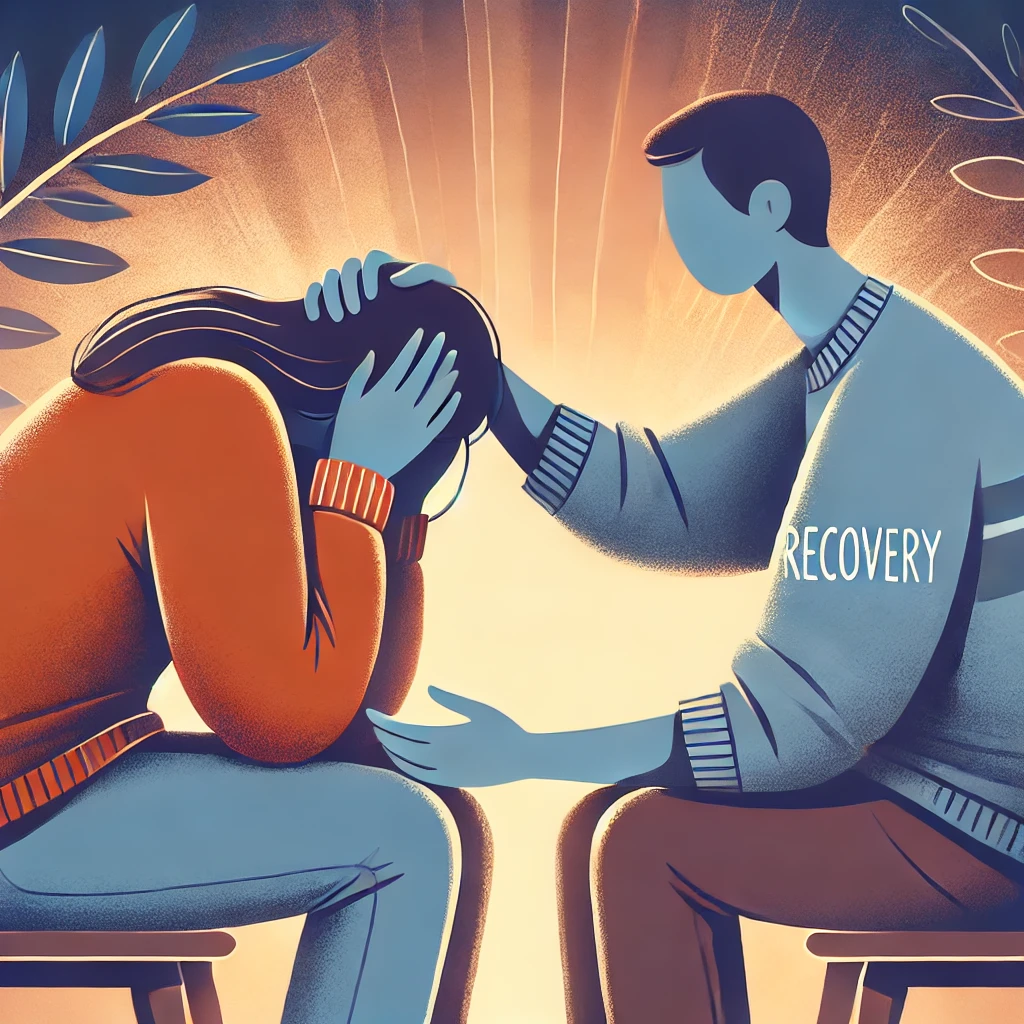
Educate Yourself About Addiction
The first step to helping a loved one is understanding addiction. It’s not a matter of willpower or moral failing; addiction is a chronic disease that alters brain chemistry. Learning about the causes, symptoms, and treatment options can help you offer informed and compassionate support rather than judgment.
Recognize the Signs of Addiction
Sometimes, people struggling with addiction may not realize or admit they have a problem. Some common signs of addiction include:
- Increased secrecy and isolation
- Drastic mood swings or changes in behavior
- Financial problems due to substance use
- Declining performance at work or school
- Physical symptoms such as weight loss, bloodshot eyes, or tremors
Recognizing these signs early can help you address the problem before it worsens.
Offer Support, Not Judgment
Approaching a loved one about their addiction requires sensitivity. Instead of blaming or shaming them, express your concern in a non-confrontational way. Use “I” statements to communicate your feelings. For example:
- “I’ve noticed you haven’t been yourself lately, and I’m worried about you.”
- “I care about you, and I want to help in any way I can.”
Avoid making accusations, as this can make the person defensive and less likely to accept help.
Encourage Professional Help
Addiction is difficult to overcome alone. Encourage your loved one to seek professional treatment, whether it’s therapy, counseling, rehabilitation programs, or support groups. Offer to help them find resources and accompany them to appointments if needed.
Set Boundaries
While it’s important to offer support, enabling addictive behavior can be harmful. Setting boundaries helps protect your well-being while encouraging your loved one to seek help. Some healthy boundaries include:
- Refusing to provide money for drugs or alcohol
- Not covering up their mistakes or making excuses for them
- Letting them face the consequences of their actions
Encourage Healthy Habits
Helping a loved one adopt healthier habits can aid their recovery. Encourage them to engage in activities that promote well-being, such as exercise, meditation, or creative hobbies. These activities can serve as positive coping mechanisms to replace substance use.
Be Patient and Understanding
Recovery is a long process with ups and downs. Relapse is common, but it doesn’t mean failure. Instead of reacting with anger or disappointment, encourage your loved one to get back on track. Patience, consistency, and emotional support are key elements in their recovery journey.
Take Care of Yourself
Supporting someone with an addiction can be emotionally draining. Don’t neglect your own mental health in the process. Seek support from therapy, support groups, or trusted friends. Taking care of yourself allows you to be a better source of support for your loved one.
Helping a loved one struggling with addiction is challenging, but your support can make a difference. By educating yourself, offering nonjudgmental support, setting boundaries, and encouraging professional help, you can play a crucial role in their recovery journey. Remember, addiction is a disease that requires time, patience, and understanding. If you or your loved one needs professional help, don’t hesitate to seek assistance.
If you or a loved one are struggling with addiction or mental health issues, please give us a call today at 855-952-3546