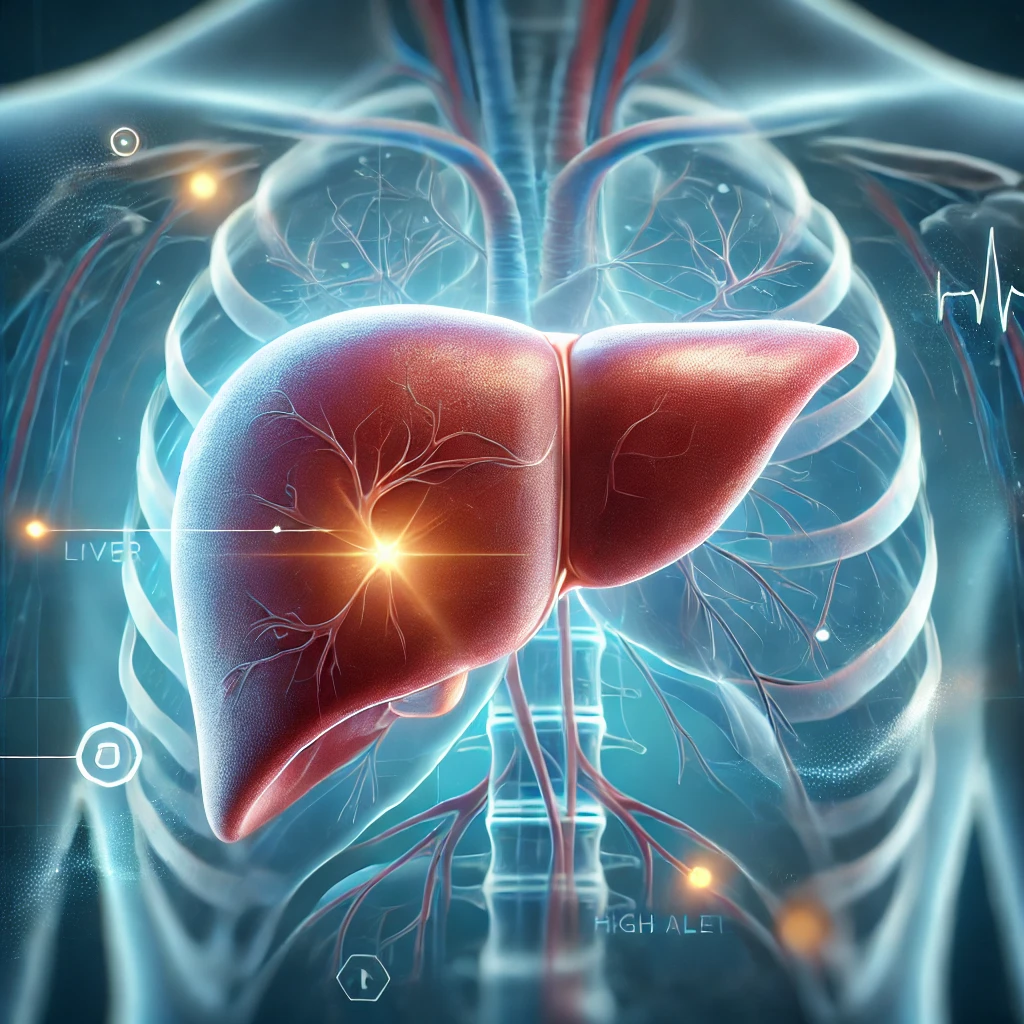
When you go to the doctor for a routine check-up or to investigate certain symptoms, they may order blood tests to assess your overall health. One such test is the Alanine Aminotransferase (ALT) test, which measures the level of ALT enzymes in your blood. While a healthy liver contains ALT enzymes, elevated levels can signal potential liver damage or disease. Let’s dive into what high ALT test results mean and what you should do about it.
What Is an ALT Test?
The ALT test measures the amount of alanine aminotransferase enzyme in your blood. This enzyme is primarily found in the liver but is also present in smaller amounts in the kidneys, heart, and muscles. Its main role is to help your body convert proteins into energy.
When the liver is damaged, ALT enzymes can leak into the bloodstream, causing higher-than-normal levels. Doctors use this test to evaluate liver function and detect liver issues like hepatitis, fatty liver disease, or cirrhosis.
What Causes High ALT Levels?
A variety of factors can cause elevated ALT levels, including:
- Liver Diseases: Conditions like hepatitis, fatty liver disease, cirrhosis, or liver cancer.
- Alcohol Abuse: Consuming excessive alcohol can damage liver cells, causing ALT levels to rise.
- Medications: Certain medications, such as statins, acetaminophen, and antibiotics, can elevate ALT levels.
- Non-Alcoholic Fatty Liver Disease (NAFLD): Fat accumulation in the liver of individuals who drink little to no alcohol.
- Infections: Viral infections like mononucleosis or hepatitis can cause liver inflammation.
- Obesity: Being overweight or obese increases the risk of liver disease.
- Diabetes and High Blood Pressure: These conditions are commonly linked to liver problems.
Symptoms of High ALT Levels
Sometimes, high ALT levels are discovered accidentally during routine blood tests. However, if liver damage is the cause, you may experience symptoms like:
- Fatigue
- Abdominal pain
- Jaundice (yellowing of the skin and eyes)
- Dark-colored urine
- Nausea and vomiting
How to Lower High ALT Levels
If you’ve been diagnosed with high ALT levels, lifestyle changes are crucial to bringing them down and maintaining liver health. Here’s what you can do:
- Avoid Alcohol: Completely eliminate alcohol from your diet.
- Healthy Diet: Focus on whole foods, including fruits, vegetables, whole grains, and lean proteins.
- Exercise Regularly: Aim for at least 30 minutes of moderate exercise most days of the week.
- Stay Hydrated: Drink plenty of water to help your liver function properly.
- Medication Management: Only take medications as prescribed and consult your doctor before starting or stopping any drug.
- Weight Loss: If you’re overweight, losing weight can greatly improve your liver health.
When to See a Doctor
If your ALT levels are high, it’s essential to consult your doctor for a proper diagnosis and treatment plan. Further testing, such as imaging scans or a liver biopsy, may be necessary to pinpoint the cause. Early intervention can prevent more severe liver damage and improve your overall health.
Understanding the results of an ALT test and making the necessary lifestyle changes can go a long way in preserving your liver’s health. Always seek professional medical advice if you have concerns about your liver function.
If you or a loved one are struggling with addiction or mental health issues, please give us a call today at 855-952-3546