Understanding “Tranq Dope”: The Dangers of Xylazine in Street Drugs
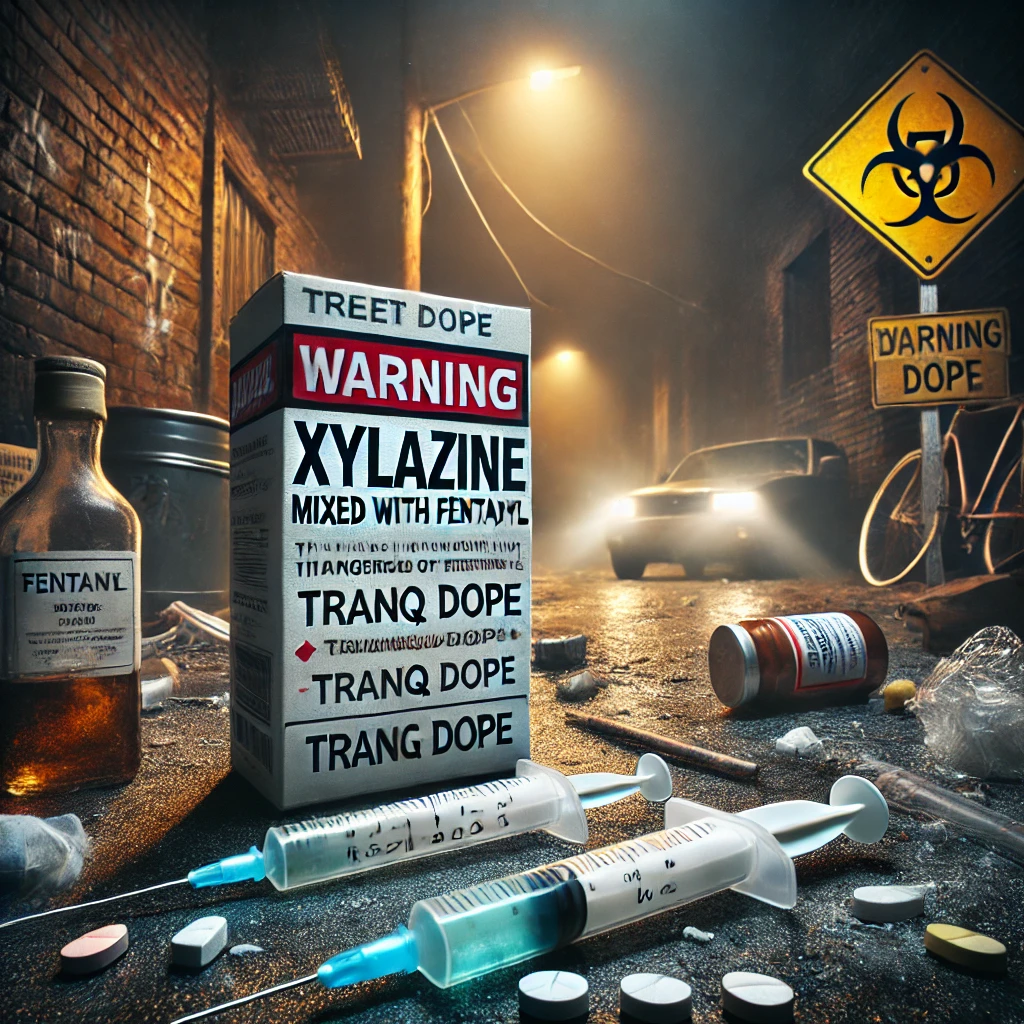
In recent years, a new and dangerous trend has emerged in the world of street drugs: the use of xylazine, commonly known as “tranq dope.” This drug, which was originally intended for veterinary use as a tranquilizer for large animals, has found its way into illegal street drug markets, often mixed with opioids like fentanyl. The combination is proving to be both devastating and potentially lethal, causing major health concerns across the country.
What Is Xylazine?
Xylazine is a powerful sedative typically used in veterinary medicine to calm animals before surgery or to assist with sedation during other medical procedures. It works by affecting the central nervous system, making it effective in large animals like horses and cattle. However, it is not approved for human consumption, and its use in street drugs is particularly dangerous due to the unpredictable effects it can have on people.
Xylazine is not an opioid, but when it is mixed with opioids like fentanyl, the effects can be magnified. The combination of opioids with xylazine creates a potent mix that not only enhances the high but also significantly increases the risk of overdose and severe health complications.
The Dangers of Tranq Dope
The rise of xylazine-laced street drugs has raised alarms among public health officials. Unlike fentanyl, which is known for its ability to depress the respiratory system and lead to fatal overdoses, xylazine has its own set of risks. Some of the most concerning dangers associated with tranq dope include:
- Respiratory Depression: While xylazine itself may not cause fatal respiratory depression, its presence alongside fentanyl can drastically reduce breathing rates, leading to potentially lethal respiratory failure.
- Severe Sedation: Xylazine induces deep sedation, and when combined with other drugs, it can cause extreme drowsiness and unconsciousness. This makes it extremely difficult for users to gauge their level of intoxication and seek help in time if something goes wrong.
- Complications with Naloxone: Naloxone, also known as Narcan, is a lifesaving medication used to reverse opioid overdoses. Unfortunately, naloxone is not effective against xylazine, which means users who overdose on tranq dope may not be able to be revived with traditional methods.
- Skin Ulcers and Infections: One of the most disturbing side effects of xylazine use is the development of severe skin ulcers. These lesions can appear at the site of injection, leading to painful wounds that may require long-term medical treatment. In some cases, these infections can lead to limb amputations if not treated promptly.
- Lack of Awareness: Many users of tranq dope are unaware that they are consuming xylazine. The drug is often mixed with other substances like heroin or fentanyl without the user’s knowledge, increasing the risk of accidental overdose.
Why Is Xylazine So Dangerous?
Xylazine’s growing presence in street drugs poses a unique threat due to its dual effects when combined with opioids. Not only does it increase the likelihood of fatal overdose by depressing the respiratory system, but it also complicates the ability of first responders and medical professionals to treat these overdoses effectively.
Because xylazine is not an opioid, it does not respond to the usual antidotes like naloxone. This means that users who overdose on tranq dope might not be able to access the lifesaving treatment they need in time. The lack of awareness surrounding the presence of xylazine in street drugs only exacerbates the issue, as users may not realize the danger they are in until it’s too late.
The Importance of Prevention and Education
As the use of tranq dope spreads, education and prevention efforts are more important than ever. Public health initiatives must focus on raising awareness about the dangers of xylazine-laced drugs, as well as ensuring that first responders and healthcare providers are equipped to handle these complex overdose situations.
Additionally, those struggling with addiction need access to effective treatment options that address not only the opioid addiction but also the risks posed by drugs like xylazine. Comprehensive rehabilitation and harm reduction strategies are crucial in mitigating the deadly effects of tranq dope.
In conclusion, while xylazine may have legitimate uses in veterinary medicine, its appearance in street drugs is a growing crisis that cannot be ignored. Understanding the risks of tranq dope and taking steps to protect oneself and others from its dangerous effects is key to combating this new threat in the fight against drug addiction and overdose.
If you or a loved one are struggling with addiction or mental health issues, please give us a call today at 855-952-3546