The Dark Side of Fentanyl Analogs: What Makes Them Even Deadlier?
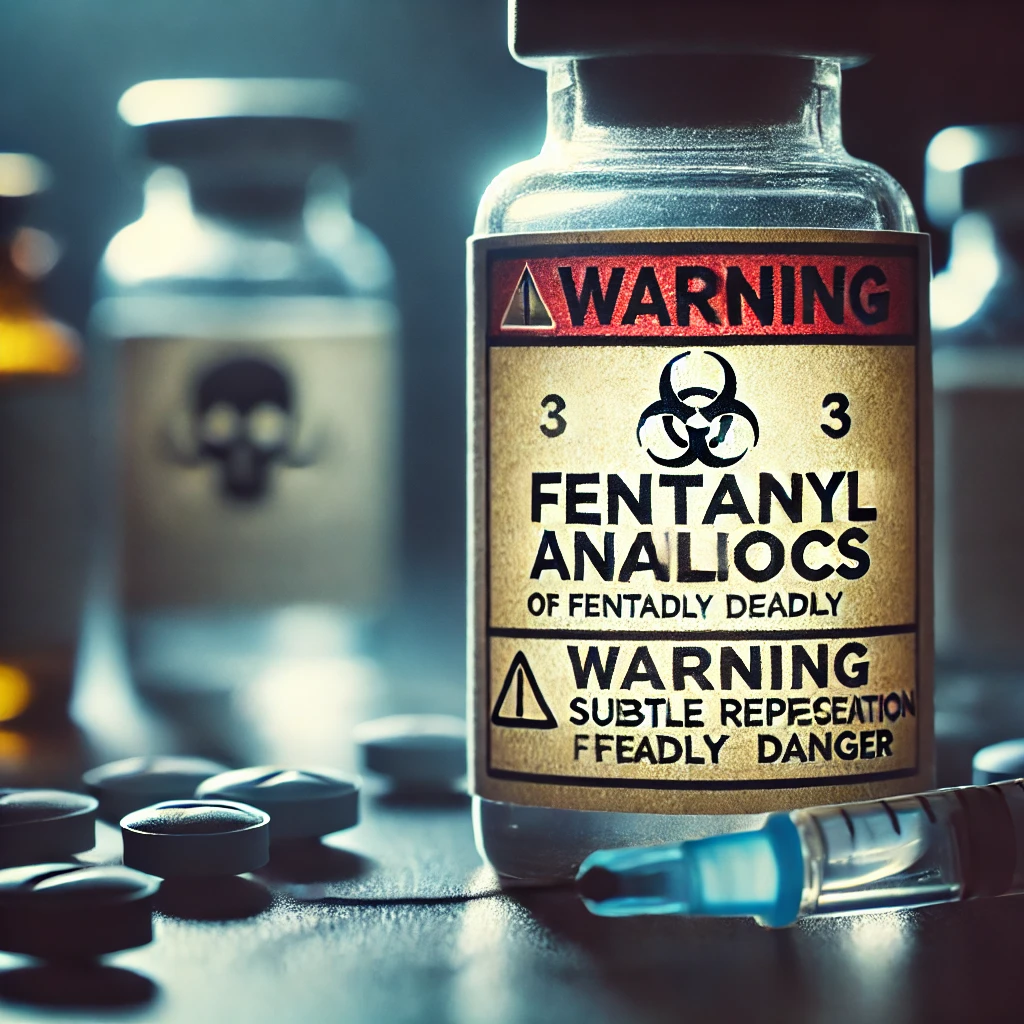
Fentanyl, a synthetic opioid, has become one of the leading causes of drug-related deaths in many countries, particularly in the United States. While fentanyl itself is a powerful painkiller, fentanyl analogs – synthetic variations of the drug – are now emerging as an even more dangerous threat. These analogs are chemically similar to fentanyl but often much more potent, making them a deadly addition to the opioid crisis. In this blog, we will explore the dark side of fentanyl analogs, how they differ from regular fentanyl, and why they are even deadlier.
What Are Fentanyl Analogs?
Fentanyl analogs are chemicals that are structurally related to fentanyl but differ slightly in their molecular composition. These analogs are often created in illegal labs and sold on the black market. Because they are not regulated, their potency can vary widely, and users cannot easily gauge how much of the substance they are consuming.
Some common fentanyl analogs include carfentanil, butyrfentanyl, and acrylfentanyl. These analogs are designed to mimic the effects of fentanyl but can be far more potent – sometimes up to 100 times stronger than fentanyl itself.
Why Are Fentanyl Analogs So Deadly?
- Increased Potency: The most dangerous aspect of fentanyl analogs is their potency. For instance, carfentanil, an analog used as an elephant tranquilizer, is up to 100 times stronger than fentanyl. This extreme potency means that even a small amount can cause overdose and death.
- Lack of Regulation: Unlike pharmaceutical fentanyl, which is produced under strict controls, fentanyl analogs are often synthesized in illegal labs. Without proper regulation or quality control, users can never be sure of the exact composition of the drug they are consuming. This variability increases the risk of overdose.
- Easy to Manufacture and Smuggle: Fentanyl analogs are often easier to produce than traditional opioids. They can be synthesized in small, secretive labs, which makes them more difficult for law enforcement to track. This ease of production also contributes to their rapid proliferation on the black market.
- Impersonation of Other Drugs: Fentanyl analogs are often sold as other substances, including heroin or prescription painkillers. Many users are unaware that they are taking fentanyl or one of its analogs, and as a result, they may consume a lethal dose. This disguise adds to the danger and unpredictability of these drugs.
- Narrow Safety Margin: Fentanyl and its analogs have a very narrow therapeutic index, which means that the difference between a dose that produces the desired effect and one that causes an overdose is very small. Even a tiny amount more than the safe dosage can lead to fatal respiratory depression, the primary cause of death from opioid overdoses.
The Growing Problem
The rise of fentanyl analogs has made the opioid crisis even more deadly. While fentanyl itself was responsible for thousands of deaths, the emergence of analogs has compounded the issue. According to the Centers for Disease Control and Prevention (CDC), fentanyl analogs have been linked to a significant increase in overdose deaths, particularly in areas where opioids are widely abused.
These drugs not only pose a risk to regular drug users but also to first responders and others who may inadvertently come into contact with them. The extreme potency of fentanyl analogs means that even a small amount of exposure can be fatal, and responders must exercise extreme caution when handling suspected fentanyl-related substances.
Fentanyl analogs are a deadly extension of the opioid epidemic, and their increasing prevalence is a cause for concern. Their potency, unpredictability, and ease of production make them far more dangerous than regular fentanyl. It is crucial that awareness is raised about the risks associated with these drugs, as well as the importance of effective treatment, harm reduction, and prevention strategies.
The fight against fentanyl analogs requires collaboration between law enforcement, healthcare professionals, and the public. By understanding the dangers posed by these substances, we can work toward mitigating their impact and protecting communities from further harm.
If you or a loved one are struggling with addiction or mental health issues, please give us a call today at 855-952-3546.