Heroin addiction is one of the most misunderstood and stigmatized conditions in society today. People struggling with heroin use are often labeled as weak, immoral, or even beyond help. This stigma creates barriers that make it harder for individuals to seek treatment, rebuild their lives, and find support from their communities. Understanding the roots of this stigma and learning how to overcome it is crucial in helping individuals recover and reintegrate into society.
Understanding the Stigma
The stigma surrounding heroin addiction comes from several sources, including historical biases, misinformation, and fear. Many people still believe addiction is a choice rather than a disease, despite overwhelming scientific evidence that it is a chronic medical condition. Heroin addiction, in particular, is often associated with crime, homelessness, and personal failure, which reinforces negative stereotypes.
Media portrayal also plays a significant role in shaping public perception. News stories often focus on the most extreme cases, highlighting the dangers of heroin use without discussing the underlying causes or the potential for recovery. As a result, society tends to view heroin addiction as a hopeless condition rather than a treatable illness.
The Impact of Stigma on Individuals
Stigma can have devastating effects on those struggling with heroin addiction. It often leads to shame, isolation, and a reluctance to seek help. Many individuals fear judgment from family, friends, and even healthcare providers, which prevents them from accessing the treatment they need.
Furthermore, stigma affects employment and housing opportunities. Employers may be hesitant to hire someone with a history of heroin addiction, even if they are in recovery. This lack of opportunity can lead to relapse, reinforcing the cycle of addiction.
Overcoming the Stigma
1. Education and Awareness
One of the most effective ways to combat stigma is through education. Understanding that heroin addiction is a disease that affects brain chemistry, rather than a moral failing, is essential. Public awareness campaigns, personal testimonies, and open discussions can help change perceptions and promote empathy.
2. Seeking Professional Treatment
Professional treatment is key to overcoming heroin addiction, but stigma often prevents people from seeking help. Medically-assisted treatment (MAT), therapy, and rehabilitation programs provide crucial support. Encouraging those struggling with addiction to pursue these options without fear of judgment can make a significant difference.
3. Changing the Narrative
The way we talk about heroin addiction matters. Avoiding terms like “junkie” or “addict” and instead using person-first language—such as “a person struggling with addiction”—helps humanize the issue. This small shift in language can foster more understanding and reduce bias.
4. Support Systems and Community Involvement
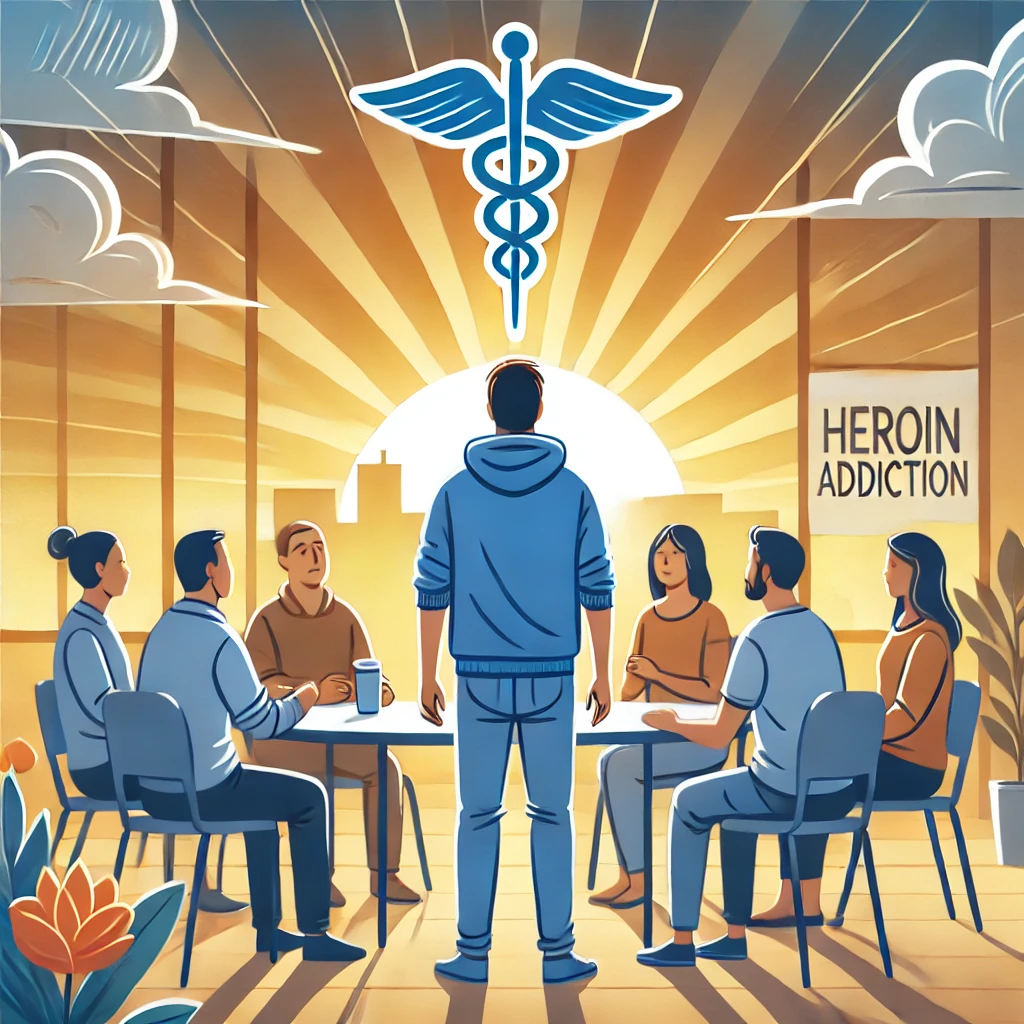
Having a strong support system can help individuals overcome the shame associated with addiction. Family, friends, and recovery groups can provide encouragement and accountability. Community involvement, such as sober living environments and volunteer work, can also help individuals rebuild their lives and regain a sense of purpose.
5. Advocacy for Policy Changes
Changing laws and policies that discriminate against individuals with a history of drug addiction can help reduce stigma. Advocating for fair employment opportunities, access to healthcare, and better rehabilitation programs can make recovery more attainable.
The Path to Recovery
Recovery from heroin addiction is possible, but it requires a supportive environment free from stigma. By changing the way society views addiction, increasing access to treatment, and providing encouragement rather than judgment, we can help individuals break free from the cycle of heroin use.
Instead of shaming those struggling with heroin addiction, we should focus on helping them heal. Everyone deserves a second chance, and with the right support, individuals can rebuild their lives, contribute to society, and inspire others on the path to recovery.
If you or a loved one are struggling with addiction or mental health issues, please give us a call today at 855-952-3546