The Role of Counseling in Alcohol Addiction Recovery
Alcohol addiction is a pervasive issue that affects millions of people worldwide. Recovery from this condition isn’t just about abstaining from alcohol; it involves a comprehensive approach that addresses both the physical and psychological facets of addiction. One of the critical components of an effective recovery process is counseling. Counseling offers a supportive environment where individuals can explore the underlying issues that contribute to their addiction, develop coping strategies, and build a resilient foundation for a sober life.
Understanding the Need for Counseling in Recovery
The journey to recovery from alcohol addiction is multifaceted. While medical treatments like detoxification handle the physical dependence, counseling addresses the psychological bonds of addiction. This psychological support is crucial because it helps individuals understand and manage the emotions and behaviors that trigger their alcohol use.
Counseling provides a safe space for individuals to confront their fears, guilt, and any traumatic experiences that may have contributed to their addiction. Through various therapeutic approaches, counselors help individuals to mend their emotional wounds, which is essential for long-term recovery.
Types of Counseling Used in Alcohol Addiction Recovery
- Cognitive Behavioral Therapy (CBT): CBT is highly effective in treating alcohol addiction. It focuses on identifying negative thought patterns and behaviors that lead to drinking and replacing them with healthier ones. This therapy helps individuals anticipate problems and enhance their self-control by developing effective coping strategies.
- Motivational Interviewing (MI): This counseling style enhances an individual’s motivation to change. MI addresses ambivalence and resistance to abstain from alcohol use by encouraging individuals to talk about their desires, reasons, and potential to stop drinking.
- Family Therapy: Alcohol addiction does not only affect the individual but also their family. Family therapy involves family members in the recovery process, helping to mend relationships and improve the home environment, which can support sobriety.
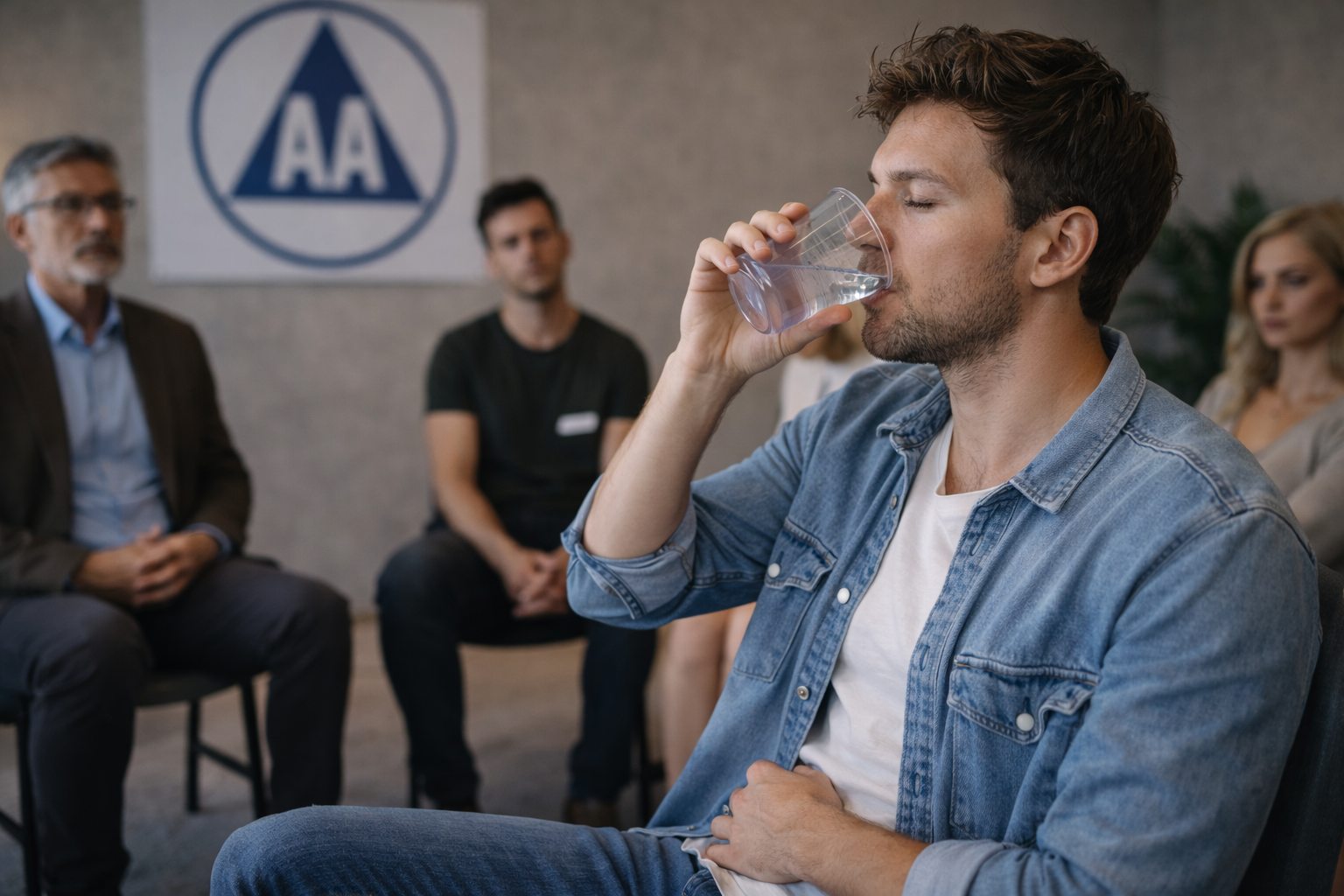
- Group Therapy: Participating in group sessions can allow individuals to meet others facing similar challenges. This setting provides peer support, which is instrumental in recovery. It helps to reduce feelings of isolation and enhances the motivation to change through shared experiences and collective wisdom.
Benefits of Counseling in Recovery
- Enhanced Self-awareness: Counseling helps individuals recognize the emotional triggers of their alcohol use, providing insight into specific personal issues that need to be addressed.
- Relapse Prevention: Through therapy, individuals learn new coping skills to handle stress and triggers without resorting to alcohol.
- Improved Relationships: Counseling offers guidance on how to repair strained relationships and build new, supportive ones that are vital for recovery.
- Greater Emotional Resilience: Therapy strengthens emotional resilience by teaching ways to deal with negative emotions and stress healthily.
The Road to Recovery
The role of counseling in the recovery from alcohol addiction cannot be overstated. It is a vital element that complements medical detox and helps secure a long-term recovery. Counseling equips individuals with the necessary tools to rebuild their lives, offering them the best chance at a sustained recovery.
Achieving sobriety is not a quick fix; it’s a lifelong journey of growth and healing. Counseling provides the roadmap for this journey, ensuring that individuals have the support and resources they need to navigate the path to a sober and fulfilling life.
In conclusion, if you or someone you know is struggling with alcohol addiction, consider the profound benefits of professional counseling. It could be the key to unlocking a new, healthier chapter in life.
If you or a loved one are struggling with addiction or mental health issues, please give us a call today at 855-952-3546