The Impact of Heroin Use on Families and Communities
Heroin addiction is a devastating issue that affects not just the individual struggling with substance abuse, but also their families and the larger community. The consequences of heroin use ripple through various aspects of life, leading to emotional, financial, and social challenges. This blog will explore how heroin use impacts families and communities, emphasizing the long-term effects that can change the course of lives for many.
Emotional Toll on Families
The emotional strain placed on family members of someone addicted to heroin can be overwhelming. Loved ones may experience a mix of feelings, including fear, anger, guilt, and confusion. Parents, children, and spouses often feel helpless as they watch a person they care about deteriorate due to their addiction. This emotional rollercoaster can lead to strained relationships, increased stress, and, in many cases, broken families.
The unpredictability of heroin use means that family members are always on edge, unsure when the next crisis will strike. Children in particular can suffer from neglect, as the focus often shifts to the addict’s behavior and needs. This instability can lead to emotional trauma for young people, who may grow up with feelings of abandonment, anxiety, or depression.
Financial Strain
Heroin addiction is an expensive habit. The financial burden on families can be significant, as loved ones may attempt to provide money for drugs or pay for rehabilitation programs in an effort to help the addict get clean. Unfortunately, these efforts are often met with failure as addiction takes a stronger hold. Families may find themselves draining savings accounts, taking out loans, or even going into debt to support a loved one’s addiction.
The economic impact isn’t limited to the immediate family. Communities also bear the costs of heroin use. Hospitals, law enforcement agencies, and social services must manage the fallout from heroin-related incidents, which often include emergency room visits, law enforcement interventions, and the cost of long-term rehabilitation services. These expenses, in turn, can lead to strained community resources.
Social Isolation and Stigma
One of the most difficult aspects of heroin addiction is the stigma attached to it. Families affected by heroin use may feel isolated from others, particularly when it comes to their social circles. The stigma surrounding drug addiction often causes people to withdraw or distance themselves from those facing these issues, further exacerbating the emotional and psychological toll on families.
Communities also experience social isolation as addiction spreads. Neighborhoods with high rates of heroin use may see an increase in crime and a decline in overall well-being. This can lead to decreased property values and fewer opportunities for those who live in the area, as businesses may avoid opening in places with high levels of drug-related problems.
Strain on Law Enforcement and Health Systems
Heroin addiction places a significant strain on law enforcement and public health systems. The demand for emergency medical services increases with drug overdoses, while law enforcement officers face challenges in addressing drug-related crimes and distribution networks. These strains take resources away from other critical areas, often leaving entire communities vulnerable to further harm.
The Road to Recovery
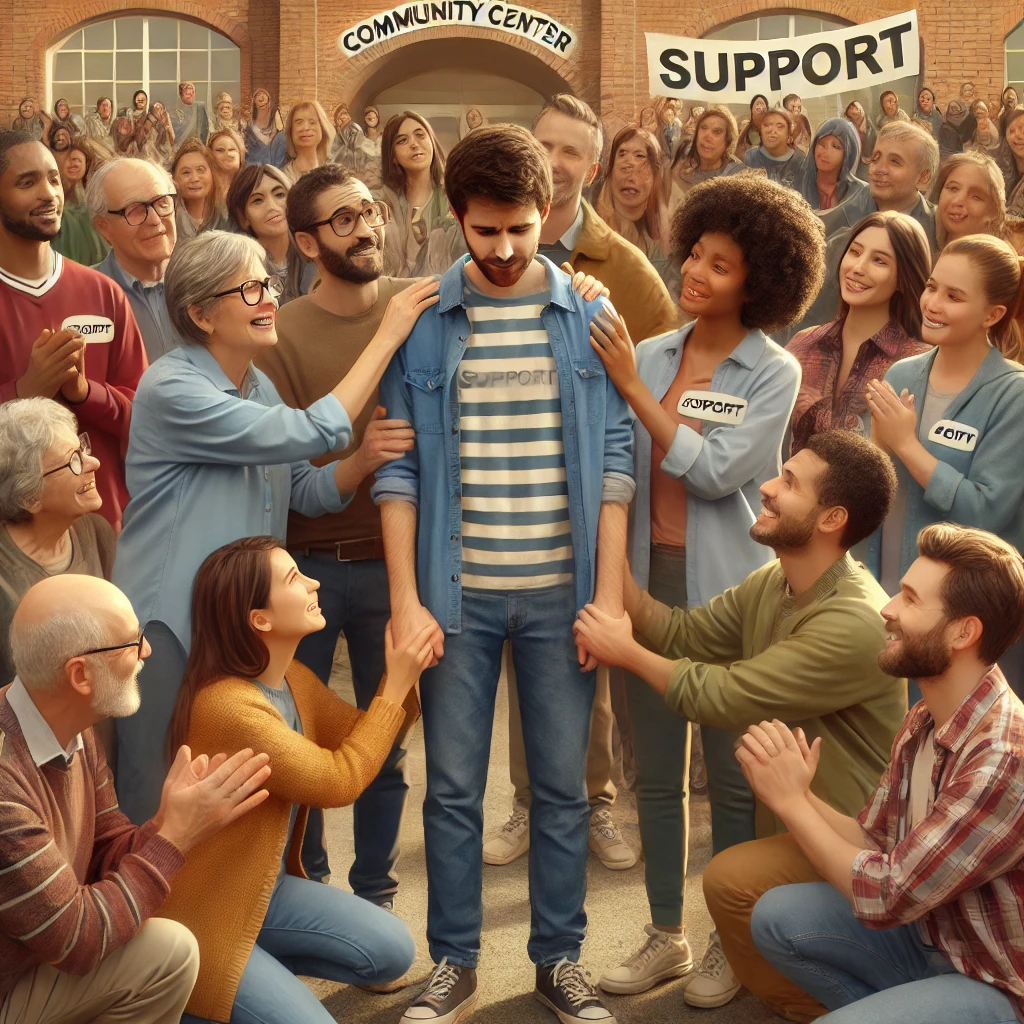
While heroin use has devastating effects on both families and communities, there is hope for recovery. Families can play a crucial role in the healing process by seeking professional help, supporting their loved ones through rehabilitation, and establishing boundaries to maintain their own well-being. It is also important for communities to provide accessible treatment centers and support groups to help those struggling with addiction.
Additionally, public awareness and education campaigns can help reduce the stigma associated with heroin addiction, encouraging more people to seek help before addiction destroys their lives
If you or a loved one are struggling with addiction or mental health issues, please give us a call today at 855-952-3546