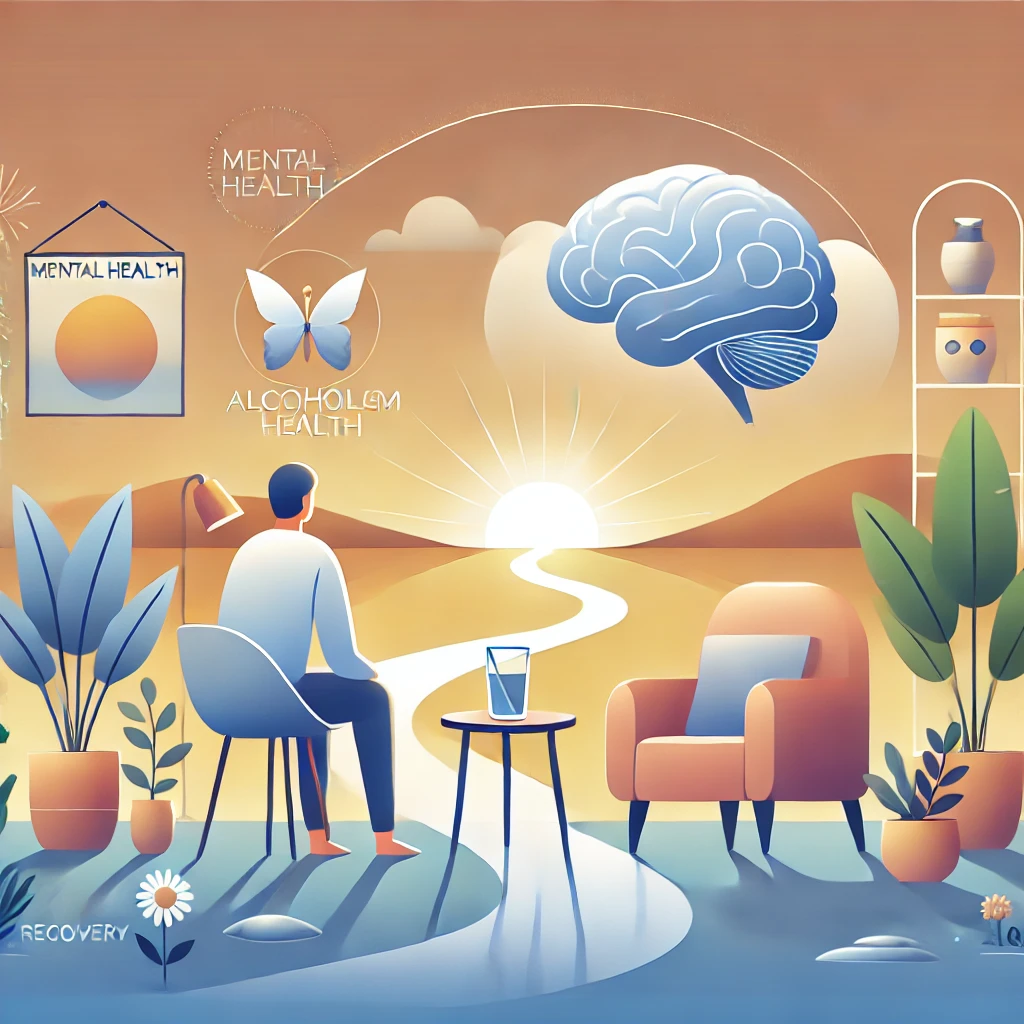
Understanding the Connection Between Alcoholism and Mental Health
Alcoholism and mental health disorders are closely intertwined, creating a complex relationship that can be challenging to navigate. While some may struggle with alcohol use as a means of coping with mental health issues, others may develop mental health problems as a result of prolonged alcohol abuse. In either case, the connection between the two is undeniable, and understanding how they influence each other is critical for effective treatment and recovery.
How Alcoholism Affects Mental Health
Alcohol, a central nervous system depressant, directly affects the brain’s chemistry, impacting mood, behavior, and cognitive function. Chronic alcohol abuse can lead to significant changes in brain structure and function, which may trigger or exacerbate mental health issues such as anxiety, depression, and even conditions like bipolar disorder or schizophrenia.
1. Depression and Anxiety Alcohol is often used by individuals to self-medicate feelings of anxiety, sadness, or stress. While alcohol may initially provide temporary relief by numbing emotions, it ultimately worsens these symptoms in the long term. Alcohol-induced depression is a common consequence of excessive drinking, as alcohol can disrupt the balance of serotonin and other neurotransmitters in the brain. This imbalance contributes to feelings of sadness, hopelessness, and a general lack of motivation. Similarly, anxiety can worsen as alcohol impairs the brain’s ability to regulate stress hormones.
2. Cognitive Impairment Chronic alcohol use can impair cognitive function, leading to memory loss, difficulty concentrating, and a decrease in problem-solving skills. The damage to the brain from years of heavy drinking may contribute to the development of mental health disorders, as it can limit an individual’s ability to manage stress and emotional challenges effectively. Over time, alcohol can also increase the risk of developing more severe mental health conditions like psychosis.
Mental Health Disorders Leading to Alcoholism
On the flip side, individuals struggling with mental health disorders may turn to alcohol as a way of coping with their emotional pain. Mental health conditions such as depression, anxiety, post-traumatic stress disorder (PTSD), and bipolar disorder are often associated with a higher likelihood of developing alcohol use disorders.
1. Self-Medication Many individuals with mental health conditions may resort to alcohol to relieve symptoms such as intrusive thoughts, intense mood swings, or overwhelming sadness. The temporary relief alcohol offers can create a vicious cycle, where the person drinks to manage their mental health, but alcohol worsens their mental condition in the long run, leading them to drink even more.
2. Trauma and PTSD For individuals who have experienced trauma, including those with PTSD, alcohol may be used as a form of escape from painful memories or emotional distress. While alcohol may dull these emotions temporarily, it doesn’t address the underlying trauma, and over time, the dependency on alcohol can make recovery from trauma even more difficult.
The Importance of Dual Diagnosis Treatment
Given the complex relationship between alcohol and mental health disorders, it’s crucial to treat both conditions simultaneously for successful recovery. This is known as dual diagnosis treatment, and it involves a holistic approach that addresses both alcoholism and any co-occurring mental health disorders. Successful treatment plans may include a combination of therapy, counseling, medication, and support groups.
1. Therapy and Counseling Cognitive Behavioral Therapy (CBT) and other therapeutic interventions are essential for helping individuals address both the root causes of their alcoholism and the mental health issues contributing to their addiction. Therapy helps individuals build coping mechanisms, develop healthier behaviors, and work through unresolved trauma.
2. Medication Medications may be used to treat both alcoholism and mental health disorders. Antidepressants, anti-anxiety medications, and medications designed to help individuals manage alcohol cravings are often used in tandem to promote long-term recovery.
3. Support Groups Support groups like Alcoholics Anonymous (AA) or SMART Recovery provide individuals with a community of people who understand their struggles. These groups offer valuable emotional support, helping individuals stay accountable and motivated during their recovery journey.
Moving Toward Recovery
Understanding the connection between alcoholism and mental health is the first step toward healing. Acknowledging that both issues need to be treated together is essential for breaking the cycle of addiction and mental health struggles. Whether through therapy, medication, or community support, individuals can find the help they need to manage both conditions effectively.
Recovery is possible, and with the right treatment plan, individuals can rebuild their lives, achieve better mental health, and regain control over their alcohol use. If you or someone you know is struggling, seeking professional help is a crucial step toward a brighter, healthier future.
If you or a loved one are struggling with addiction or mental health issues, please give us a call today at 855-952-3546