The Connection Between Chronic Pain and Opioid Dependence
Living with chronic pain is a challenging reality for millions of people worldwide. Conditions like arthritis, fibromyalgia, and back injuries can make even the simplest daily activities seem insurmountable. In an effort to alleviate the persistent discomfort, many turn to prescription opioids—powerful pain relievers such as oxycodone, hydrocodone, and morphine. While these medications can be effective in managing pain, they also carry a significant risk: opioid dependence.
Understanding Chronic Pain
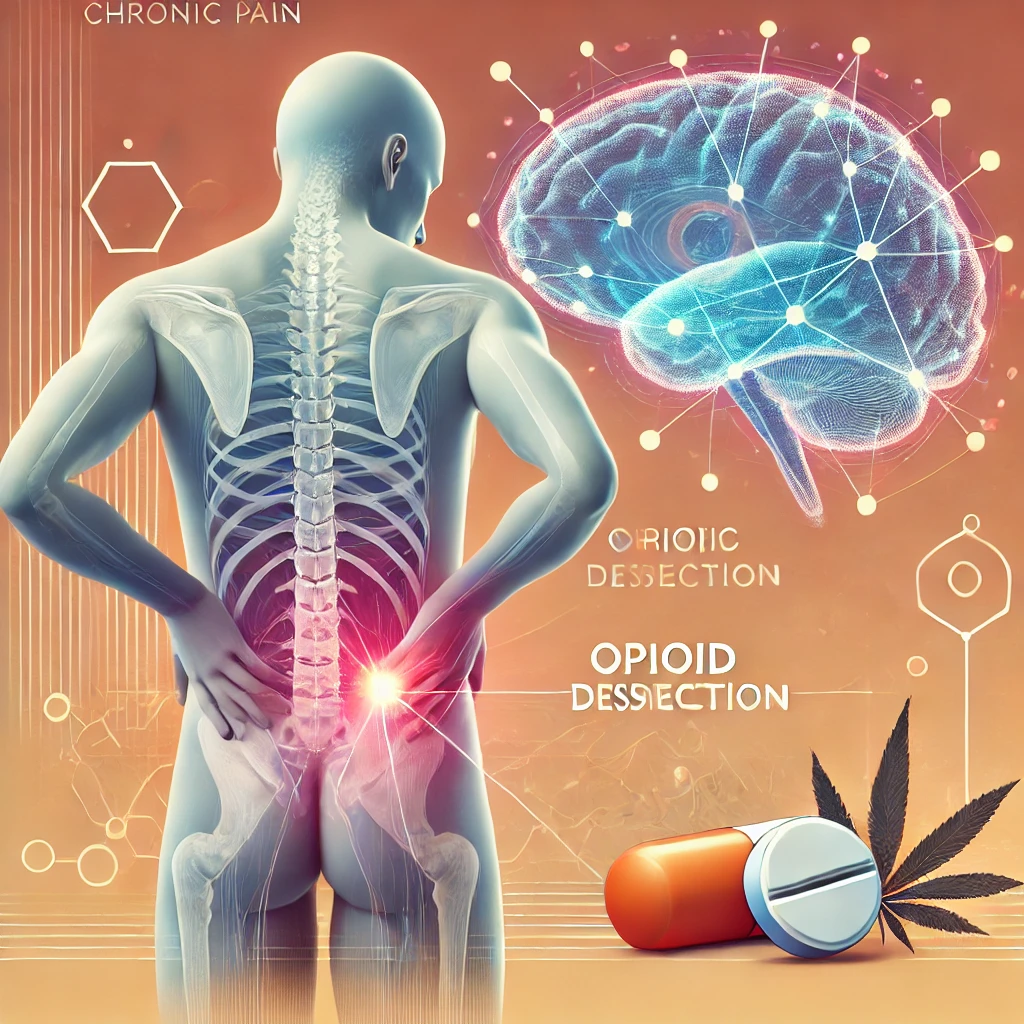
Chronic pain is defined as pain that lasts longer than three months. Unlike acute pain, which serves as a warning signal for injury, chronic pain persists beyond the typical healing period and can significantly diminish a person’s quality of life. It is not merely a physical sensation but also impacts mental and emotional well-being. Over time, the search for effective pain management can lead individuals to rely heavily on opioids.
How Opioids Work
Opioids act on specific receptors in the brain and spinal cord to reduce the perception of pain. They also trigger the release of dopamine, a neurotransmitter associated with pleasure and reward. This dual effect makes opioids highly effective for short-term pain relief but also creates a euphoric sensation that can lead to misuse.
The Cycle of Dependence
For some individuals, prolonged use of opioids results in tolerance, meaning higher doses are needed to achieve the same level of pain relief. This can quickly spiral into dependence, where the body begins to rely on the drug to function normally. Dependence often leads to withdrawal symptoms—such as nausea, anxiety, and muscle aches—when the medication is reduced or stopped. These symptoms can reinforce the need to continue taking opioids, perpetuating a dangerous cycle.
Risk Factors for Opioid Dependence
Not everyone who uses opioids for chronic pain will become dependent, but several factors increase the risk:
- Duration of Use: The longer opioids are used, the greater the risk of dependence.
- Dosage: Higher doses pose a greater risk of addiction.
- Personal History: Individuals with a history of substance abuse or mental health issues are more vulnerable.
- Lack of Alternative Treatments: When other pain management options are unavailable or ineffective, opioids may become the primary solution.
Breaking the Cycle: Alternative Pain Management
To combat the risk of opioid dependence, healthcare providers are increasingly turning to non-opioid pain management strategies. These include:
- Physical Therapy: Exercises and stretches can improve mobility and reduce pain.
- Cognitive Behavioral Therapy (CBT): Helps individuals manage the psychological impact of chronic pain.
- Non-Opioid Medications: Such as acetaminophen, NSAIDs, or certain antidepressants.
- Lifestyle Changes: Regular exercise, a balanced diet, and sufficient sleep can help reduce chronic pain symptoms.
- Interventional Procedures: Such as nerve blocks or spinal cord stimulation.
Seeking Help for Opioid Dependence
For those already struggling with opioid dependence, professional treatment is essential. Medication-assisted treatment (MAT) with drugs like buprenorphine or methadone can help manage withdrawal symptoms and reduce cravings. Behavioral therapies, support groups, and counseling can provide the tools needed for long-term recovery.
A Balanced Approach to Pain Management
Effectively managing chronic pain requires a holistic approach that considers both physical and emotional well-being. Open communication with healthcare providers is crucial to finding the right balance between pain relief and the risk of dependence. By exploring a range of treatment options, individuals can regain control over their lives without becoming reliant on opioids.
The connection between chronic pain and opioid dependence highlights the complexities of pain management. While opioids may provide short-term relief, they are not a long-term solution. Understanding the risks and exploring alternative treatments can empower individuals to take charge of their health and find safer, sustainable ways to manage pain.
If you or a loved one are struggling with addiction or mental health issues, please give us a call today at 855-952-3546