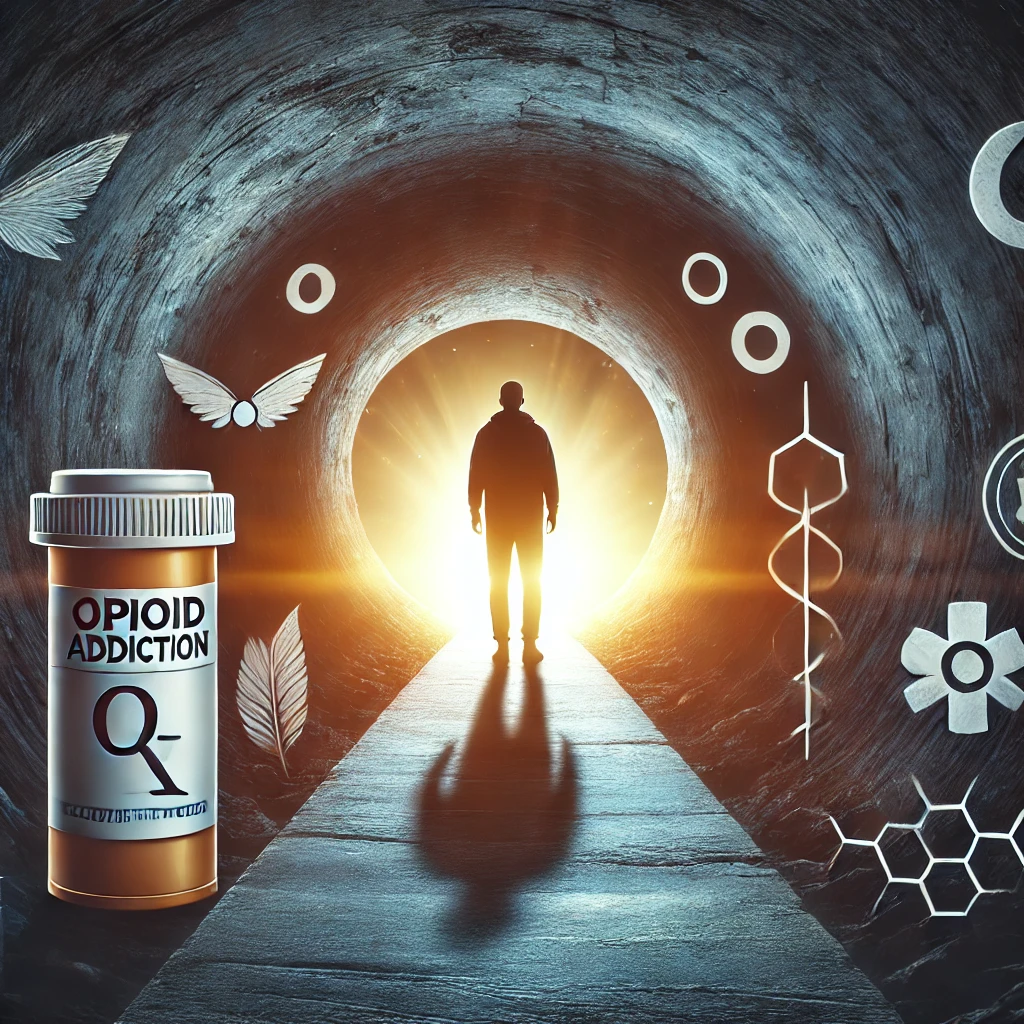
Opioid addiction is one of the most challenging substance use disorders to beat. It doesn’t just affect the brain’s reward system; it alters brain chemistry in ways that make quitting feel nearly impossible. Millions of people struggle with opioid dependency, whether from prescription painkillers or illicit drugs like heroin and fentanyl. But why is opioid addiction so hard to overcome? The answer lies in its effects on the brain, the severe withdrawal symptoms, and the emotional toll it takes on individuals trying to recover.
The Brain’s Dependence on Opioids
Opioids work by binding to receptors in the brain, blocking pain and triggering the release of dopamine, a neurotransmitter associated with pleasure. Over time, the brain adapts, requiring more of the drug to achieve the same effect. This is known as tolerance. Eventually, a person may take opioids not to feel high but just to feel normal. The changes in brain chemistry make it extremely difficult to stop using opioids without professional help.
The Horrors of Withdrawal
One of the biggest hurdles in overcoming opioid addiction is withdrawal. When someone dependent on opioids stops taking them, their body goes into a state of distress. Withdrawal symptoms can include:
- Extreme anxiety
- Nausea and vomiting
- Muscle aches and cramps
- Intense cravings
- Insomnia
- Sweating and chills
These symptoms can begin within hours of the last dose and may last for days or weeks. The sheer intensity of withdrawal often forces individuals back into using, even when they desperately want to quit.
The Psychological Grip of Addiction
Opioid addiction isn’t just physical—it’s also deeply psychological. Many people start using opioids due to chronic pain, trauma, or mental health conditions like depression and anxiety. The drug provides temporary relief from emotional suffering, making it even harder to give up. Without proper mental health support, the emotional distress of quitting can feel unbearable.
Social and Environmental Triggers
Addiction is rarely fought in isolation. People struggling with opioid use disorder often face social and environmental triggers that make staying clean difficult. Stress, peer pressure, and returning to places where they used opioids can quickly lead to relapse. Additionally, the stigma surrounding addiction may prevent people from seeking the help they need.
The Power of Fentanyl and Synthetic Opioids
The rise of fentanyl and other synthetic opioids has made addiction even deadlier. Fentanyl is 50 to 100 times more potent than morphine, and even a tiny dose can cause an overdose. Many people struggling with addiction don’t even realize they’re consuming fentanyl since it is often mixed with other drugs. This increases the risk of fatal overdoses and makes quitting even more daunting.
The Role of Medication-Assisted Treatment (MAT)
Breaking free from opioid addiction often requires medical intervention. Medication-assisted treatment (MAT) uses drugs like methadone, buprenorphine, and naltrexone to help manage withdrawal symptoms and cravings. These medications can make recovery more manageable, but they are not a cure. MAT is most effective when combined with therapy and support groups to address the psychological and behavioral aspects of addiction.
Seeking Help Is the First Step
Opioid addiction is incredibly difficult to overcome, but recovery is possible. Professional treatment programs provide medical detox, therapy, and long-term support to help individuals rebuild their lives. Support from family, friends, and addiction specialists can make all the difference in staying on the path to sobriety.
If you or someone you love is struggling with opioid addiction, don’t wait—seek help today. Recovery is tough, but with the right support, it is absolutely achievable.
If you or a loved one are struggling with addiction or mental health issues, please give us a call today at 855-952-3546