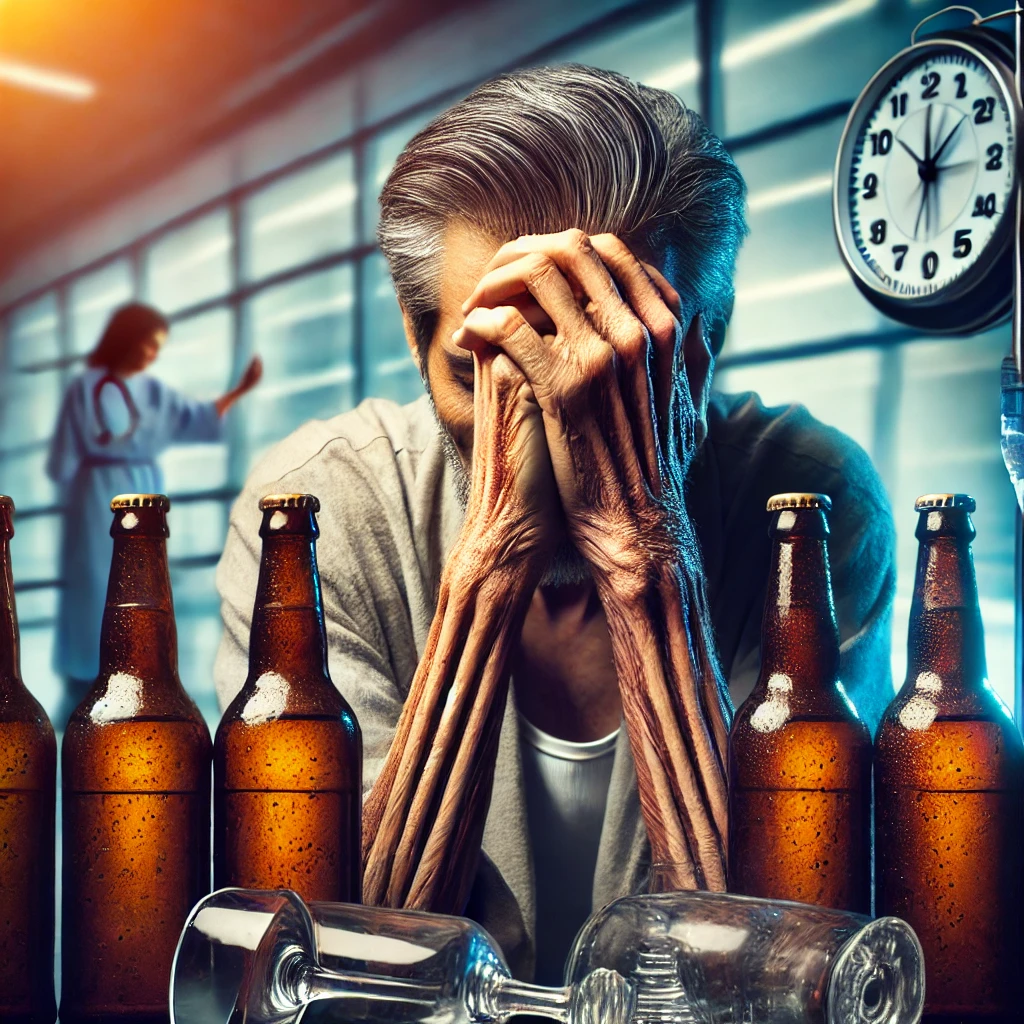
The Physical and Emotional Effects of Long-Term Alcohol Abuse
Long-term alcohol abuse can have a profound impact on both the physical and emotional health of an individual. While the short-term effects of alcohol consumption may seem manageable, the long-term consequences can lead to serious health conditions, behavioral changes, and emotional struggles. Understanding these effects can help individuals make more informed decisions about their alcohol consumption and encourage those suffering to seek help.
Physical Effects of Long-Term Alcohol Abuse
- Liver Damage
The liver is one of the first organs affected by alcohol consumption. Chronic drinking can lead to conditions such as fatty liver, alcoholic hepatitis, cirrhosis, and liver cancer. These conditions occur because the liver is responsible for breaking down alcohol, and excessive drinking can overwhelm its ability to process alcohol, leading to liver damage. - Cardiovascular Problems
Long-term alcohol abuse can cause significant damage to the heart and blood vessels. This includes an increased risk of high blood pressure, heart disease, stroke, and arrhythmias. Alcohol can also weaken the heart muscle, leading to a condition known as alcoholic cardiomyopathy, which affects the heart’s ability to pump blood effectively. - Brain Damage
Alcohol is a neurotoxin, and over time, it can cause lasting damage to the brain. Chronic alcohol abuse can impair cognitive function, memory, and decision-making abilities. It can also contribute to mental health issues like depression and anxiety. Additionally, prolonged alcohol use can result in a decrease in brain size, particularly in areas responsible for reasoning and judgment. - Weakened Immune System
Alcohol impairs the immune system, making the body more susceptible to infections and illnesses. It inhibits the production of white blood cells, which are crucial for fighting off pathogens. This can lead to an increased risk of respiratory infections, pneumonia, and even certain cancers, such as mouth and throat cancer. - Digestive Problems
Chronic alcohol consumption can lead to a range of gastrointestinal problems, including ulcers, pancreatitis, and digestive issues. Alcohol can irritate the stomach lining, increase acid production, and reduce the absorption of nutrients, which can lead to malnutrition.
Emotional Effects of Long-Term Alcohol Abuse
- Depression and Anxiety
Alcohol abuse is often linked to mental health disorders such as depression and anxiety. In the short term, alcohol may offer temporary relief from emotional distress, but over time, it can worsen these conditions. Alcohol alters brain chemistry and can exacerbate feelings of sadness, hopelessness, and nervousness. The cycle of drinking to cope with emotions often leads to a downward spiral. - Mood Swings and Aggression
Long-term alcohol abuse can cause significant fluctuations in mood. Many individuals experience heightened irritability, anger, and even aggression when they are intoxicated. This can damage relationships and lead to interpersonal conflicts, increasing stress and emotional turmoil. - Isolation and Loneliness
As alcohol abuse progresses, individuals may isolate themselves from friends, family, and social activities. This social withdrawal can lead to feelings of loneliness and despair. Over time, this isolation can deepen emotional struggles and make it harder for individuals to reach out for help. - Guilt and Shame
Those who are struggling with alcohol addiction often experience intense feelings of guilt and shame. They may feel regretful for their behavior while drinking, leading to low self-esteem and a negative self-image. These emotions can trap individuals in a cycle of self-doubt, making it harder for them to seek the support they need.
The Road to Recovery
While the physical and emotional effects of long-term alcohol abuse are severe, they are not irreversible. Seeking treatment, whether through inpatient or outpatient rehab, therapy, or support groups, can help individuals overcome addiction and begin the healing process. It’s important to reach out for help early and to address both the physical and emotional components of recovery.
If you or a loved one are struggling with addiction or mental health issues, please give us a call today at 855-952-3546