Overcoming Stigma Around Alcohol Addiction Treatment in Montana
Alcohol addiction is a pervasive issue in Montana, as in many other states. Despite its widespread impact, seeking treatment often carries a heavy stigma. This stigma can prevent individuals from taking the first, crucial step toward recovery. By breaking down misconceptions, fostering open conversations, and encouraging supportive communities, Montanans can create a path to overcoming this barrier.
The Reality of Alcohol Addiction in Montana
Montana’s rugged beauty and close-knit communities are both its strength and challenge. While small-town camaraderie is a source of pride, it can also create an environment where individuals fear judgment from their peers. In Montana, alcohol use is deeply ingrained in social and cultural settings, often seen as a way to bond or unwind. However, this normalization can make it difficult to recognize when alcohol consumption crosses the line into addiction.
Statistics highlight the severity of the issue. Montana consistently ranks among states with the highest rates of binge drinking. According to recent data, nearly one in four adults in Montana engages in excessive alcohol consumption. Despite these numbers, the rate of individuals seeking treatment remains disproportionately low.
Why Stigma Exists
Stigma around alcohol addiction stems from several misconceptions:
- Addiction is a moral failing: Many believe that those struggling with addiction lack willpower or self-control. This outdated view ignores the biological, psychological, and social factors that contribute to addiction.
- Fear of judgment: Small-town dynamics in Montana often mean that everyone knows everyone. The fear of becoming the subject of gossip can deter individuals from seeking help.
- Lack of understanding: There is a significant gap in education about addiction as a medical condition. Without proper awareness, people may fail to recognize addiction as a treatable health issue.
Changing the Narrative
To reduce stigma, education and compassion are key. Here are some steps Montanans can take to promote understanding and acceptance:
- Educate about addiction: Highlight the science behind addiction, emphasizing that it is a medical condition rather than a character flaw. Resources from organizations like the Substance Abuse and Mental Health Services Administration (SAMHSA) can provide valuable insights.
- Share success stories: Personal stories of recovery can inspire hope and demonstrate that treatment works. Hearing from individuals who have walked the path to sobriety can normalize the process and reduce fear.
- Encourage open dialogue: Families, schools, and community groups can foster conversations about alcohol use and its impacts. Normalizing discussions around addiction and mental health makes it easier for people to seek help.
- Promote local resources: Montana offers several treatment centers and support groups that provide a judgment-free environment. Highlighting these options can empower individuals to take action.
Finding Help in Montana
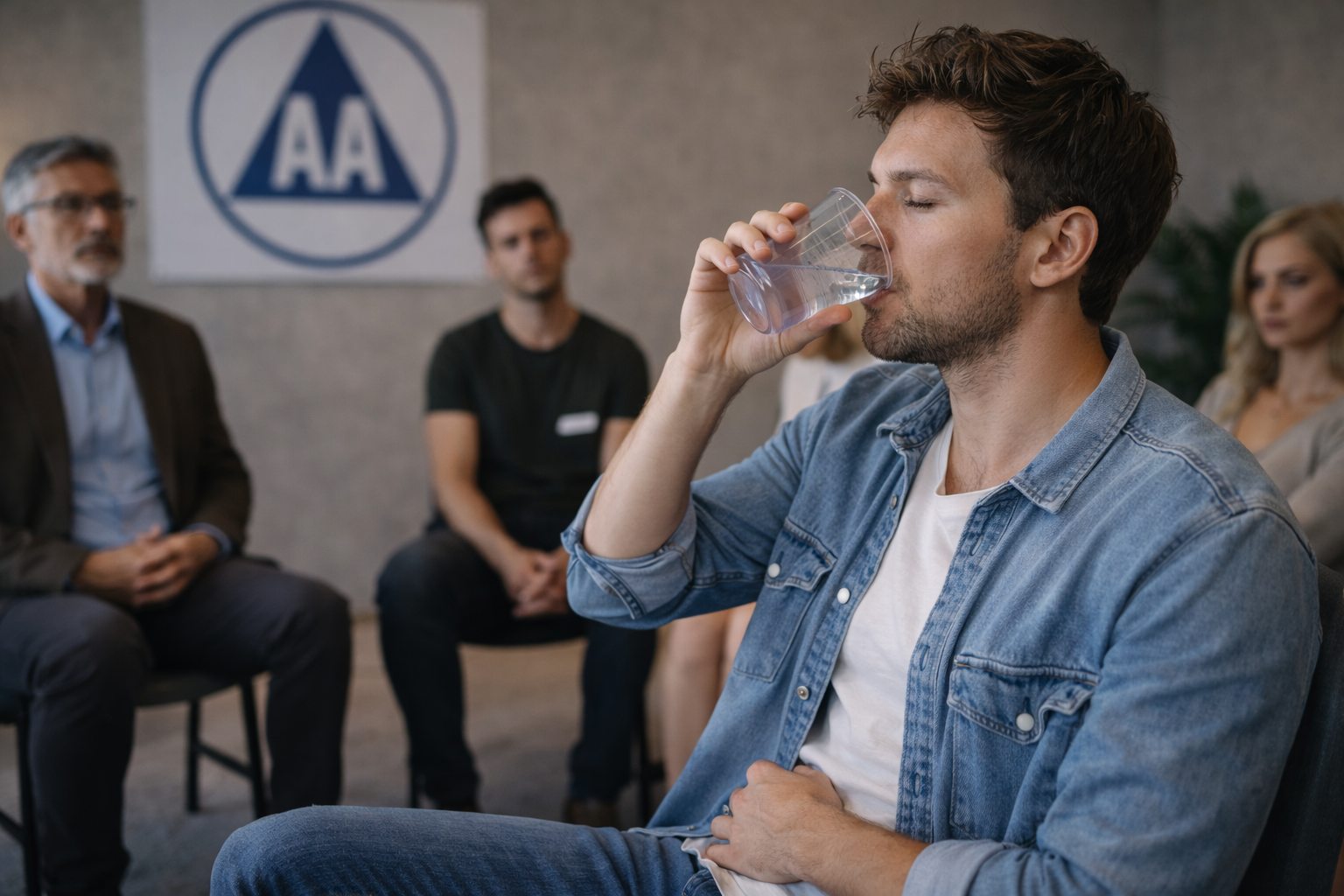
For those ready to seek treatment, Montana has a variety of resources. From inpatient rehab facilities to outpatient counseling services, there are options tailored to individual needs. Additionally, support groups like Alcoholics Anonymous (AA) provide a sense of community and accountability.
Montana’s treatment centers often combine evidence-based therapies with holistic approaches that resonate with the state’s outdoor lifestyle. For example, nature therapy and equine-assisted therapy are popular methods used to complement traditional counseling.
Building a Supportive Community
Overcoming stigma is not solely the responsibility of those affected by addiction. It requires a collective effort from the entire community. Here are ways Montanans can help:
- Be empathetic: Treat addiction with the same compassion as any other illness. Offer support instead of judgment.
- Challenge stereotypes: Speak up when you hear misinformation or negative remarks about addiction and recovery.
- Support treatment initiatives: Advocate for local programs and policies that expand access to addiction treatment.
A Brighter Future
By addressing stigma head-on, Montana can pave the way for a healthier, more supportive environment for those battling alcohol addiction. Recovery is possible, and seeking help should be a source of pride, not shame. Together, Montanans can create a culture that values healing and understands that no one should face addiction alone.
If you or a loved one are struggling with addiction or mental health issues, please give us a call today at 855-952-3546