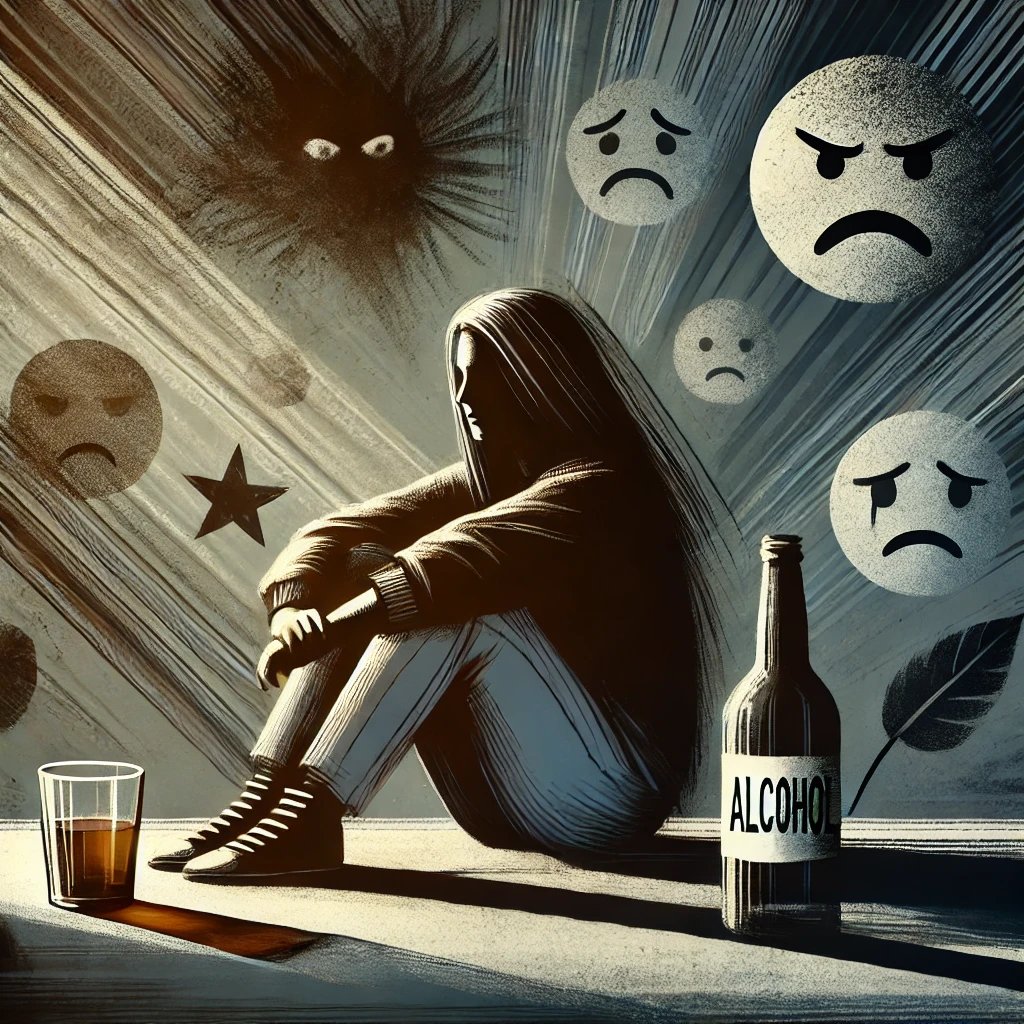
Risks of Self-Medicating with Alcohol: What You Need to Know
Self-medication is a common coping mechanism for individuals experiencing emotional or mental health struggles. While it may seem like a quick fix, using alcohol as a way to self-medicate comes with significant risks. Alcohol is often used to numb feelings of anxiety, depression, and stress, but relying on it as a coping mechanism can create long-term physical, emotional, and psychological harm.
The Appeal of Self-Medicating with Alcohol
For many people, alcohol offers an immediate sense of relief. It temporarily dulls emotional pain, reduces anxiety, and provides an escape from overwhelming thoughts. Whether it’s a glass of wine after a stressful day or more frequent use in social situations, alcohol can seem like an effective way to manage life’s difficulties. But this relief is only short-term, and the consequences can be dangerous.
Risk 1: Development of a Dependence
The most significant risk of using alcohol to self-medicate is the potential for developing a dependence. As individuals continue to drink to cope with their emotions, they build a tolerance to alcohol, requiring more to achieve the same effects. This can lead to binge drinking, where the individual consumes excessive amounts of alcohol, further increasing the risk of addiction.
Dependence on alcohol doesn’t just affect physical health—it impacts mental health as well. People who self-medicate with alcohol often find that their ability to manage stress, anxiety, and depression without alcohol becomes more difficult over time, making it harder to stop.
Risk 2: Worsening Mental Health Symptoms
While alcohol may seem to offer temporary relief, it actually exacerbates underlying mental health issues. Alcohol is a depressant, meaning it can increase feelings of sadness, anxiety, and hopelessness once the initial effects wear off. In fact, studies show that alcohol use can worsen existing conditions like depression, anxiety, and post-traumatic stress disorder (PTSD).
People who self-medicate with alcohol may find that their emotional distress intensifies, and over time, they may require more alcohol to manage their symptoms. This creates a vicious cycle of worsening mental health and increasing alcohol consumption.
Risk 3: Impaired Decision-Making and Judgment
Alcohol impairs cognitive function, which can significantly affect decision-making and judgment. When people drink to cope with emotional pain, they are more likely to make poor choices that can have serious consequences—whether it’s in their personal relationships, career, or safety.
For example, alcohol can lead to reckless behavior, including unsafe driving, risky sexual behavior, or even self-harm. Self-medication with alcohol makes it harder to think clearly, increasing the likelihood of making decisions that could harm yourself or others.
Risk 4: Physical Health Complications
Regular self-medication with alcohol takes a toll on the body. Alcohol use can cause liver damage, cardiovascular problems, and gastrointestinal issues. Heavy drinking also weakens the immune system, making individuals more susceptible to illness. The longer alcohol is used as a coping mechanism, the greater the risk of developing serious health conditions, such as alcohol-related liver disease, high blood pressure, or even alcohol poisoning.
Furthermore, alcohol interferes with sleep cycles, making it harder to achieve restorative rest. This can compound feelings of fatigue, irritability, and poor mental health, making it even more challenging to break the cycle of self-medication.
Risk 5: Strained Relationships
Self-medicating with alcohol can take a toll on relationships. Family, friends, and loved ones may begin to notice changes in behavior, such as irritability, mood swings, or withdrawing from social activities. Over time, this can lead to isolation and tension within relationships, as people struggling with alcohol use may push away those who care about them.
The emotional toll of strained relationships can further fuel the cycle of self-medication, as individuals turn to alcohol to cope with feelings of loneliness or rejection.
The Importance of Seeking Professional Help
Self-medicating with alcohol may feel like a quick solution, but it ultimately harms both your physical and mental well-being. If you find yourself using alcohol to cope with emotional pain or mental health issues, it’s important to reach out for professional help.
Therapists, counselors, and addiction specialists can help address the underlying causes of emotional distress and teach healthier coping mechanisms. Support groups, such as Alcoholics Anonymous (AA), can provide community and encouragement as you navigate the path to recovery.
It’s crucial to understand that seeking help is a sign of strength, not weakness. There are resources available that can support you on your journey to recovery, helping you regain control over your life and health.
While alcohol may provide temporary relief, it comes with a long list of risks, including addiction, worsened mental health, impaired decision-making, and physical health issues. Rather than turning to alcohol for self-medication, consider seeking professional help to address your underlying struggles and develop healthier coping strategies. By doing so, you’ll be better equipped to navigate life’s challenges and improve your overall well-being.
If you or a loved one are struggling with addiction or mental health issues, please give us a call today at 855-952-3546