How Alcohol Use Disorders Impact Sleep
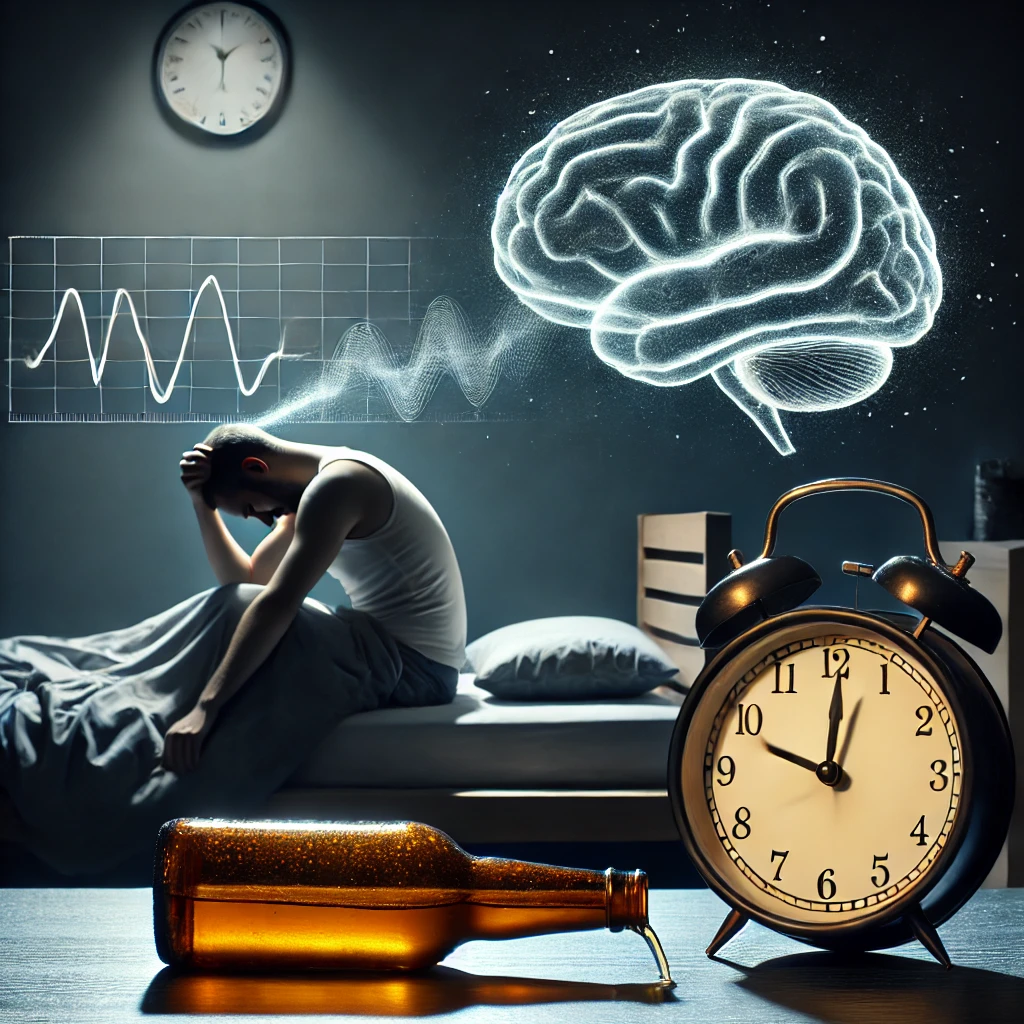
Alcohol use disorders can significantly affect sleep, disrupting natural sleep cycles and causing both short-term and long-term sleep-related problems. Understanding the relationship between alcohol and sleep is essential for individuals struggling with alcohol use, as well as for those who seek to support loved ones experiencing these issues.
Alcohol’s Effect on Sleep Cycles
When alcohol is consumed, it initially acts as a sedative, helping people fall asleep faster. However, this initial feeling of relaxation is misleading. While alcohol might promote drowsiness, it significantly disrupts the later stages of the sleep cycle, particularly the REM (Rapid Eye Movement) sleep phase, which is essential for rest and recovery. REM sleep is crucial for cognitive functions such as memory consolidation, problem-solving, and emotional regulation. Interruptions to this phase can leave individuals feeling unrested, even after a full night’s sleep.
Short-Term Effects on Sleep
In the short term, alcohol can cause fragmented sleep. Although a person may fall asleep quickly, alcohol prevents the deep restorative stages of sleep from occurring. As the body processes alcohol throughout the night, withdrawal symptoms begin, leading to frequent awakenings. These disruptions contribute to feelings of fatigue and irritability the following day. The more alcohol is consumed, the worse the sleep quality becomes, leading to a cycle of poor sleep and increased alcohol consumption as individuals may turn to alcohol again to “help” them sleep.
Long-Term Impact of Alcohol Use on Sleep
For those with alcohol use disorders, the long-term effects on sleep are even more severe. Chronic alcohol use can lead to chronic insomnia, a condition where individuals experience difficulty falling or staying asleep on most nights. The brain becomes conditioned to rely on alcohol for sleep, making it increasingly difficult to sleep without it. Over time, this dependency creates a vicious cycle where alcohol use worsens sleep quality, and poor sleep fuels further alcohol consumption.
Furthermore, individuals with alcohol use disorders often experience an increased risk of sleep apnea, a condition where breathing repeatedly stops and starts during sleep. Alcohol relaxes the muscles of the throat, exacerbating this condition. People with sleep apnea often snore loudly and wake up feeling tired, which can severely impact daily functioning and overall well-being.
Impact on Mental and Physical Health
The impact of alcohol on sleep extends beyond just feeling tired the next day. Poor sleep due to alcohol can contribute to various mental health issues, including anxiety, depression, and irritability. When people do not get adequate sleep, their ability to regulate emotions and cope with stress diminishes. This can further fuel alcohol consumption as individuals turn to alcohol as a coping mechanism.
Physically, the lack of restful sleep associated with alcohol use disorders can impair immune function, increase inflammation, and negatively affect cardiovascular health. Chronic alcohol-induced sleep disturbances have also been linked to a greater risk of developing chronic conditions such as hypertension and diabetes.
Breaking the Cycle
The good news is that it is possible to break the cycle of alcohol use and sleep disturbances. Treatment options such as cognitive behavioral therapy (CBT), lifestyle changes, and support from healthcare professionals can help individuals regain healthy sleep patterns. Additionally, seeking help for alcohol use disorders through rehabilitation and therapy is crucial for long-term recovery. By addressing both the alcohol use and sleep issues simultaneously, individuals can restore their health and improve their overall well-being.
Alcohol use disorders can severely disrupt sleep, leading to both immediate and long-lasting consequences. From poor sleep quality and insomnia to more serious conditions like sleep apnea, alcohol has a profound impact on the body’s ability to rest and recover. Addressing these issues is crucial for improving health and well-being, and with the right support and treatment, individuals can break free from the cycle of alcohol use and sleep disturbances.
If you or someone you know is struggling with alcohol use and sleep issues, reaching out to a healthcare professional or addiction specialist is an essential first step toward recovery.
If you or a loved one are struggling with addiction or mental health issues, please give us a call today at 855-952-3546