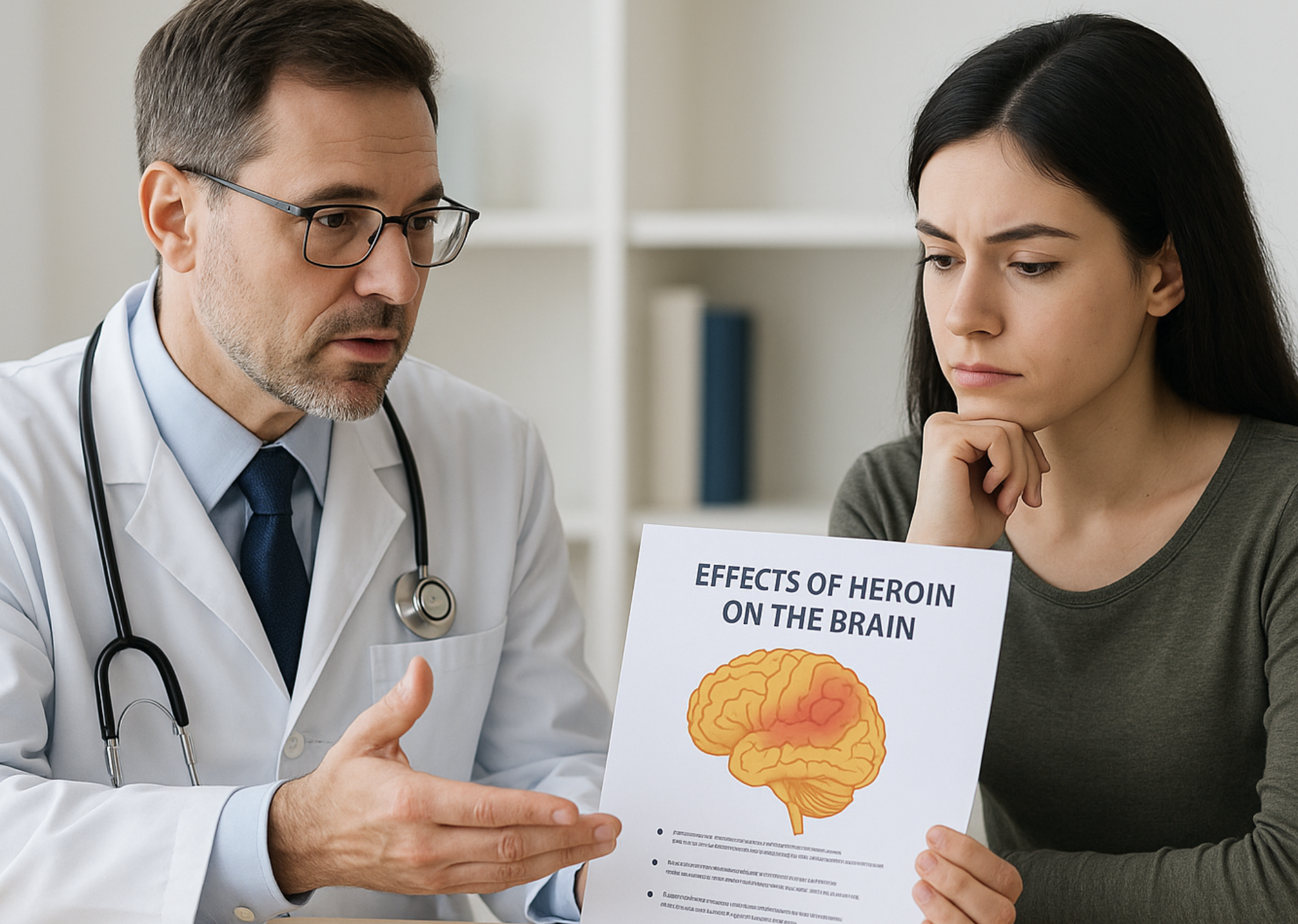
Heroin withdrawal can be a difficult and painful process. If you or someone you know is dealing with heroin withdrawal, it’s important to understand what to expect and how to get help. This blog will break down the symptoms of heroin withdrawal and offer insight into what people typically experience as they go through this challenging time.
Understanding Heroin Withdrawal
Heroin is an opioid drug, and its withdrawal can be extremely intense due to the way it affects the body and brain. When someone stops using heroin, their body reacts because it has become dependent on the drug. This dependence happens because heroin alters the brain’s chemistry, and over time, the body adapts to its presence. When that drug is no longer available, the brain and body go into withdrawal.
The Timeline of Heroin Withdrawal
The heroin withdrawal timeline varies from person to person, but the symptoms typically start within six to 12 hours of the last dose. The first symptoms tend to be mild and include anxiety, agitation, and muscle aches. Over the next 48 to 72 hours, these symptoms can intensify, and physical and emotional discomfort increases. For many people, the acute withdrawal phase can last anywhere from one to two weeks.
However, the intensity of heroin withdrawal symptoms decreases as time goes on. After the first few days, the withdrawal process becomes more manageable, although some emotional symptoms, like anxiety and depression, can persist for weeks or even months.
Common Symptoms of Heroin Withdrawal
Heroin withdrawal symptoms can be both physical and psychological. Here’s a closer look at the symptoms you might experience:
Physical Symptoms
- Muscle Aches and Pains – One of the first signs of withdrawal is muscle pain or stiffness, which can make it hard to move or relax.
- Nausea and Vomiting – Many individuals experience nausea, vomiting, and stomach cramps, making eating and drinking difficult.
- Sweating and Chills – Alternating between hot flashes and chills is a common symptom. Your body will often feel sweaty, but you may also experience goosebumps or intense cold sweats.
- Runny Nose and Watery Eyes – Just like having a cold, you might notice a runny nose and watery eyes during withdrawal.
- Insomnia – Sleep problems are common, with many people experiencing difficulty falling or staying asleep.
- Diarrhea – Frequent bowel movements and diarrhea can contribute to dehydration and further discomfort during withdrawal.
Psychological Symptoms
- Anxiety and Agitation – Anxiety levels spike, and people often feel restless, irritable, and emotionally overwhelmed.
- Depression – The emotional toll of heroin withdrawal can bring on feelings of deep sadness or hopelessness.
- Cravings – The overwhelming urge to use heroin again is a powerful psychological symptom that can make withdrawal especially difficult to manage.
- Difficulty Concentrating – People going through withdrawal may find it hard to focus, which can make everyday tasks feel even more challenging.
How to Manage Heroin Withdrawal
The best way to manage heroin withdrawal is through a medically supervised detox program. These programs provide individuals with the support and medication needed to reduce the severity of withdrawal symptoms and ensure a safer and more comfortable detox process. Medical professionals can help manage symptoms with medications such as methadone or buprenorphine, which help reduce cravings and alleviate some of the discomfort associated with withdrawal.
It’s also important to stay hydrated, rest, and eat nutritious food during this time to help the body recover. Support from friends, family, or a counselor can also help manage the psychological symptoms.
Long-Term Recovery
After heroin withdrawal, the recovery process is far from over. Many people who go through heroin withdrawal also face long-term struggles with cravings, mental health issues, and rebuilding their lives. It’s essential to seek ongoing support, either through therapy, counseling, or support groups, to help maintain sobriety and address underlying issues like depression or anxiety that may have contributed to drug use in the first place.
Heroin withdrawal is a difficult journey, but it is possible to get through it with the right support and treatment. Understanding what to expect can help prepare you or your loved one for the challenges ahead. If you or someone you know is struggling with heroin addiction or withdrawal, don’t hesitate to reach out for help. Medical professionals, therapists, and recovery centers are there to provide the necessary tools to overcome addiction and begin the road to recovery.
If you or a loved one are struggling with addiction or mental health issues, please give us a call today at 855-952-3546