The Link Between Heroin Use and Overdose Prevention Efforts
Heroin use remains a significant public health crisis, contributing to an alarming number of opioid-related overdose deaths across the world. While heroin abuse is a well-documented issue, what is less discussed is the critical role that overdose prevention efforts play in saving lives. These interventions, such as naloxone (Narcan) distribution, education programs, and harm reduction strategies, are essential tools in the fight against heroin overdoses.
Understanding the Heroin Crisis
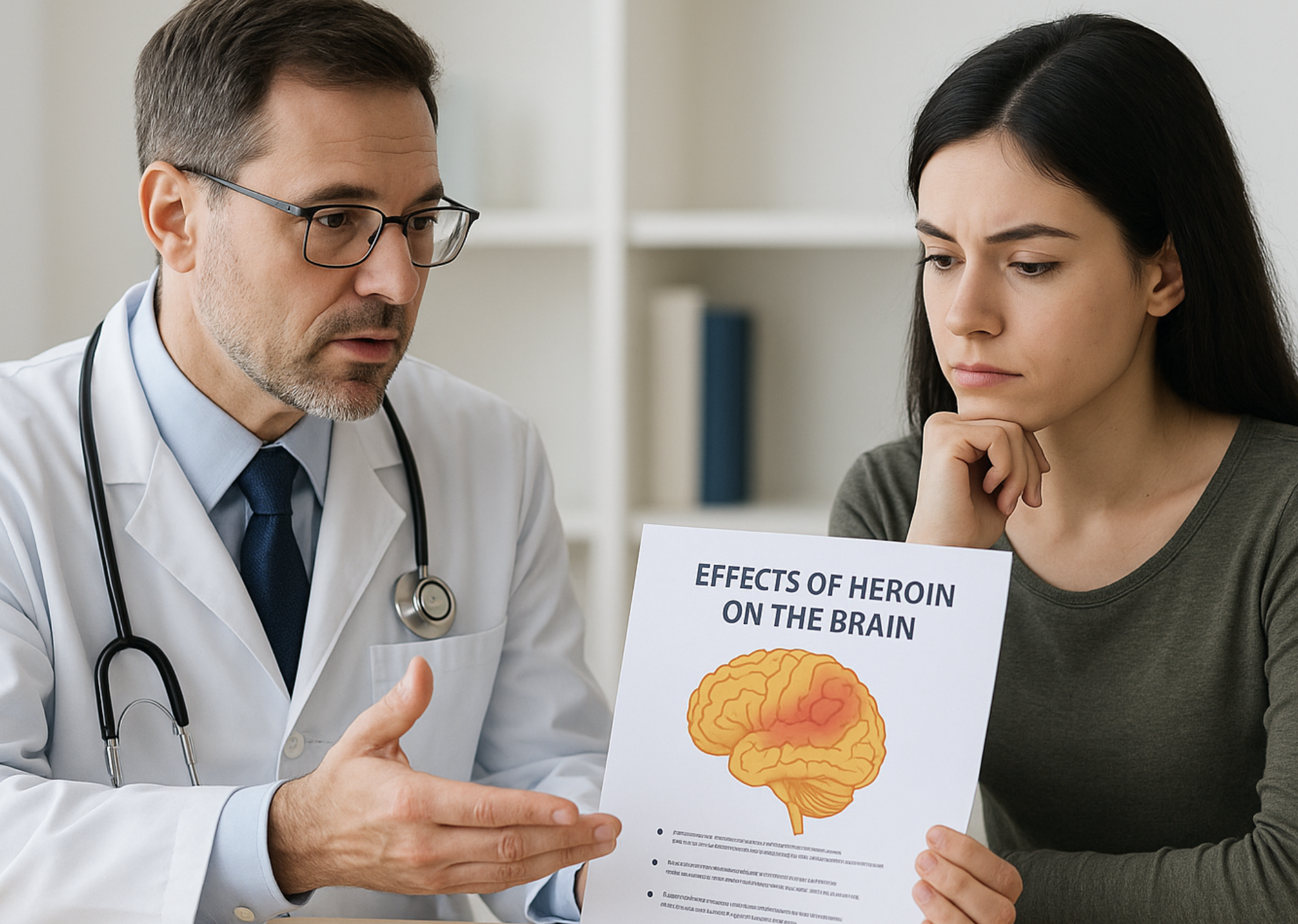
Heroin, a potent opioid, has devastating effects on the brain and body. When used, it creates an intense euphoria followed by a state of relaxation, which quickly leads to physical dependence and addiction. One of the most dangerous aspects of heroin use is the risk of overdose, which occurs when the drug suppresses breathing to the point of respiratory failure. Overdose deaths from heroin are a significant part of the opioid epidemic, with fentanyl—an even more potent synthetic opioid—often mixed with heroin, further escalating the risk.
The tragic reality is that heroin use and overdose deaths are preventable. Understanding the role of overdose prevention strategies can make a profound difference in saving lives.
Overdose Prevention and Its Importance
In response to the opioid crisis, healthcare systems, public health organizations, and advocacy groups have ramped up efforts to address heroin use and prevent fatal overdoses. A key strategy in overdose prevention is the widespread distribution of naloxone, a life-saving medication that can rapidly reverse opioid overdoses. Naloxone, commonly known by its brand name Narcan, works by blocking the effects of heroin and other opioids on the brain’s receptors, thereby restoring normal breathing in individuals who have overdosed.
Training individuals—especially those in high-risk communities such as people who use heroin or those with loved ones affected by addiction—on how to administer naloxone can significantly reduce the number of deaths. Many harm reduction programs offer free naloxone kits, and several states have enacted standing orders, allowing pharmacies to dispense naloxone without a prescription.
Education and Awareness Programs
Beyond distributing naloxone, education plays a crucial role in overdose prevention. Awareness programs aimed at educating the public about the risks of heroin use, recognizing the signs of overdose, and understanding the steps to take in an emergency situation are vital. These programs often partner with local communities, schools, and addiction recovery groups to reduce the stigma around addiction and increase understanding of the resources available.
Moreover, teaching people about safer drug use practices, including the use of fentanyl test strips and never using alone, can empower individuals to make informed decisions that reduce their risk of overdose.
The Role of Harm Reduction Strategies
Harm reduction is a public health approach focused on minimizing the negative effects of drug use rather than solely aiming for abstinence. This approach includes syringe exchange programs, supervised injection sites (in select locations), and access to substance use treatment. These programs provide a critical support network for people who use heroin, helping them stay alive while also offering opportunities for long-term recovery.
Research has shown that harm reduction strategies not only decrease the number of overdose deaths but also create pathways to treatment and recovery for individuals struggling with addiction. By providing a non-judgmental environment and resources such as counseling and medical care, harm reduction programs help individuals take the first step toward rehabilitation.
A Call to Action
As the heroin crisis continues to affect communities across the world, it is vital to continue advocating for overdose prevention efforts. Increasing access to naloxone, expanding harm reduction programs, and providing education are all steps in the right direction. But more can be done—supporting legislative action, promoting the de-stigmatization of addiction, and ensuring comprehensive treatment options for those in need are essential to combating the heroin epidemic and saving lives.
Every overdose prevented is a life saved. And every effort, big or small, helps to build a safer and healthier future for all.
If you or a loved one are struggling with addiction or mental health issues, please give us a call today at 855-952-3546