Community Efforts to Curb Fentanyl Overdoses: Success Stories
The battle against fentanyl, a potent synthetic opioid up to 50 times stronger than heroin, has taken a significant toll on communities across the United States. However, amidst the daunting statistics, there are uplifting stories of community resilience and proactive efforts that have successfully curbed the rise of fentanyl overdoses. This blog highlights some of those success stories, underscoring the power of community action in tackling this severe public health crisis.
The Power of Narcan Distribution
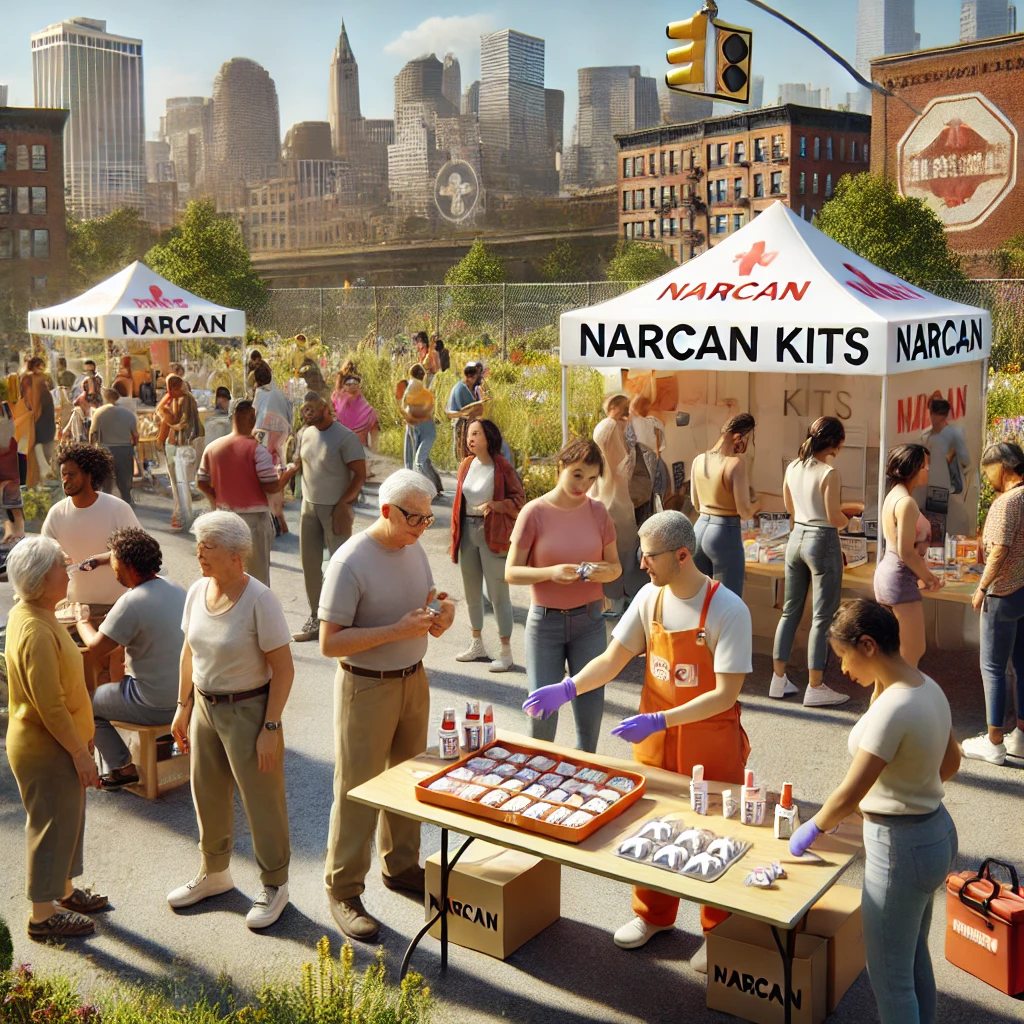
In many cities, local governments have partnered with health organizations to increase the availability of Naloxone, commonly known by its brand name Narcan, a life-saving drug that can reverse opioid overdoses. For instance, a program in Baltimore has been particularly successful. The city’s health department has set up Naloxone training for residents and distributed thousands of Naloxone kits at no cost. Since the inception of this initiative, Baltimore has seen a notable decrease in opioid-related deaths, demonstrating the efficacy of widespread Narcan accessibility.
Community Education and Outreach Programs
Education plays a critical role in preventing fentanyl overdoses. Many communities have developed outreach programs aimed at schools, workplaces, and local events to educate the public about the dangers of fentanyl and the importance of recognizing the signs of an overdose. For example, in Ohio, community groups have launched an educational campaign that includes workshops and informational sessions that teach people how to administer Narcan. The program also focuses on the stigma surrounding addiction, encouraging a more compassionate community response, which has been pivotal in saving lives.
Support Groups and Recovery Programs
Support groups and long-term recovery programs are vital for sustainable change. Communities that have integrated support networks with access to mental health resources have reported lower relapse rates and improved recovery outcomes. A notable success story comes from a small town in Massachusetts, where a community-based recovery program has not only helped reduce the rate of fentanyl use but also fostered a supportive community that helps individuals maintain sobriety.
Law Enforcement and Healthcare Collaboration
Effective collaboration between law enforcement and healthcare providers has led to innovative approaches to address the fentanyl crisis. In California, police departments have teamed up with public health officials to create a task force aimed at cutting the supply chains of illicit drugs while providing recovery and treatment options to those affected. This dual approach has led to a significant reduction in overdose incidents in several counties.
Technology-Driven Solutions
Technology has also played a crucial role in combating the fentanyl crisis. Several communities have adopted digital tools to track overdose outbreaks in real time, enabling quick response and prevention efforts. Mobile apps that provide information on the nearest Naloxone kits have been instrumental in several urban areas, allowing bystanders to act quickly during overdose situations.
These stories of success are a testament to the power of community engagement and the impact of coordinated efforts in the fight against fentanyl overdoses. While the road to eradicating this epidemic is long, the resilience and innovation demonstrated by communities provide hope and a framework for others to replicate.
As we continue to fight against fentanyl and other opioid overdoses, it is clear that community efforts are not just beneficial; they are essential. By coming together, sharing resources, and fostering an environment of education and support, communities can and are making a difference in this ongoing battle.
If you or a loved one are struggling with addiction or mental health issues, please give us a call today at 855-952-3546