Xanax Addiction: Understanding the Risks of Misuse
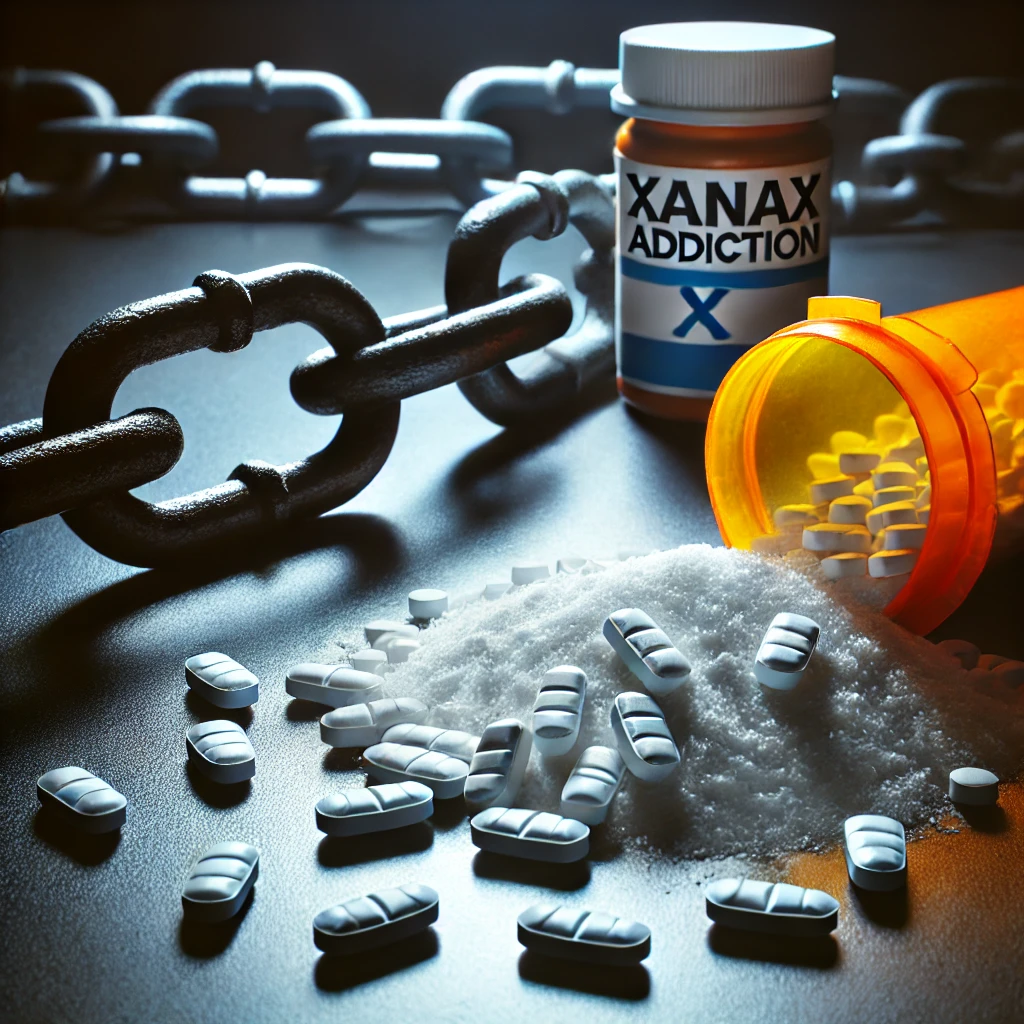
Xanax, a brand name for alprazolam, is a medication commonly prescribed to treat anxiety and panic disorders. It belongs to a class of drugs known as benzodiazepines, which work by calming the brain and central nervous system. While Xanax can be highly effective when used properly and under medical supervision, it also carries significant risks for misuse and addiction.
What is Xanax?
Xanax is often prescribed to individuals who suffer from severe anxiety or panic attacks. The drug works by enhancing the effects of a neurotransmitter called gamma-aminobutyric acid (GABA), which has a calming effect on the brain. For those struggling with anxiety, this effect can provide much-needed relief, allowing them to function more comfortably in everyday situations.
However, when taken outside the prescribed dose or for a longer duration than recommended, Xanax can quickly lead to dependence and addiction. The drug’s calming effects are highly sought after, leading some individuals to misuse it for recreational purposes or as a means to cope with stress, depression, or insomnia.
The Risks of Xanax Misuse
Xanax misuse can have serious consequences. While some people may initially take Xanax as prescribed, they may begin to abuse it in an attempt to enhance its calming effects or to escape from personal issues. This misuse can occur in various ways:
- Taking higher doses than prescribed: Some individuals may take larger amounts of Xanax to experience a more intense calming effect. However, this increases the risk of overdose and dangerous side effects.
- Combining Xanax with other substances: People often mix Xanax with alcohol or other drugs in an attempt to amplify the effects, but this can be a deadly combination. Both alcohol and Xanax depress the central nervous system, which can lead to respiratory failure, coma, or death.
- Using Xanax without a prescription: Some individuals may obtain Xanax illegally or use someone else’s prescription. This increases the risk of incorrect dosage and potential overdose.
Signs of Xanax Addiction
Addiction to Xanax is a serious condition that can have devastating effects on an individual’s life. Recognizing the signs of addiction early on can help prevent further harm and seek appropriate treatment. Common signs of Xanax addiction include:
- Building a tolerance: Over time, individuals who misuse Xanax may need higher doses to achieve the same effects, which increases the risk of overdose.
- Cravings: People addicted to Xanax often experience intense cravings for the drug and may go to great lengths to obtain it.
- Inability to stop using: Even if an individual wants to stop taking Xanax, they may find it difficult due to withdrawal symptoms such as anxiety, tremors, seizures, and panic attacks.
- Neglecting responsibilities: Addiction can cause individuals to neglect their personal, professional, and social responsibilities as they focus more on obtaining and using Xanax.
- Physical symptoms: Individuals with Xanax addiction may experience memory problems, confusion, dizziness, and difficulty concentrating.
The Dangers of Xanax Addiction
Xanax addiction can lead to a number of serious physical and mental health problems. Some of the most dangerous risks of prolonged misuse include:
- Overdose: Taking large doses of Xanax or combining it with other substances can lead to a life-threatening overdose. Symptoms of overdose include extreme drowsiness, slow breathing, confusion, and loss of consciousness.
- Withdrawal: When someone who is addicted to Xanax stops using it suddenly, they may experience withdrawal symptoms that can be extremely uncomfortable or even dangerous. These symptoms can include seizures, tremors, sweating, anxiety, and in severe cases, death.
- Mental health issues: Long-term misuse of Xanax can exacerbate mental health conditions such as depression, anxiety, and suicidal thoughts. Ironically, while Xanax is intended to treat anxiety, misuse can worsen these conditions over time.
Getting Help for Xanax Addiction
If you or someone you know is struggling with Xanax addiction, it’s important to seek professional help. Treatment for Xanax addiction often involves a combination of therapy, support groups, and in some cases, medication to help manage withdrawal symptoms and reduce cravings.
Inpatient and outpatient rehabilitation programs can provide the support and structure needed to break free from Xanax addiction. Cognitive-behavioral therapy (CBT) is commonly used to help individuals understand the underlying causes of their addiction and develop healthier coping strategies.
If you are concerned about Xanax addiction, don’t hesitate to reach out for help. Early intervention can significantly improve the chances of recovery and reduce the risks associated with long-term misuse.
If you or a loved one are struggling with addiction or mental health issues, please give us a call today at 855-952-3546