Heroin Detox
Heroin addiction is a powerful and devastating condition, affecting millions of people worldwide. The road to recovery is not easy, and one of the most critical steps in overcoming addiction is heroin detox. Heroin detox, however, should never be attempted alone. Medical supervision during this process is absolutely essential to ensure safety, comfort, and the best possible outcome.
The Dangers of Heroin Detox
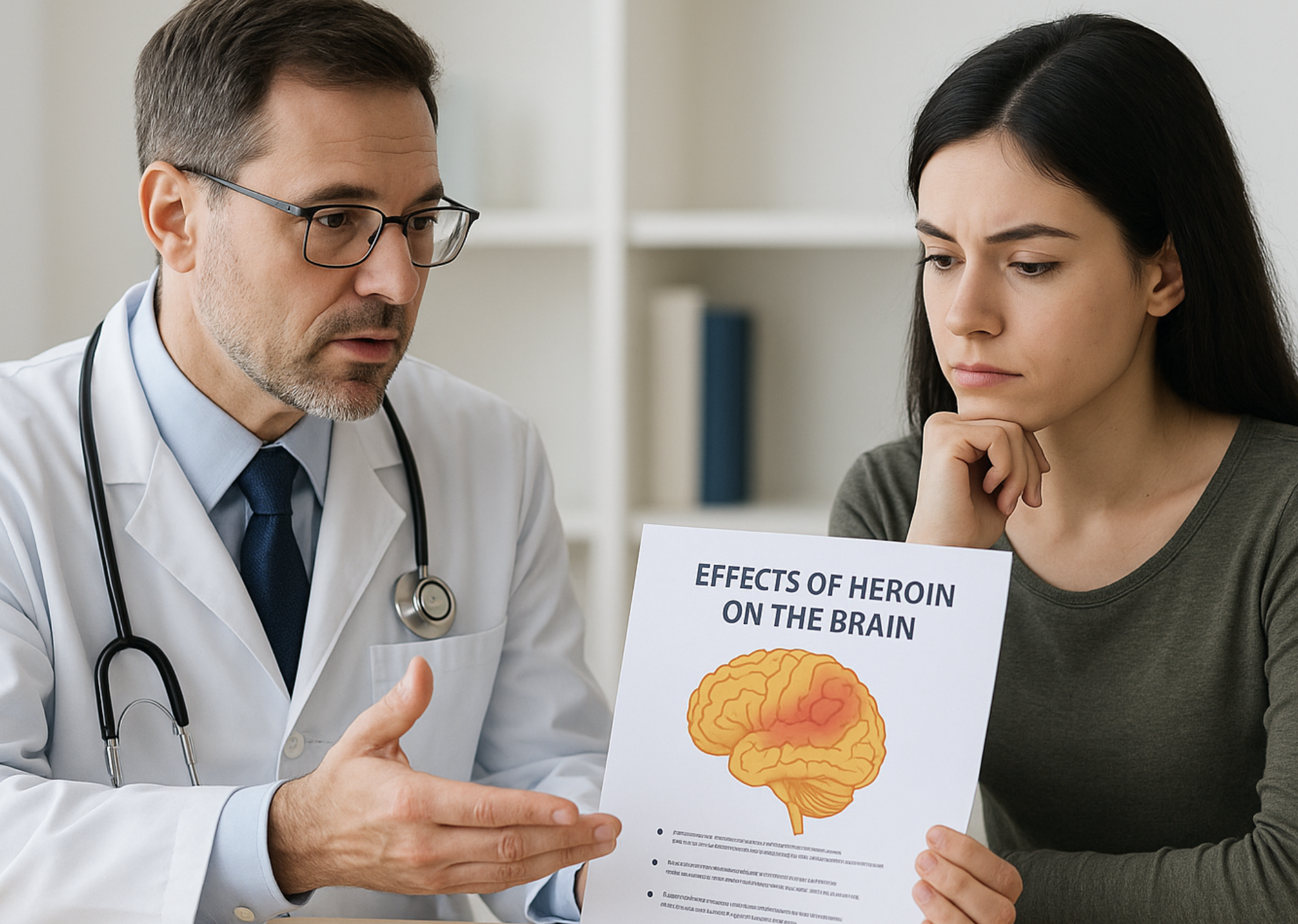
Heroin is a highly addictive opioid that affects the brain’s chemistry. When someone becomes dependent on heroin, their body has developed a tolerance to the drug, and they rely on it to function. Detoxing from heroin involves a series of physical and psychological symptoms that can be intense and, in some cases, life-threatening. Common symptoms of heroin withdrawal include:
- Severe cravings
- Nausea and vomiting
- Muscle and bone pain
- Insomnia
- Cold sweats
- Anxiety and depression
These symptoms typically start within a few hours after the last dose and can persist for several days, sometimes even weeks. While withdrawal from heroin is not usually fatal, it can be incredibly uncomfortable and puts individuals at risk of relapse. This is why medical supervision is crucial.
Why Medical Supervision Is Essential
1. Safe and Comfortable Detox
Medical professionals play a key role in making the detox process more manageable and comfortable. They can provide medications to alleviate some of the painful withdrawal symptoms. For example, medications such as methadone, buprenorphine, and clonidine are often used to help manage cravings and reduce the severity of symptoms. These medications allow individuals to detox safely, while gradually weaning them off the heroin in a controlled manner.
Without proper medical supervision, many individuals may resort to using heroin again to alleviate the withdrawal symptoms, thus risking further harm to their health. Having medical professionals on hand ensures that the detox process is as safe and comfortable as possible, and it reduces the risk of relapse during the critical initial phase of recovery.
2. Monitoring Vital Signs
Heroin withdrawal can cause significant changes to the body’s vital signs, including blood pressure, heart rate, and body temperature. During withdrawal, some individuals may experience dangerously high blood pressure, elevated heart rate, and dehydration. These conditions can lead to complications, especially for individuals with pre-existing health problems.
Medical professionals monitor these vital signs during the detox process, allowing them to identify any potential health risks early on. If necessary, they can intervene immediately to prevent serious complications, such as cardiac arrest or stroke, from occurring.
3. Emotional and Psychological Support
Heroin withdrawal is not only a physical challenge but also a psychological one. Anxiety, depression, and intense cravings are common and can make the detox process emotionally draining. Medical professionals are trained to recognize these emotional signs and provide the necessary support.
Therapists and counselors often work with individuals undergoing detox to help them cope with the psychological challenges. Cognitive-behavioral therapy (CBT) and other therapeutic methods can be introduced to address the emotional aspect of addiction, helping individuals develop coping strategies and prepare for the next steps in their recovery journey.
4. Preventing Relapse
Relapse is one of the most significant challenges in heroin recovery. The withdrawal symptoms can be so intense that they may drive someone back to using heroin, especially without proper support. Medical supervision plays a crucial role in reducing the chances of relapse during detox.
By providing a structured environment and offering medication-assisted treatment, professionals ensure that individuals are less likely to give in to the urge to use heroin again. Moreover, detox in a medical facility allows individuals to start building a foundation for long-term recovery by connecting them with therapists and support groups that will continue to help them after detox.
5. Comprehensive Aftercare Planning
Detox is only the beginning of recovery from heroin addiction. After detox, individuals will need to transition into a treatment plan that includes therapy, counseling, and possibly inpatient or outpatient rehabilitation. Medical professionals involved in the detox process can help create a comprehensive aftercare plan, ensuring that individuals continue to receive the support they need for long-term sobriety.
Heroin detox is an essential first step toward recovery from heroin addiction, but it should never be undertaken without medical supervision. The risks of withdrawal, both physical and emotional, are too great to handle alone. With the support of medical professionals, individuals can navigate the detox process safely, comfortably, and with a higher chance of long-term success in recovery.
If you or a loved one is struggling with heroin addiction, don’t hesitate to seek professional help. With the right care, recovery is possible, and medical supervision is an essential part of that journey.
If you or a loved one are struggling with addiction or mental health issues, please give us a call today at 855-952-3546