How Heroin Changes Brain Chemistry
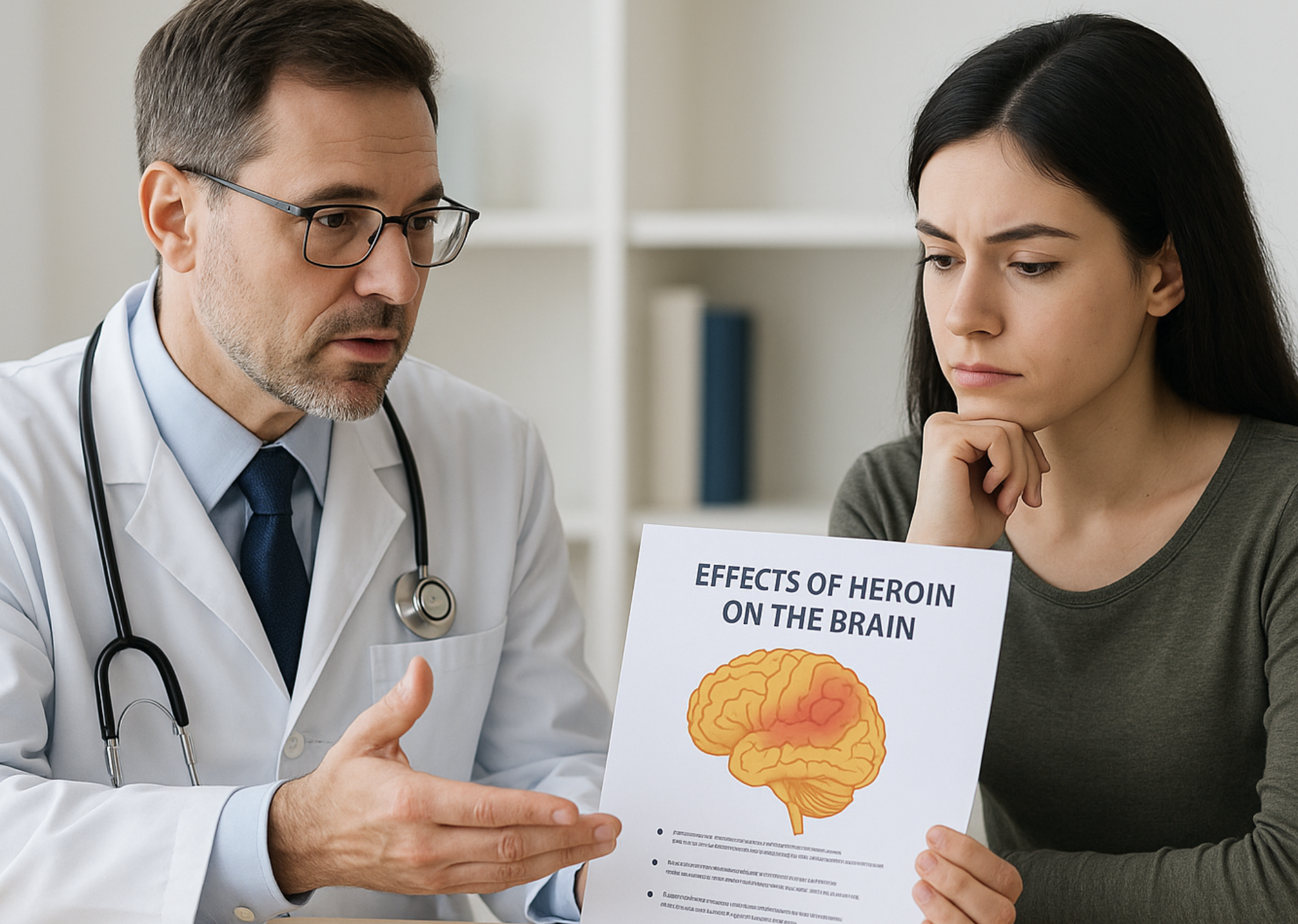
Heroin is one of the most addictive substances in the world, and its impact on the brain is profound and far-reaching. Understanding how heroin alters brain chemistry helps explain why it can be so difficult for individuals to overcome addiction. When someone uses heroin, the drug affects the brain’s natural systems in ways that can lead to long-lasting changes.
The Brain’s Reward System
At the core of heroin’s impact on brain chemistry is its effect on the brain’s reward system, particularly the release of dopamine. Dopamine is a neurotransmitter that plays a key role in feelings of pleasure and motivation. Normally, the brain releases dopamine as a response to natural rewards, like eating or socializing. These activities help reinforce behaviors necessary for survival. However, when heroin is introduced, it bypasses these natural processes and triggers a massive release of dopamine.
This overwhelming dopamine release creates a rush of euphoria, which is one of the reasons why heroin is so addictive. The high is intensely pleasurable, and the brain begins to associate heroin use with pleasure, creating a cycle of reinforcement. Over time, this can lead to a craving for the drug and a compulsive need to experience that high again.
The Role of Opioid Receptors
Heroin is an opioid, meaning it binds to opioid receptors in the brain. These receptors are naturally activated by chemicals like endorphins, which are responsible for regulating pain, stress, and emotions. When heroin enters the brain, it attaches to these receptors and mimics the effects of endorphins. This not only causes intense feelings of pleasure but also numbs pain and induces a sense of relaxation.
However, the brain quickly becomes dependent on the drug to activate these receptors. With repeated use, the brain’s natural production of endorphins diminishes, leading to a reduced ability to feel pleasure from everyday activities. This is why individuals who are addicted to heroin often experience feelings of emptiness or a lack of motivation when they are not using the drug.
Tolerance and Dependence
As someone continues to use heroin, the brain adapts to the presence of the drug. Over time, the brain’s opioid receptors become less responsive, requiring more heroin to achieve the same effects. This is known as tolerance. The increased use of heroin also leads to physical dependence. When the drug is not available, individuals may experience withdrawal symptoms such as anxiety, nausea, and muscle pain, making it even harder to quit.
The process of tolerance and dependence is a key factor in why heroin addiction is so challenging to overcome. The brain’s chemistry has been altered to the point where normal, healthy functioning becomes difficult without the drug.
Long-Term Changes to Brain Chemistry
Heroin’s impact on brain chemistry is not limited to the immediate effects of the drug. Prolonged use can cause lasting changes in the structure and function of the brain. One area of concern is the brain’s ability to regulate emotions and stress. Research has shown that chronic heroin use can lead to changes in the areas of the brain responsible for decision-making, impulse control, and emotional regulation.
These changes make it harder for individuals to experience pleasure from normal activities and to manage stress without turning to the drug. The long-term impact on the brain’s reward system can leave an individual trapped in a cycle of addiction that is difficult to break.
The Path to Recovery
The good news is that with the right treatment, it is possible to heal from the effects of heroin addiction. Treatment often involves a combination of medication, therapy, and support groups to help individuals manage withdrawal symptoms, address the underlying psychological factors that contribute to addiction, and rebuild the brain’s chemistry over time.
Although the road to recovery can be difficult, understanding how heroin changes brain chemistry is a vital step in recognizing the need for treatment and support. With the right help, individuals can begin to restore balance to their brain chemistry and work towards a healthier, drug-free life.
If you or a loved one are struggling with addiction or mental health issues, please give us a call today at 855-952-3546