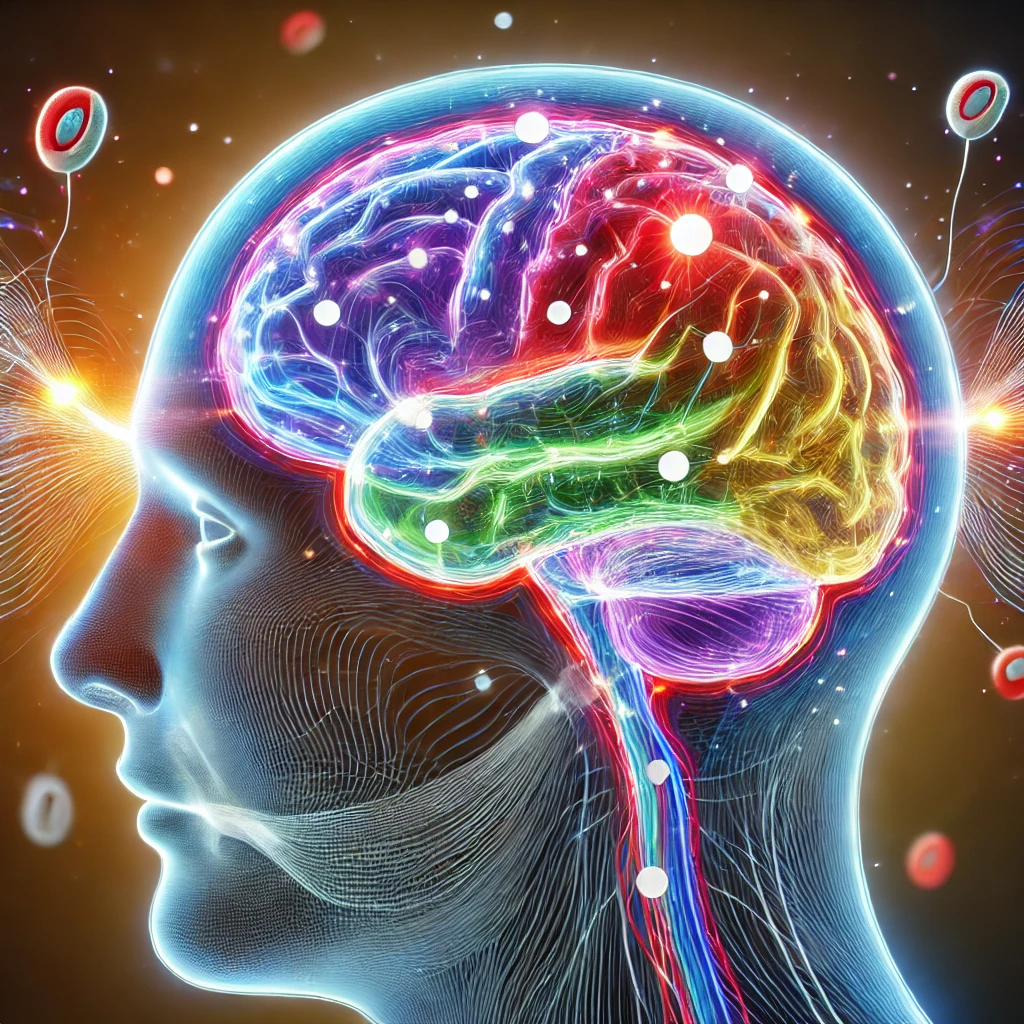
The Effects of Opioids on the Brain
Opioids are a class of drugs that include prescription pain relievers, synthetic opioids, and illegal substances like heroin. These drugs have a powerful effect on the brain and can lead to both physical and psychological dependence when misused. Understanding how opioids impact the brain is crucial to grasp the dangers of these substances, especially in the context of the opioid crisis.
1. How Opioids Work in the Brain
Opioids exert their effects by binding to specific receptors in the brain and spinal cord known as opioid receptors. These receptors are part of the body’s natural pain control system. When opioids bind to these receptors, they block pain signals and release dopamine, a neurotransmitter associated with pleasure and reward.
This rush of dopamine is what makes opioids so addictive. The brain quickly learns to associate the drug with pleasurable feelings, leading to repeated use. Over time, the brain’s natural ability to produce dopamine decreases, and the person becomes dependent on the drug to feel good or even to feel normal.
2. Impact on the Brain’s Reward System
One of the most significant effects of opioids on the brain is their impact on the reward system. The reward system is responsible for reinforcing behaviors that are vital for survival, such as eating or socializing. Opioids hijack this system by causing a massive release of dopamine, leading to a euphoric feeling that can create a cycle of craving and compulsive use.
This overstimulation of the reward system can lead to changes in the brain’s structure and function. As the brain becomes accustomed to the artificial high provided by opioids, it requires more of the drug to achieve the same effect. This tolerance buildup is one of the key factors that lead to addiction.
3. Changes in Brain Structure
Chronic opioid use can lead to long-term changes in the brain’s structure, particularly in areas involved in decision-making, memory, and self-control. Studies have shown that people who are addicted to opioids often have reduced gray matter in areas of the brain responsible for making good decisions and regulating emotions.
These structural changes can impair a person’s ability to control their impulses, leading to further drug-seeking behavior. The longer a person uses opioids, the more these changes can become permanent, making it harder to quit without professional help.
4. Opioid Use and Mental Health
In addition to physical dependence, opioid use can also affect mental health. The altered brain chemistry can lead to anxiety, depression, and other mood disorders. These conditions are often exacerbated by withdrawal symptoms when a person tries to stop using opioids. For many, this creates a vicious cycle where the individual uses opioids to alleviate the emotional pain of withdrawal or mental distress.
The impact on mental health can also interfere with the ability to make rational decisions, further perpetuating the cycle of addiction. Many opioid users report feelings of isolation, hopelessness, and despair, which can lead to even more serious mental health issues like suicidal thoughts or behaviors.
5. The Risk of Overdose
As opioids continue to affect the brain’s ability to regulate pain and pleasure, the risk of overdose increases. Opioid overdose occurs when the drug causes the respiratory system to slow down or stop, leading to a lack of oxygen in the brain. This can result in coma or death if not treated immediately.
Opioid overdoses are often unintentional, as users may not know how much of the drug they are consuming or may combine opioids with other substances, which increases the risk of respiratory failure.
6. Treatment and Recovery
The road to recovery from opioid addiction involves addressing both the physical and psychological effects of the drug. Treatment often includes a combination of medication-assisted treatment (MAT), therapy, and support groups. MAT helps to manage withdrawal symptoms and cravings, while therapy addresses the underlying psychological issues associated with addiction.
It is important to seek help early, as the longer a person uses opioids, the more challenging it can be to repair the damage caused to the brain. With the right treatment, however, recovery is possible.
In conclusion, opioids have a profound and lasting effect on the brain, impacting everything from mood to memory. Understanding these effects can help raise awareness about the risks of opioid use and the importance of seeking treatment for those struggling with addiction.
If you or a loved one are struggling with addiction or mental health issues, please give us a call today at 855-952-3546