Vyvanse is a prescription medication commonly used to treat attention deficit hyperactivity disorder (ADHD) and binge eating disorder. While it can be highly effective when used as directed, misuse or overuse of Vyvanse can lead to dangerous consequences, including the risk of overdose. Understanding the effects of Vyvanse, how an overdose can occur, and what to do if it happens is crucial for ensuring safety and proper use.
What is Vyvanse?
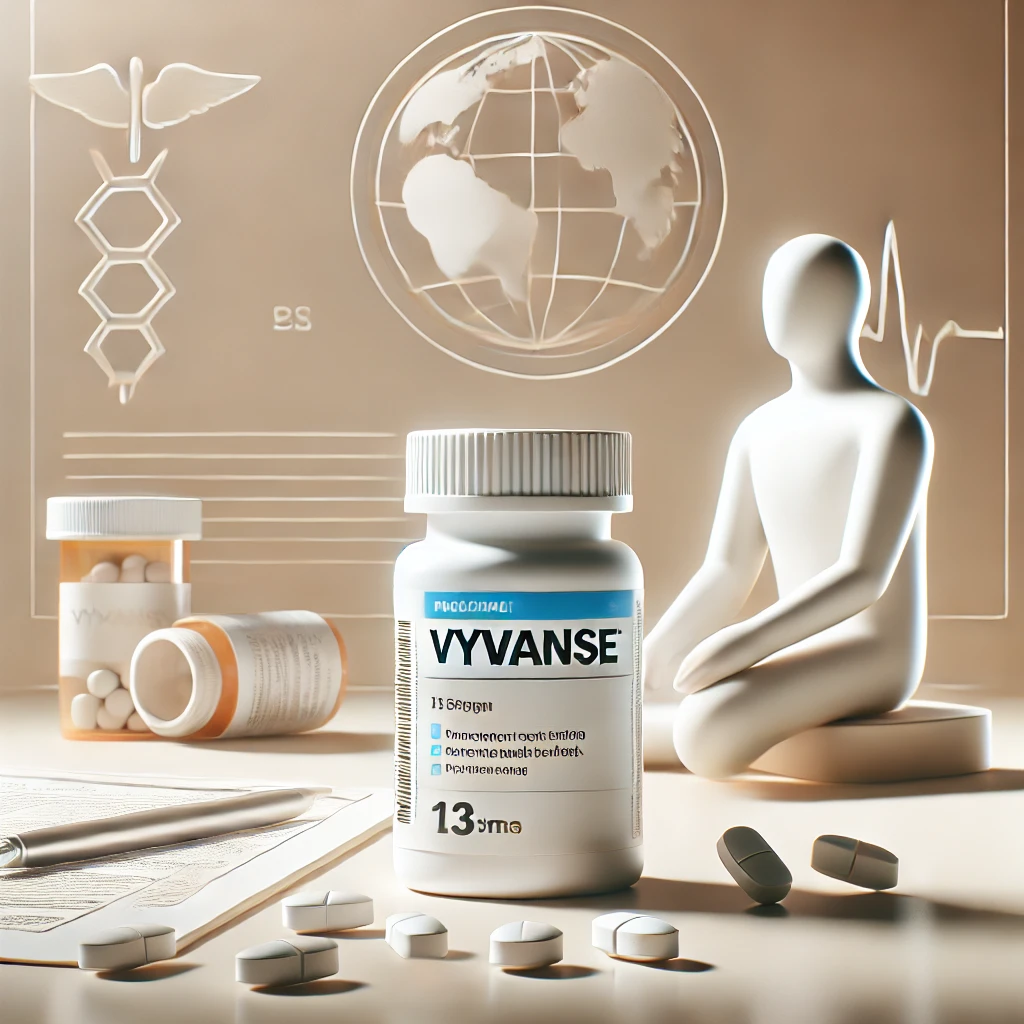
Vyvanse (lisdexamfetamine) is a stimulant medication that works by affecting chemicals in the brain that contribute to impulse control and hyperactivity. It’s considered a prodrug, meaning it must be metabolized in the body before becoming active. This design reduces the likelihood of misuse, but it doesn’t eliminate the risk entirely.
The medication is prescribed in specific doses tailored to an individual’s needs. Taking more than the recommended dose or using it without a prescription increases the risk of adverse effects and overdose.
Can You Overdose on Vyvanse?
Yes, it is possible to overdose on Vyvanse. Overdose occurs when someone consumes more of the medication than their body can safely handle. This can happen accidentally, such as miscalculating a dose, or intentionally, such as attempting to enhance focus or energy.
Vyvanse overdose can be particularly dangerous due to its stimulant properties, which affect the cardiovascular and nervous systems.
Signs and Symptoms of Vyvanse Overdose
Recognizing the signs of a Vyvanse overdose early is critical. Symptoms may include:
- Physical Symptoms:
- Rapid or irregular heartbeat
- High blood pressure
- Chest pain
- Difficulty breathing
- Nausea and vomiting
- Neurological Symptoms:
- Severe anxiety or panic attacks
- Hallucinations
- Confusion
- Restlessness or agitation
- Tremors or seizures
- Other Symptoms:
- Extreme fatigue after overstimulation
- Loss of consciousness
In severe cases, a Vyvanse overdose can lead to life-threatening conditions, including stroke, heart attack, or even death.
What Increases the Risk of Overdose?
Several factors can increase the likelihood of a Vyvanse overdose:
- Recreational Use: Misusing Vyvanse to stay awake, lose weight, or enhance academic performance significantly raises the risk of overdose.
- Mixing with Other Substances: Combining Vyvanse with alcohol, other stimulants, or depressants can amplify its effects, leading to dangerous interactions.
- Underlying Health Conditions: Individuals with heart problems, high blood pressure, or a history of seizures are at greater risk of severe complications from an overdose.
What to Do in Case of a Vyvanse Overdose
If you suspect someone has overdosed on Vyvanse:
- Call Emergency Services Immediately: Time is critical. Provide as much information as possible, including the person’s age, weight, and the amount of Vyvanse taken.
- Monitor the Individual: Keep them calm and still to avoid exacerbating symptoms like an elevated heart rate.
- Do Not Induce Vomiting: This can cause additional harm, especially if the individual is unconscious or having difficulty breathing.
Preventing Vyvanse Overdose
To prevent overdose, it’s essential to follow your healthcare provider’s instructions precisely:
- Take the Prescribed Dose: Never adjust your dose without consulting your doctor.
- Avoid Sharing Medication: Vyvanse should only be used by the person it was prescribed for.
- Store Safely: Keep the medication out of reach of children and others who may misuse it.
If you feel that your current dose is not effective, discuss this with your healthcare provider rather than increasing the dosage on your own.
Vyvanse and Addiction: A Closer Look
While Vyvanse is considered to have a lower abuse potential compared to other stimulants, it can still be habit-forming. Misuse of the medication, particularly in high doses, can lead to dependency and addiction. If you or someone you know is struggling with Vyvanse misuse, seeking professional help is vital. Treatment centers specializing in stimulant addiction can provide the support and resources needed for recovery.
Vyvanse, when used correctly, is a helpful medication for managing ADHD and binge eating disorder. However, like any medication, it must be taken with caution. Overdosing on Vyvanse is a serious medical emergency that requires immediate attention. By using the medication responsibly and staying informed, you can reduce the risks and ensure your safety.
If you or someone you know is struggling with Vyvanse misuse or addiction, help is available. Don’t hesitate to reach out to a trusted healthcare provider or treatment center for guidance.
If you or a loved one are struggling with addiction or mental health issues, please give us a call today at 855-952-3546