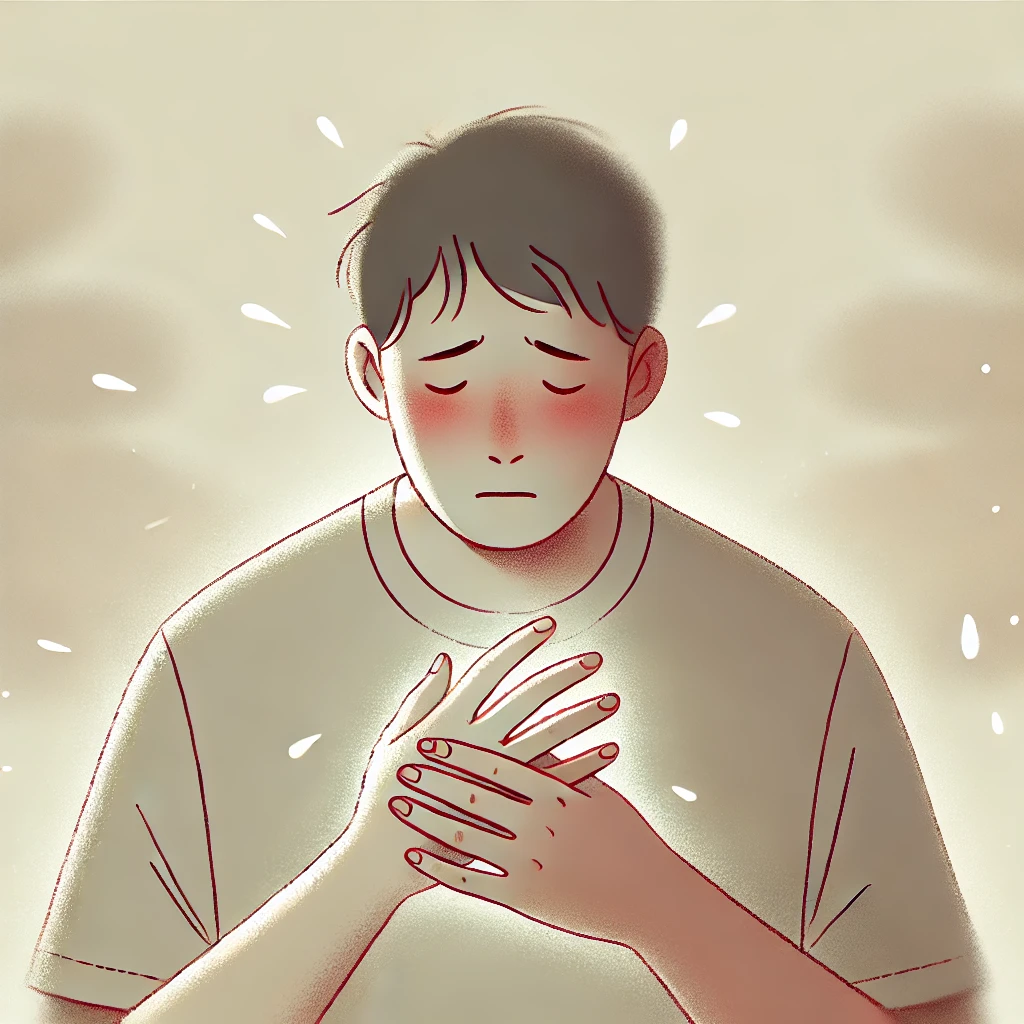
Alcohol withdrawal can be challenging, and understanding what to expect can make the journey less frightening. When a person who regularly drinks alcohol stops suddenly, their body may react with a range of symptoms. These symptoms occur because the body has grown accustomed to alcohol and needs time to adjust without it. Here’s a straightforward guide to understanding alcohol withdrawal symptoms and why they happen.
What Causes Alcohol Withdrawal?
The body adapts to regular alcohol consumption by changing how it operates. Alcohol impacts brain chemicals and nervous system functioning, leading to dependency over time. When someone stops drinking, the body needs time to adjust, leading to withdrawal symptoms. These reactions can start within hours of the last drink and may peak in severity a day or two later.
Common Withdrawal Symptoms
- Tremors or “Shakes”: Many people experience shaking, particularly in their hands, within 5-10 hours of their last drink. Tremors are a common early symptom that can make simple tasks challenging.
- Sweating and Fever: Alcohol withdrawal often brings heavy sweating, even in a cool room, as well as fever. This can leave people feeling hot, flushed, and uncomfortable.
- Nausea and Vomiting: Digestive upset, nausea, and vomiting are common. These symptoms may lead to dehydration, which can worsen other withdrawal symptoms if not managed.
- Anxiety and Restlessness: Anxiety is a frequent companion during withdrawal, as the brain adjusts to operating without alcohol’s depressive effects. Many people feel restless, nervous, or have racing thoughts.
- Sleep Disturbances: Insomnia is typical in alcohol withdrawal. Some people may struggle to fall asleep or stay asleep, while others may experience vivid, unsettling dreams or even nightmares.
- Mood Changes: Withdrawal can lead to mood swings, ranging from irritability to sadness. Depression may occur as the brain rebalances its chemistry.
- Confusion or Difficulty Concentrating: Many individuals feel mentally “foggy” or find it difficult to concentrate. Simple tasks can feel overwhelming as the brain works to restore its normal function.
- More Severe Symptoms – Delirium Tremens (DTs): For those with a severe dependency, alcohol withdrawal can sometimes lead to a condition called delirium tremens (DTs). DTs are serious and can cause confusion, hallucinations, and seizures. This condition requires immediate medical attention.
Coping with Withdrawal Symptoms
If someone is experiencing alcohol withdrawal, professional help is highly recommended. Medical professionals can provide medications to reduce symptoms and make the withdrawal process safer and more manageable. Dehydration is also a risk during withdrawal, so drinking water and staying hydrated is essential.
Having a supportive person nearby, whether a friend, family member, or medical professional, can make a big difference. The presence of someone trusted can help ease anxiety and provide assistance if symptoms worsen.
When to Seek Medical Help
Not everyone who withdraws from alcohol will experience life-threatening symptoms, but the possibility exists. If symptoms like hallucinations, severe confusion, seizures, or intense fever occur, it’s crucial to seek emergency help right away. Medical professionals can monitor and treat severe symptoms to prevent complications.
Recovery Takes Time
Alcohol withdrawal is temporary, but the experience can be challenging. Understanding what to expect and having a plan for support can ease the journey. The withdrawal period is a critical step toward a healthier, alcohol-free life.
If you or a loved one are struggling with addiction or mental health issues, please give us a call today at 855-952-3546