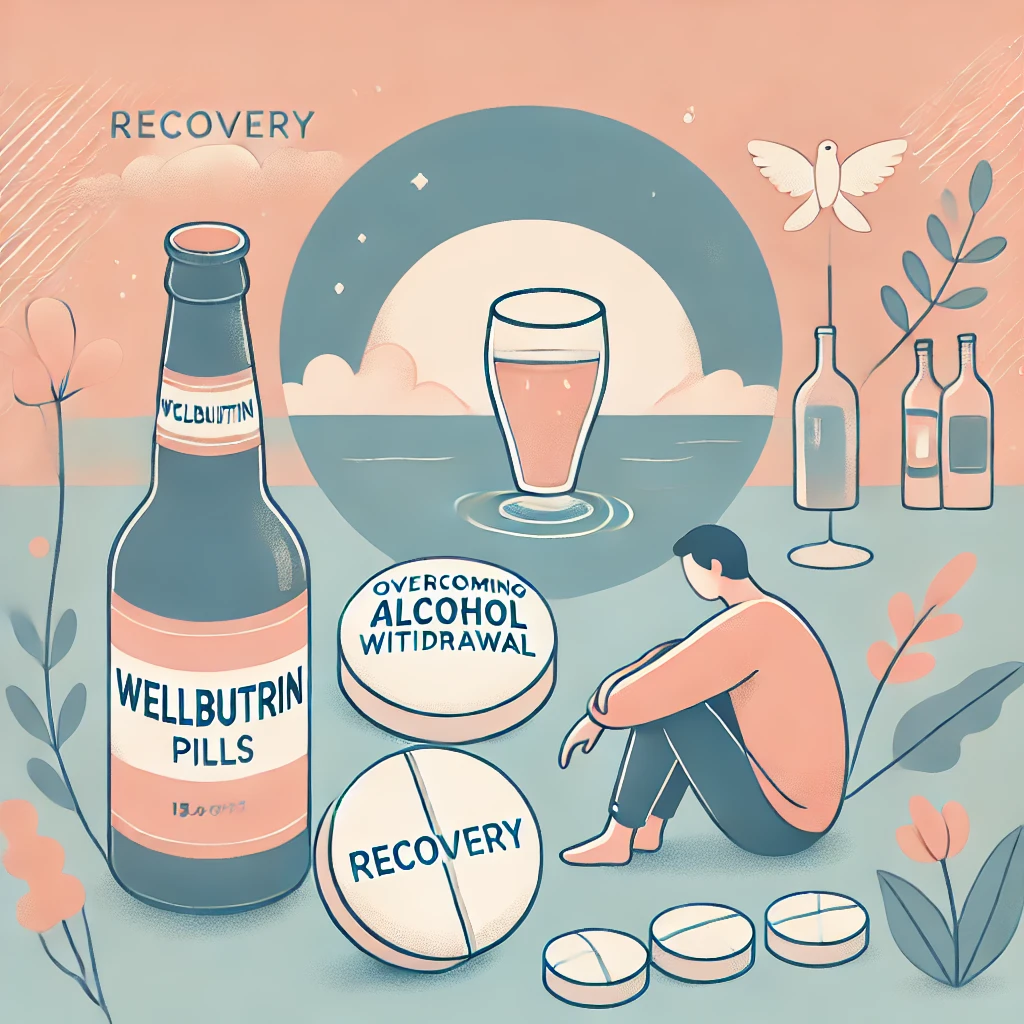
Alcohol withdrawal is tough. Many people struggle with the physical and emotional challenges that come when they try to quit drinking. Fortunately, medications like Wellbutrin (bupropion) can be part of the solution. You might have heard of Wellbutrin being used to treat depression, but it can also play a role in helping with alcohol withdrawal. In this blog, we’ll dive into how Wellbutrin works, how it helps people going through alcohol withdrawal, and what you should know if you’re considering this medication.
What Is Alcohol Withdrawal?
When someone drinks alcohol heavily and regularly, their body becomes dependent on it. If they suddenly stop drinking, withdrawal symptoms can begin. These can include:
- Anxiety
- Irritability
- Sweating
- Nausea
- Shaking
- Trouble sleeping
In more severe cases, withdrawal can lead to seizures, hallucinations, or a condition called delirium tremens (DTs), which is life-threatening. This is why alcohol withdrawal needs to be taken seriously, and getting help from a healthcare provider is crucial.
What Is Wellbutrin?
Wellbutrin is the brand name for bupropion, a prescription medication that’s commonly used to treat depression and help people quit smoking. Wellbutrin works by affecting the chemicals in the brain that are linked to mood, like dopamine and norepinephrine. By balancing these chemicals, it can improve mood, increase energy levels, and reduce cravings. These benefits make Wellbutrin a potential tool in treating alcohol withdrawal, especially when emotional symptoms like depression and anxiety are involved.
How Does Wellbutrin Help with Alcohol Withdrawal?
Wellbutrin can be useful for managing some of the psychological symptoms of alcohol withdrawal, such as:
- Reducing Cravings: Cravings for alcohol can be hard to handle. Wellbutrin may help reduce these cravings by balancing dopamine levels in the brain. Dopamine is a chemical that plays a big role in reward and pleasure, and alcohol use messes with these levels. Wellbutrin can help regulate this and reduce the urge to drink.
- Improving Mood: Depression is a common symptom for people going through alcohol withdrawal. Wellbutrin’s antidepressant properties can help lift the mood of those who are feeling down or hopeless as they go through the withdrawal process.
- Boosting Energy: Alcohol withdrawal often leaves people feeling exhausted. Wellbutrin can help increase energy levels and motivation, making it easier to stay on the path to sobriety.
- Supporting Smoking Cessation: Many people who are trying to quit drinking also want to quit smoking. Wellbutrin has been shown to help people stop smoking, so it can be a helpful medication if you’re tackling both addictions at the same time.
Is Wellbutrin Right for You?
While Wellbutrin can be helpful for alcohol withdrawal, it’s not for everyone. You should always consult a healthcare provider before starting any new medication. Here are some factors to consider:
- Seizures: Wellbutrin has been linked to an increased risk of seizures, especially at high doses. Since alcohol withdrawal itself can cause seizures, this is something to discuss carefully with your doctor.
- Mental Health Conditions: If you have a history of depression or anxiety, Wellbutrin may be beneficial. However, it’s important to monitor how the medication affects you since everyone responds differently.
- Other Medications: Wellbutrin can interact with other medications you may be taking, so be sure to give your doctor a full list of your medications before starting Wellbutrin.
What to Expect
If your doctor prescribes Wellbutrin to help with alcohol withdrawal, it’s important to follow their instructions closely. You’ll likely start on a low dose, which may be gradually increased over time. It can take a few weeks to feel the full effects, so don’t be discouraged if you don’t notice an immediate change. It’s also important to keep in touch with your healthcare provider and let them know about any side effects or concerns.
Other Ways to Cope with Alcohol Withdrawal
While Wellbutrin can be helpful, it’s usually part of a bigger treatment plan. Here are some other things that can support you during alcohol withdrawal:
- Medical Detox: For those with severe withdrawal symptoms, medical detox in a supervised setting is the safest way to go.
- Counseling: Therapy or counseling can help you work through emotional challenges and develop strategies to stay sober.
- Support Groups: Joining a support group like Alcoholics Anonymous (AA) can provide you with a community of people who understand what you’re going through.
- Healthy Habits: Regular exercise, a healthy diet, and good sleep can all help your body recover from alcohol use.
Wellbutrin can be a valuable tool for managing alcohol withdrawal, particularly when it comes to mood and cravings. However, like any medication, it’s important to work closely with your healthcare provider to make sure it’s right for you. If you or someone you know is struggling with alcohol withdrawal, reach out for help. Sobriety is possible, and there are many resources available to support you on the journey to recovery.
If you or a loved one are struggling with addiction or mental health issues, please give us a call today at 855-952-3546