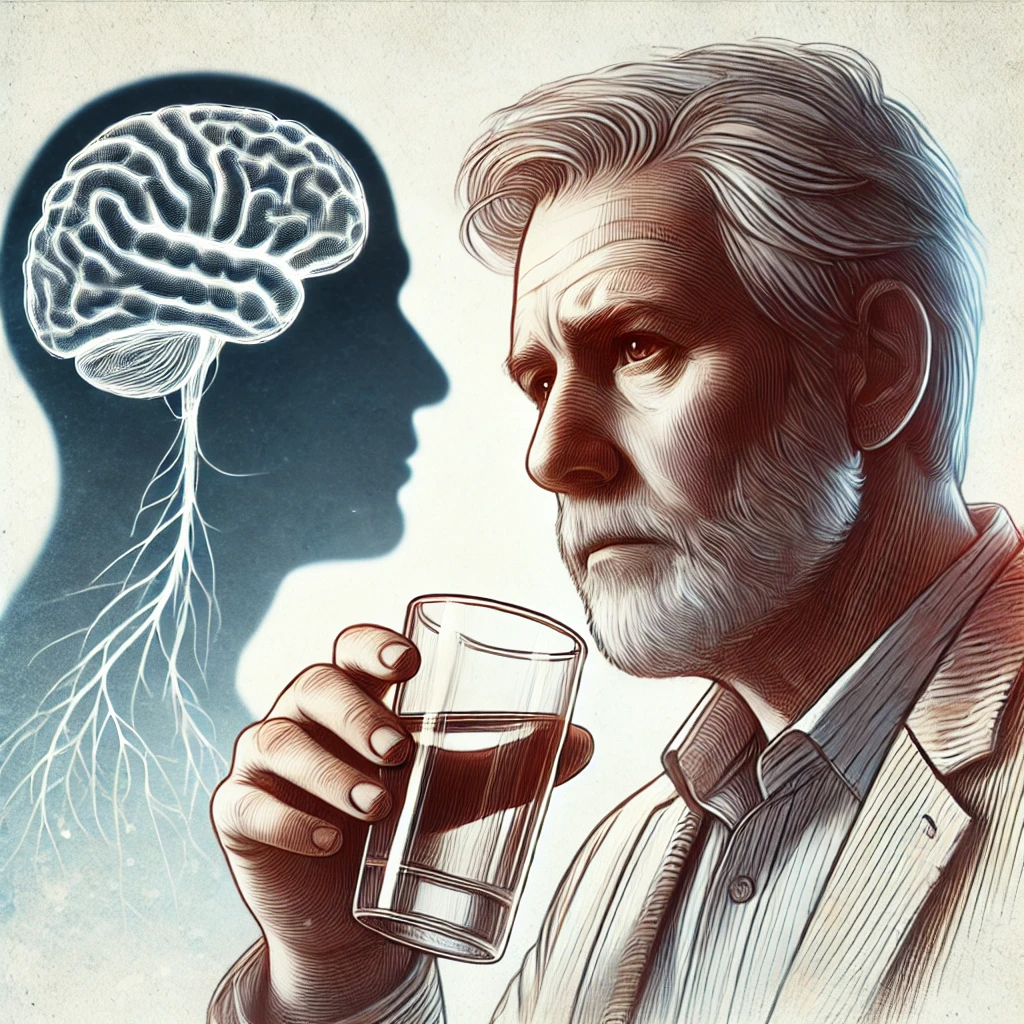
Dementia is a condition that affects memory, thinking, and behavior, and it can have a huge impact on daily life. While aging is the most common cause of dementia, research shows that alcohol can also play a significant role in its development. If you or someone you know is worried about memory issues and drinking alcohol, understanding how the two are connected can help.
What is Dementia?
Dementia isn’t just one condition. It’s a general term used to describe various brain disorders that cause a loss of cognitive function. The most well-known type is Alzheimer’s disease, but there are others like vascular dementia and frontotemporal dementia.
People with dementia may have trouble remembering recent events, making decisions, or even recognizing familiar people or places. The condition worsens over time, making it harder for individuals to live independently.
How Does Alcohol Affect the Brain?
Alcohol affects the brain in many ways. In small amounts, it can make you feel relaxed or sociable, but when consumed in large quantities, it can have harmful effects, especially on brain function.
- Short-term effects: Drinking too much alcohol in one sitting can lead to memory blackouts, slurred speech, and impaired thinking.
- Long-term effects: Heavy, long-term alcohol use can cause permanent damage to the brain, leading to cognitive decline.
One of the key ways alcohol impacts brain health is by affecting the way the brain communicates with itself. Over time, excessive drinking can lead to a loss of brain cells and cause changes in the brain’s structure, which is why memory problems can occur.
Alcohol-Related Dementia
There’s even a type of dementia caused specifically by alcohol, known as alcohol-related dementia or Wernicke-Korsakoff syndrome. This condition occurs when alcohol damages certain parts of the brain, particularly those involved in memory. People with alcohol-related dementia may have difficulty forming new memories, maintaining focus, or recalling past events.
While it may sound scary, this condition can sometimes be improved if the person stops drinking alcohol and seeks medical help.
Why Alcohol Increases the Risk of Dementia
There are a few reasons why alcohol can raise the risk of developing dementia:
- Brain damage: Drinking too much alcohol over time can directly damage brain cells, which can lead to dementia.
- Nutritional deficiencies: Alcohol can prevent your body from absorbing important nutrients, such as thiamine (vitamin B1), which the brain needs to function properly. A lack of thiamine is a leading cause of alcohol-related dementia.
- Stroke risk: Heavy drinking increases the risk of stroke, which can lead to vascular dementia. A stroke occurs when the blood supply to part of the brain is cut off, causing brain cells to die.
- Excessive toxins: Alcohol produces toxic substances in the body when broken down, and these toxins can harm brain cells if consumed in large amounts over a long period.
Who is at Risk?
Anyone who drinks heavily over a long period is at risk of alcohol-related dementia, but the risk increases with age. People over 65 should be especially careful because aging already makes the brain more vulnerable to cognitive decline.
However, it’s not just older adults who should be cautious. Younger people who drink heavily can also experience memory problems and brain damage, which may lead to early onset dementia.
Can Cutting Back on Alcohol Help?
Yes! The good news is that reducing or quitting alcohol can lower the risk of developing dementia. For those already experiencing memory issues or cognitive problems due to alcohol, stopping drinking can sometimes reverse the damage, especially in cases of alcohol-related dementia.
Seeking professional help and support can also make a huge difference in recovery. A healthcare provider can offer advice on managing alcohol use and keeping your brain healthy.
Final Thoughts
Drinking alcohol in moderation may not pose a huge risk to most people, but long-term excessive drinking can significantly increase the risk of dementia. Understanding this connection is crucial for making informed decisions about alcohol consumption, especially as you age.
If you’re concerned about how alcohol is affecting your memory or brain health, it’s a good idea to talk to a doctor. They can help guide you on a path toward better brain health and lower your risk of dementia.
Remember, it’s never too late to make changes that protect your brain! If you or a loved one are struggling with addiction or mental health issues, please give us a call today at 855-952-3546