Alcohol abuse is a serious issue that affects millions of people around the world. It can have devastating consequences on a person’s health, relationships, and overall quality of life. The big question many people ask is, “Can alcohol abuse be cured?” The short answer is that while there is no one-size-fits-all cure, it is possible to recover from alcohol addiction and lead a healthy, fulfilling life.
Understanding Alcohol Abuse
Alcohol abuse happens when someone drinks excessively, leading to harmful effects on their body and life. Over time, this can turn into addiction, also known as alcohol use disorder (AUD). Alcohol affects the brain in such a way that it becomes hard for a person to control how much they drink. This loss of control is what makes alcohol abuse so dangerous.
People who abuse alcohol may face problems like liver damage, heart disease, depression, anxiety, and trouble at work or home. This is why it’s important to seek help early before it gets worse.
Can Alcohol Abuse Be Completely Cured?
The term “cure” is tricky when it comes to alcohol abuse. For most people, alcohol addiction is something they will manage for life. It’s not like curing a cold, where it goes away and you never think about it again. Instead, it’s about learning how to live without alcohol and managing the cravings and triggers that may cause someone to drink again.
But here’s the good news: Recovery is possible. Millions of people have successfully stopped abusing alcohol and now live sober, happy lives. The key is understanding that recovery is a lifelong process that requires commitment, support, and often, professional help.
Steps to Recovery
Recovery from alcohol abuse is different for everyone, but here are some common steps that help people on their journey:
- Recognizing the Problem – The first step to recovery is acknowledging that there is a problem. Many people who abuse alcohol may deny it or not realize how serious it has become.
- Seeking Help – Once someone accepts that they have a problem, the next step is to seek help. This can come in many forms, such as:
- Therapy and Counseling – Talking to a therapist or counselor who specializes in addiction can help individuals understand why they drink and how to cope with their feelings.
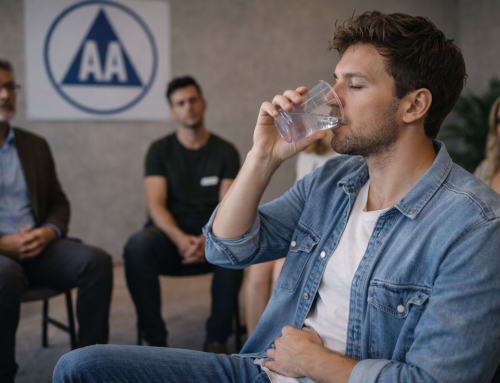
- Support Groups – Groups like Alcoholics Anonymous (AA) provide a safe space for people to share their experiences and get support from others who understand what they’re going through.
- Rehabilitation Programs – In some cases, professional rehabilitation centers offer structured programs to help individuals detox from alcohol, learn coping skills, and rebuild their lives.
- Building a Support System – Having supportive family and friends can make a big difference in recovery. It’s important for people in recovery to have a network of people they can turn to when things get tough.
- Staying Committed – Recovery is a long-term process. Even after someone stops drinking, they need to stay committed to staying sober. This may mean avoiding situations that might trigger the desire to drink or continuing therapy or support group meetings.
The Role of Professional Treatment
For many people, professional treatment is an important part of overcoming alcohol abuse. Rehab centers offer both inpatient and outpatient services that provide medical care, therapy, and support to help people recover. Medical professionals can also help with detoxification, which is the process of safely removing alcohol from the body.
Treatment centers are designed to help individuals understand their addiction, manage their cravings, and develop healthy habits. Many also offer aftercare programs to support people after they leave rehab.
What About Relapse?
Relapse is when someone who has stopped drinking starts again. It’s common and doesn’t mean that recovery has failed. In fact, many people go through several relapses before they achieve long-term sobriety. The key is to learn from each relapse and use it as a chance to grow stronger in recovery.
When someone relapses, it’s important not to give up. Support systems, like therapy and support groups, can help them get back on track.
The Path to Recovery
While alcohol abuse may not have a one-time “cure,” it is treatable. With the right tools and support, people can recover and lead healthy, sober lives. It’s important to remember that recovery is a journey, and it’s okay to ask for help along the way. Whether it’s therapy, rehab, or a support group, there are many options available to support people in overcoming alcohol addiction.
If you or someone you know is struggling with alcohol abuse, don’t wait to get help. Recovery is possible, and there are many resources available to guide you on the path to a healthier, sober life.
If you or a loved one are struggling with addiction or mental health issues, please give us a call today at 855-952-3546