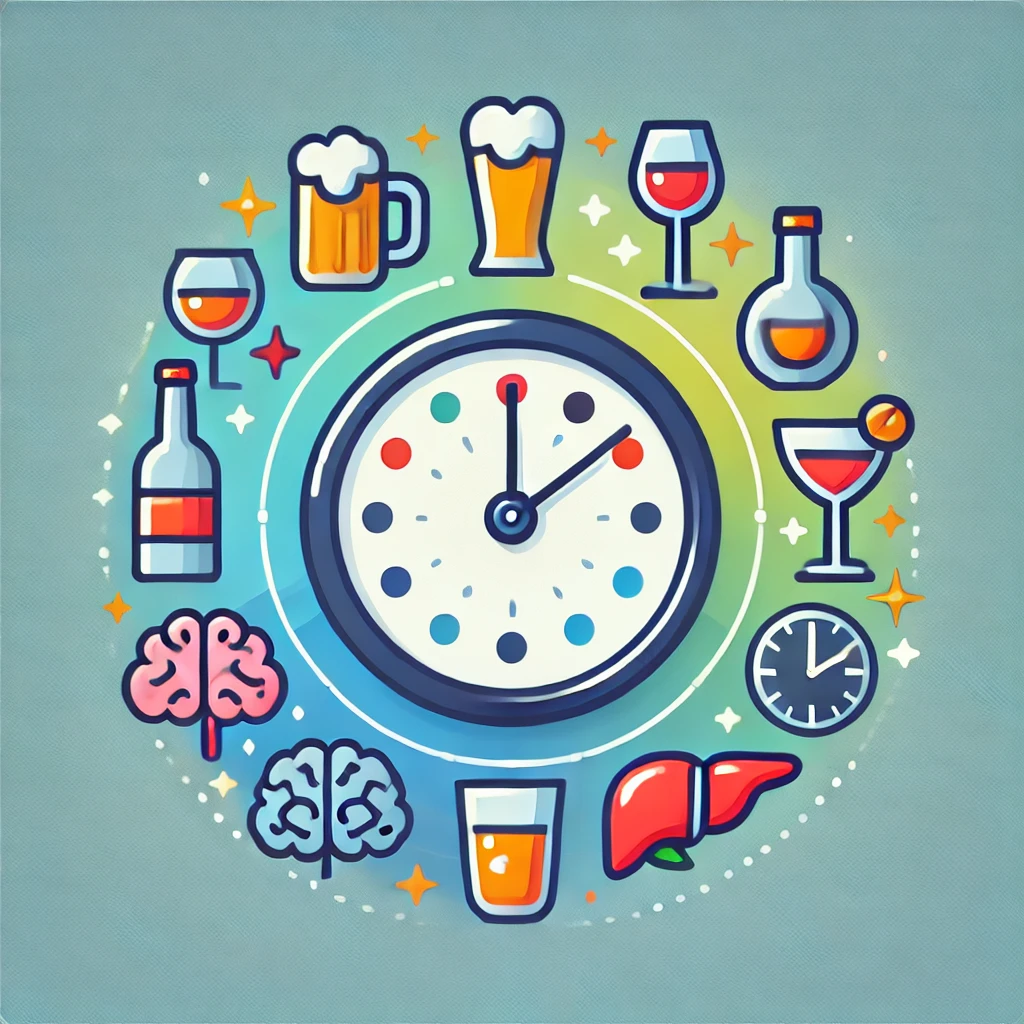
Sobering up can feel like a waiting game, and it’s natural to wonder how long it will take. The answer depends on various factors, like the amount of alcohol consumed, individual metabolism, and whether you’ve had any food. Let’s explore the process of sobering up and what you can expect.
What Happens When You Drink Alcohol?
When you drink alcohol, it goes through your stomach and small intestine and gets absorbed into your bloodstream. From there, it travels to your liver, where it is metabolized. Your liver can process roughly one standard drink per hour, though this varies for everyone.
What Is a Standard Drink?
A standard drink in the U.S. contains about 14 grams of pure alcohol. Here’s what that looks like:
- 12 ounces of beer (about 5% alcohol content)
- 5 ounces of wine (about 12% alcohol content)
- 1.5 ounces of distilled spirits like vodka or whiskey (about 40% alcohol content)
If you drink more than this amount, your body takes longer to process the alcohol, which means it will take longer to sober up.
How Long Does It Take to Sober Up?
On average, it takes about one hour for your body to metabolize one standard drink. So, if you’ve had three drinks, you can expect it to take around three hours to sober up. However, this doesn’t mean you’re completely free of alcohol after three hours. Small amounts of alcohol might still be in your system.
Important Note: Sobering up doesn’t mean you’re instantly back to normal. Your coordination, judgment, and reaction time can still be affected for hours, even when you no longer feel drunk.
Factors That Affect Sobering Up
Everyone’s body handles alcohol differently. Here are a few key factors that can influence how long it takes to sober up:
- Body Weight and Composition: Generally, heavier people process alcohol faster than lighter people. Muscle tissue can help metabolize alcohol more efficiently than fat.
- Gender: Men and women process alcohol differently. Women tend to have less of the enzyme that breaks down alcohol, so they often feel its effects longer.
- Metabolism: Some people naturally have a faster metabolism, which helps them process alcohol quicker.
- Food in the Stomach: Eating before or while drinking slows the absorption of alcohol, which can make the effects less intense and spread out over a longer time.
- Medications: Certain medications can interfere with how your body metabolizes alcohol, prolonging its effects.
Myths About Sobering Up Quickly
Many believe in quick fixes to sober up, but these are mostly myths. Here’s a look at some common ones and why they don’t work:
- Coffee: While coffee can make you feel more awake, it doesn’t reduce your blood alcohol level or speed up the sobering process.
- Cold Showers: A cold shower might wake you up, but it has no effect on alcohol levels in your bloodstream.
- Exercise: Physical activity doesn’t speed up alcohol metabolism. Sweating might make you feel better, but it won’t help you sober up any faster.
- Drinking Water: While it’s great to stay hydrated, drinking water doesn’t eliminate alcohol from your system. However, it can help prevent dehydration and reduce the severity of hangover symptoms.
How to Help Your Body Sober Up
While there’s no way to speed up the sobering process, you can take steps to support your body as it metabolizes alcohol:
- Stay Hydrated: Drinking water alongside alcohol can help with dehydration, a common side effect of drinking.
- Rest: Your body needs time to process alcohol, so resting and giving yourself time to recover is key.
- Eat: Having food in your stomach before drinking can slow alcohol absorption, reducing its impact.
Knowing When It’s Safe to Drive
It’s crucial to know that feeling sober and being safe to drive are not the same thing. The only way to be sure you’re safe to drive is to wait until enough time has passed for the alcohol to leave your system. Generally, you should wait at least an hour per drink before considering driving, but if in doubt, it’s always safer to wait longer or find another way home.
Final Thoughts
Sobering up takes time, and there’s no shortcut. The best way to handle drinking is to plan ahead. Make sure you have a safe way to get home, and give yourself time to rest. Remember, everyone’s body processes alcohol differently, so knowing your limits and listening to your body is essential.
By understanding the sobering process, you can make safer and healthier choices when it comes to drinking.
If you or a loved one are struggling with addiction or mental health issues, please give us a call today at 855-952-3546