When we think of addiction, substances like drugs or alcohol often come to mind. However, there’s another kind of addiction that doesn’t involve substances at all: process addictions. Process addictions, also known as behavioral addictions, occur when a person becomes addicted to engaging in specific activities or behaviors. Unlike substance addictions, process addictions focus on actions, which can still have a huge impact on a person’s life and health.
What Activities Can Be Process Addictions?
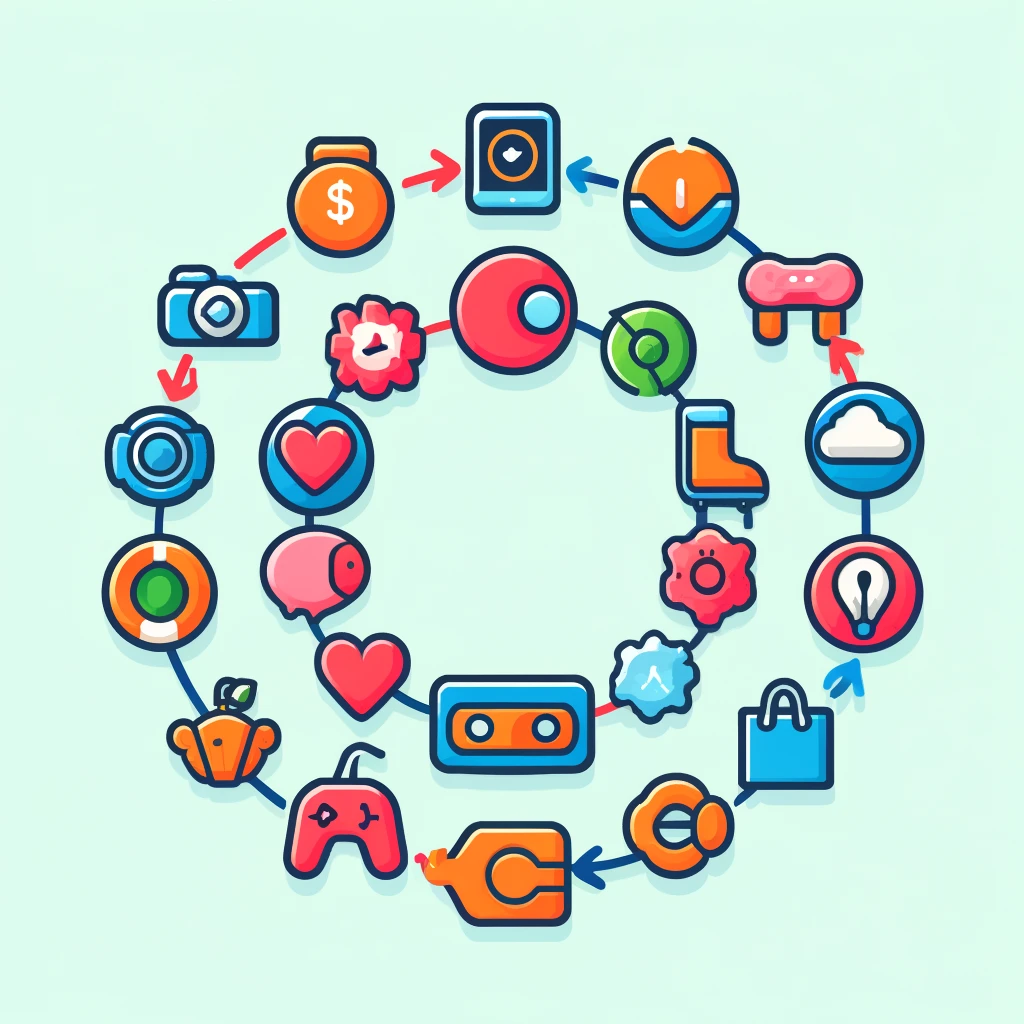
People can develop process addictions to various activities, including:
- Gambling – Often considered the most common process addiction, gambling can lead to serious financial, emotional, and social problems.
- Shopping – Compulsive shopping can lead to debt and anxiety, and it’s not always about the stuff bought but the thrill of the purchase itself.
- Video Games – For some, playing video games can become more important than real-life responsibilities, affecting relationships, work, or school.
- Social Media – The constant urge to check notifications or post updates can disrupt daily life and create feelings of anxiety or inadequacy.
- Food – This isn’t the same as eating for hunger; it’s eating to escape feelings or reward oneself, often leading to binge eating or other unhealthy habits.
Why Do Process Addictions Happen?
At their core, process addictions can be just as intense as substance addictions. They happen because the activity triggers a release of feel-good chemicals in the brain, like dopamine, which creates a rewarding sensation. Over time, a person may rely on the activity to feel good or to escape negative emotions. This can become a vicious cycle, where they continually seek out the activity for relief, but it only makes things worse.
What Are the Signs of Process Addiction?
It can be hard to recognize a process addiction because, unlike drugs or alcohol, the behaviors themselves might not seem harmful at first. Here are some signs that might indicate a process addiction:
- Loss of Control: Being unable to cut back on the activity, even if you want to.
- Preoccupation: Constantly thinking about the activity or planning the next opportunity to engage in it.
- Neglecting Responsibilities: Ignoring work, school, family, or other obligations because of the behavior.
- Continuing Despite Harm: Keeping up the behavior even when it leads to negative consequences, like debt, poor grades, or damaged relationships.
- Withdrawal Symptoms: Feeling irritable, anxious, or depressed when you’re not able to engage in the behavior.
How Can Process Addictions Be Treated?
The good news is that process addictions are treatable. Often, the same kinds of therapies that work for substance addictions can help with process addictions as well:
- Cognitive Behavioral Therapy (CBT): This helps a person understand their triggers and develop healthier responses to those triggers.
- Support Groups: There are groups specifically for gambling, shopping, and other behavioral addictions that provide a sense of community and shared experience.
- Professional Counseling: Talking to a counselor or therapist can help someone explore why they’re drawn to the behavior and develop coping strategies.
Moving Forward with Awareness
Understanding process addictions is the first step to recognizing if they might be affecting you or someone you know. If you see signs of a process addiction, reaching out for help can make a big difference. Remember, behavioral addictions might not involve a substance, but they’re real and can be just as challenging. Taking action can lead to a happier and healthier life.
If you or a loved one are struggling with addiction or mental health issues, please give us a call today at 855-952-3546