Post-Traumatic Stress Disorder (PTSD) is a mental health condition that can develop after experiencing or witnessing a traumatic event. It affects not only the individual’s emotional and psychological well-being but also their relationships, work, and overall quality of life. PTSD recovery is a complex process, and while therapy and medication are often essential components of treatment, support groups play a crucial role in helping individuals heal.
Support groups provide a safe and supportive environment where people with PTSD can connect with others who have experienced similar traumas. They offer emotional comfort, practical advice, and a sense of community, all of which are vital for long-term recovery. In this blog, we’ll explore the role of support groups in PTSD recovery, how they help individuals cope, and why they are an important part of the healing process.
What Are PTSD Support Groups?
PTSD support groups are gatherings—either in person or online—where individuals who have experienced trauma come together to share their experiences, struggles, and progress. These groups are typically led by a trained facilitator or therapist who guides the discussions and ensures that the environment remains supportive and non-judgmental.
The focus of PTSD support groups is to offer a space for participants to express their feelings, discuss coping strategies, and gain insight into how others manage their symptoms. This shared experience can help people feel less isolated, reduce feelings of shame, and build resilience as they work toward recovery.
The Benefits of Support Groups in PTSD Recovery
Support groups are valuable in PTSD recovery for several reasons. They address both the emotional and practical challenges of living with PTSD while providing a community of understanding and encouragement.
1. Emotional Support and Understanding
One of the most significant benefits of joining a PTSD support group is the opportunity to connect with others who understand what you’re going through. People with PTSD often feel isolated or misunderstood by friends and family who haven’t experienced trauma themselves. In a support group, participants can talk openly about their emotions without fear of judgment. This mutual understanding fosters a sense of connection and helps individuals feel less alone in their struggles.
Hearing others’ stories can also provide validation, reinforcing the idea that the challenges and symptoms of PTSD are real and not a personal failing. This sense of validation is crucial in reducing self-blame and building self-compassion.
2. Shared Coping Strategies
Support groups offer a wealth of practical advice from people who have found ways to cope with PTSD symptoms. Participants often share strategies for managing triggers, reducing anxiety, and improving their mental health. These tips can be incredibly helpful for individuals who are just beginning their recovery journey and may not know where to start.
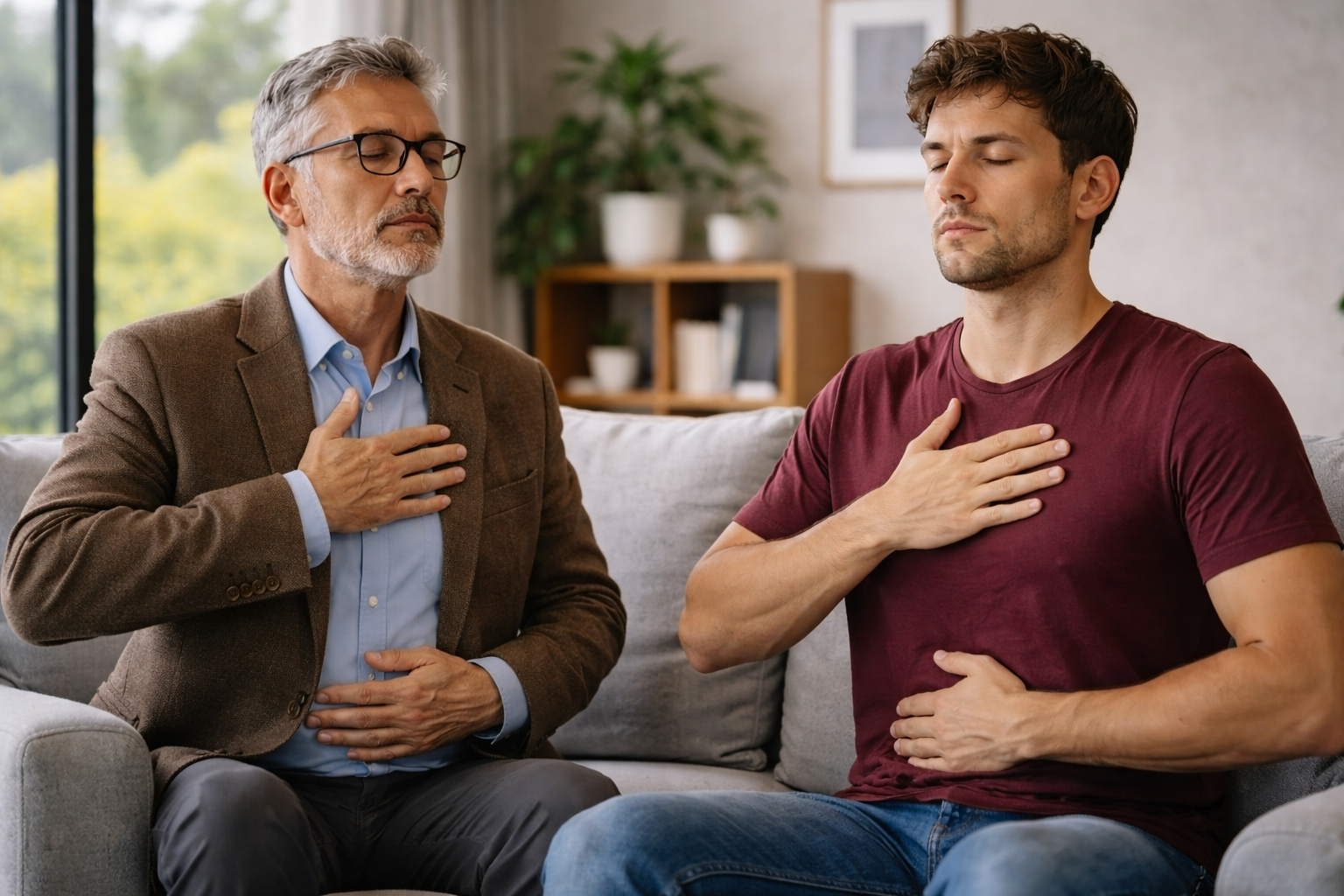
For example, group members might discuss mindfulness techniques, relaxation exercises, or tools for managing flashbacks. Learning from others who have been through similar experiences can inspire hope and provide new ways to manage the condition.
3. A Safe Space for Expression
For many people with PTSD, it can be difficult to talk about their trauma with others. Support groups provide a safe, confidential environment where individuals can express their thoughts and feelings without fear of being judged or dismissed. This emotional release is an important part of the healing process, allowing participants to process their trauma in a supportive setting.
The act of verbalizing experiences and emotions can help to lessen the intensity of PTSD symptoms over time. Sharing personal stories in a group setting also allows participants to receive feedback and support, reinforcing the idea that they are not alone in their struggles.
4. Building a Sense of Community
One of the hallmarks of PTSD is a feeling of isolation, as trauma can make it difficult to connect with others. Support groups help individuals build a sense of community by fostering relationships with people who understand the unique challenges of PTSD. This sense of belonging can be incredibly healing and helps reduce feelings of loneliness.
The friendships and connections formed in support groups often extend beyond the group meetings, providing participants with a network of support that they can rely on during difficult times.
5. Reducing Stigma
PTSD carries a stigma that can prevent people from seeking help. Many individuals feel ashamed or weak for struggling with the condition, which can lead to further isolation. Support groups help combat this stigma by normalizing the experience of PTSD and encouraging open discussion about mental health. As individuals share their experiences, they help break down the barriers of shame and encourage others to seek the help they need.
6. Long-Term Support and Accountability
Recovery from PTSD is often a long and ongoing process. Support groups provide a consistent source of encouragement and accountability, which can be critical for staying on the path to recovery. Group members can check in on each other’s progress, celebrate milestones, and provide motivation during challenging times.
Knowing that there’s a group of people who understand your journey and are rooting for your success can make a big difference in maintaining mental health and well-being over the long term.
Why Support Groups Are an Important Part of PTSD Treatment
While therapy and medication are essential for many people recovering from PTSD, support groups offer a unique kind of help that can’t be found in individual treatment. They create a space for mutual support and understanding that is critical for emotional healing. When used in conjunction with professional treatment, support groups can provide a more holistic approach to recovery.
Finding the Right Support Group
There are many types of PTSD support groups available, both in-person and online. When searching for a group, it’s important to find one that feels comfortable and aligns with your needs. Some groups may focus on specific types of trauma, such as combat-related PTSD or survivors of abuse, while others may be more general.
If you’re unsure where to start, mental health professionals or organizations like the Atlanta Center for Mental Health can help connect you with local or online support groups. The Atlanta Center for Mental Health also offers comprehensive PTSD treatment options, including therapy, counseling, and support group referrals.
Conclusion
Support groups play a vital role in PTSD recovery by providing emotional support, practical advice, and a sense of community. For individuals struggling with PTSD, these groups offer a safe space to share experiences, learn new coping strategies, and build connections with others who understand their journey. If you or someone you know is dealing with PTSD, seeking out a support group can be a powerful step toward healing.
The Atlanta Center for Mental Health offers resources and support for those looking to join a PTSD support group or receive professional treatment. Don’t hesitate to reach out and take the next step in your recovery journey.
If you or a loved one are struggling with addiction or mental health issues, please give us a call today at 855-952-3546