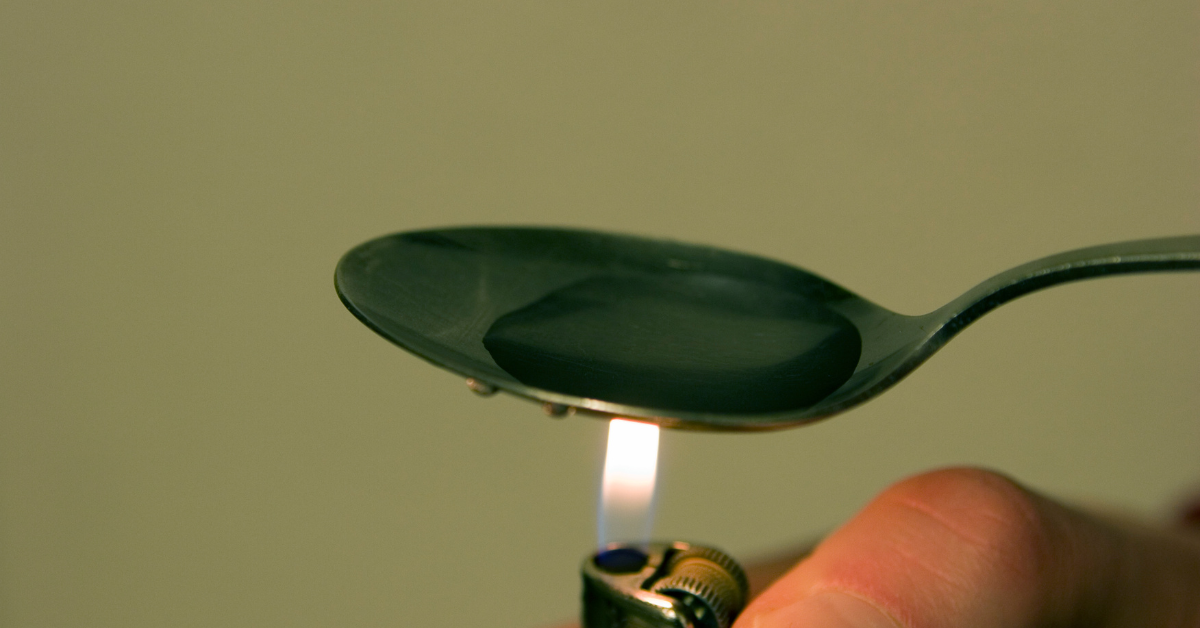
Heroin is a powerful drug- it offers a quick escape from reality, but the high it gives becomes harder to chase after every hit. The grip heroin has on people can be strong- it’s one of the most addictive substances out there. Its potency and availability make it hard for users to recover. At our Georgia Addiction Treatment Center, we understand the power of heroin addiction. We’ve seen firsthand how addiction can take hold and disrupt lives. We also know that recovery is possible with the right support and guidance. The question of why heroin is addictive is one that many people want to know the answer to. We’re here to help you understand why and give you tools and resources to help overcome addiction.
An Overview of Heroin
To understand why heroin is so addictive, we first should address what heroin is. Heroin is a highly addictive and rapidly-acting opioid drug. It’s derived from morphine, which is itself extracted from the seedpods of certain poppy plants. Morphine itself is used to treat pain severe enough to require daily use when other pain medicines aren’t as effective. Heroin can appear as a white or brownish powder or a black, sticky substance called “black tar heroin.” Unfortunately, heroin is often “cut” with other substances like sugar or powdered milk. This makes it difficult for users to know how much actual heroin they’re taking, significantly increasing the risk of overdose. Heroin has many street names associated with it:
- “H”
- “Black Tar”
- “Smack”
- “China White”
- “Skag”
Those who aren’t familiar with heroin may have heard these from TV shows, movies, or, unfortunately, in real life. Why is heroin addictive? A reason could be that these names try to misinform or make heroin sound better than it is. No matter what nickname it’s given, it’s still heroin at the end of the day.
How Is Heroin Abused?
Why is heroin addictive? A big factor is how it’s used- materials are available everywhere. Common ways of using heroin include injecting it into the bloodstream via a needle, snorting it through the nose (usually reserved for high-purity heroin), or smoking. People who smoke heroin either mix it in a joint with another drug (mainly marijuana) or inhale fumes after heating it on a piece of foil. While some diluted forms exist, heroin is most commonly injected. This method delivers the drug directly into the bloodstream, producing rapid and intense high. However, injection also carries the highest risk of overdose and infection from contaminated needles.
How Long Does It Take to Get Addicted to Heroin?
The initial effects of heroin can be deceiving. It produces a powerful rush of euphoria, relaxation, and well-being. This is often followed by drowsiness and slowed mental and physical functions. Some users describe feeling detached from reality as if they’re in a dream. Heroin’s effects vary depending on the route of administration. Injection delivers the fastest and most intense high, with a rush kicking in within 7-8 seconds and lasting 45 seconds to a few minutes. However, this method also carries the highest risk of overdose.
There is no exact measurement of how fast someone can be addicted to heroin. Several factors can gauge receptiveness and addiction:
- Age.
- Frequency of use and amount abused.
- Method.
- Environment.
- Pre-existing medical or psychiatric conditions.
- Other substances in your system (alcohol, drugs- both illegal and over-the-counter).
Why Is Heroin Addiction So Hard to Overcome?
Where did it come from, and why is heroin addictive? Heroin, as previously mentioned, comes from poppy seeds from plants grown worldwide. Still, its rising use has been documented by international governments and drug rehabs in Georgia like ours.
The rise of heroin addiction has a disturbing connection to the growing abuse of prescription painkillers. Many prescription opioids, like oxycodone and hydrocodone, are derived from the poppy plant and share a chemical similarity with heroin. This creates a dangerous overlap, where individuals struggling with prescription opioid dependence may turn to heroin for a stronger, cheaper high. This substitution comes at a heavy price. Heroin is significantly more potent and unpredictable than prescription drugs. Street heroin is often cut with unknown substances, making it impossible to gauge the true strength or purity of the drug. This significantly increases the risk of overdose and other health complications.
So, why is heroin so addictive? It boils down to a powerful combination of biological and psychological factors. Heroin rapidly interacts with the brain’s reward system, flooding it with pleasure chemicals and creating intense cravings. This triggers a cycle of dependence as the body adjusts to the presence of the drug and requires increasing amounts to achieve the same effect.
Furthermore, heroin withdrawal symptoms are severe and physically uncomfortable, further reinforcing the user’s need to continue using to avoid them. These combined forces make heroin incredibly difficult to overcome, highlighting the importance of seeking professional help. Luckily, with the help of our heroin addiction treatment program, recovery is possible.
We’re Here to Help
Now that our drug rehab in Georgia has answered the question: ‘Why is heroin addictive?” we’re here to move beyond the problem and offer real solutions for overcoming addiction. Georgia Addiction Treatment Center is here to help those who know someone with an addiction or are trying to overcome an addiction themselves. Our staff understands the struggles of addiction, and we offer our services to those who need them. At one of the best Georgia drug treatment centers, we offer personalized substance abuse programs customized to our needs and requirements. We provide services like family therapy and individual therapy to address and overcome addiction. Whatever way helps, we’re here to find the one that works best for you or your loved ones.